
 ENG
ENG
 English
 中文简体
中文简体 русский
 Español
 عربى
عربى
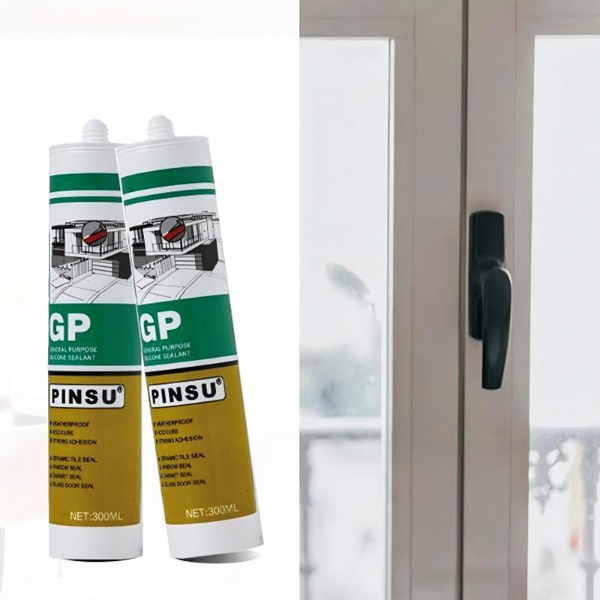
Neutral silicone sealant is better for general-purpose applications, especially where adhesion to non-porous materials, odor sensitivity, or corrosion resistance matters. Acetic silicone sealant (also known as acetoxy cure) excels only in very specific scenarios: bonding to glass, ceramics, or other smooth, non-reactive surfaces where fast skin formation is desired. For everything else—metals, plastics, painted surfaces, electronics, and indoor living spaces—neutral cure is the safer, more versatile, and longer-lasting choice.
What Is Acetic Silicone Sealant?
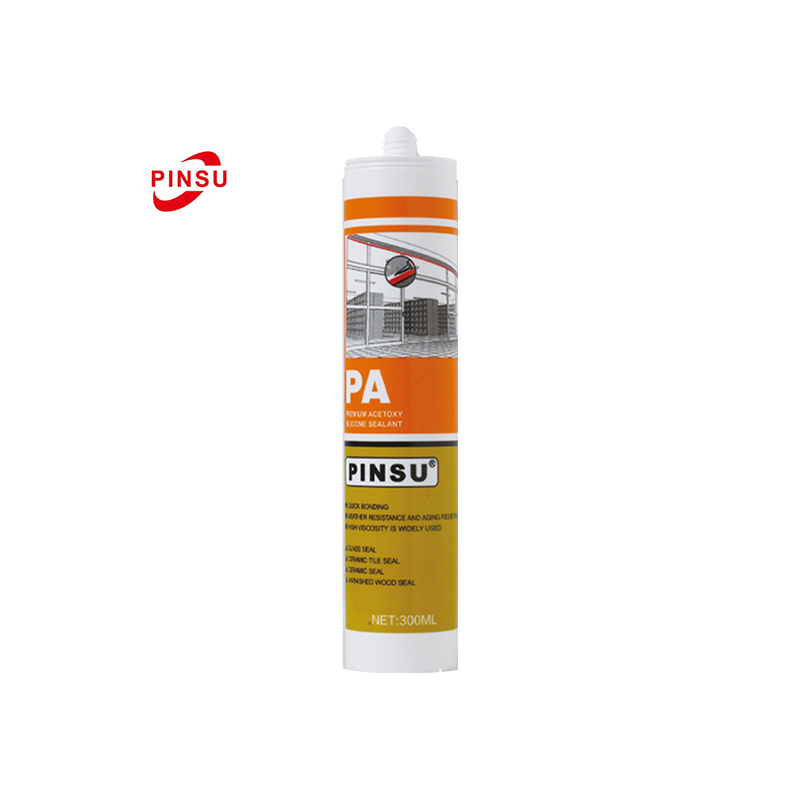
Acetic silicone sealant releases acetic acid during curing (the same vinegar-like smell). This cure type is fast and forms a strong bond on clean, non-porous surfaces. Typical applications include aquarium assembly, glass showers, and window glazing where the sealant remains exposed to moisture but not to metals or sensitive substrates.
Key Characteristics of Acetic Cure
- Fast skin-over time: Usually 5–15 minutes.
- Strong adhesion to glass and ceramics: Excellent for non-porous smooth surfaces.
- Corrosive to metals: The released acetic acid can corrode copper, brass, aluminum, and zinc.
- Sharp odor: Not suitable for poorly ventilated indoor spaces.
- Limited flexibility: Generally lower movement capability compared to high-quality neutrals.
What Is Neutral Silicone Sealant?
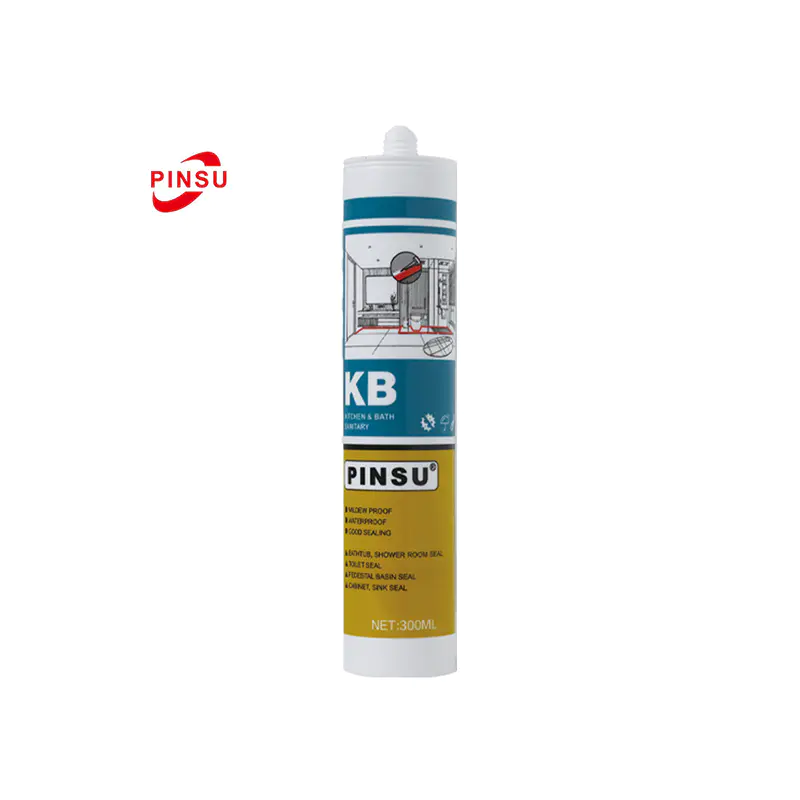
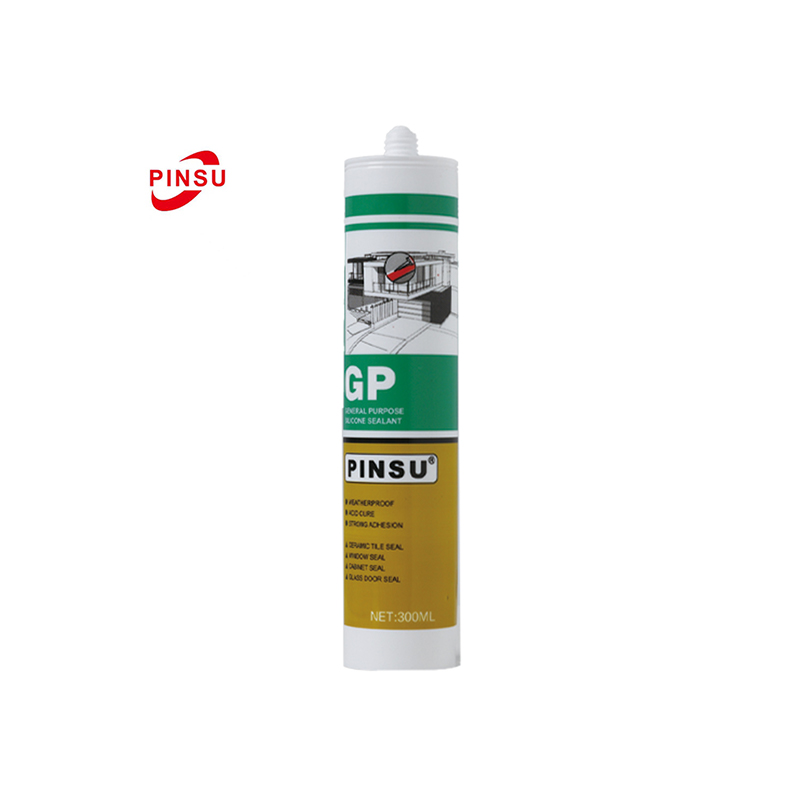
Neutral silicone sealant cures via an oxime or alkoxy crosslinking mechanism, releasing alcohols or other neutral byproducts (little to no smell). It is non-corrosive, adheres to a much wider range of materials, and offers weather resistance. It is the industry standard for construction, automotive, marine, and general industrial sealing.
Key Characteristics of Neutral Cure
- Non-corrosive: Safe for metals, electronics, and painted surfaces.
- Low odor / odorless: Suitable for indoor and occupied spaces.
- Wide material compatibility: Adheres to plastics, composites, wood, concrete, and stone.
- Higher movement capability: Many neutral silicones offer ±25% to ±50% joint movement.
- Longer tooling time: Typically 20–40 minutes, allowing adjustments.
Critical Differences: Data & Practical Comparison
The following table summarizes the quantifiable and performance-based distinctions to help you choose correctly.
| Property | Acetic Silicone Sealant | Neutral Silicone Sealant |
|---|---|---|
| Cure byproduct | Acetic acid (pH ≈ 2-3) | Alcohols or oximes (pH ≈ 6-8) |
| Odor intensity | Strong vinegar smell | Mild to none |
| Metal corrosion risk | High risk (especially copper, aluminum) | No risk (safe for all metals) |
| Typical skin formation | 5–15 minutes | 20–40 minutes |
| UV & weather resistance | Good (but yellows over time) | Excellent (10+ years outdoor life) |
| Maximum joint movement | Typically ±15% to ±20% | ±25% to ±50% |
| Best for glass/ceramics | Excellent | Very good (requires primer in some cases) |
When to Use Acetic Silicone Sealant (And When to Avoid It)
Use acetic silicone sealant when:
- Sealing glass aquariums or terrariums (fast cure and glass adhesion are critical).
- Glazing non-metallic window frames (e.g., wood or uPVC – but only if no metal contacts).
- Bonding ceramics or porcelain where no corrosion concern exists.
- Temporary or workshop jigs where fast handling is prioritized over durability.
Avoid acetic sealant on:
- Any metal surface – corrosion appears within 24–72 hours in humid conditions.
- Plastics (especially polycarbonate, acrylic, ABS) – acid attack causes cracking.
- Electrical components or PCB sealing – acetic acid creates conductive paths.
- Enclosed indoor spaces without ventilation – the acid vapor damages electronics and irritates lungs.
Why Neutral Silicone Sealant Is the Superior Choice for 90% of Users
For general contractors, DIYers, and industrial users, neutral silicone sealant provides broader compatibility, longer service life, and zero corrosion risk. Here are three evidence-based reasons:
1. No Material Degradation
Independent weathering tests (e.g., ISO 11431) show neutral silicones maintain adhesion on aluminum, stainless steel, and coated surfaces for over 5,000 hours of salt spray without underfilm corrosion. Acetic sealants fail within 300 hours on bare aluminum.
2. Higher Elasticity for Dynamic Joints
Movement capability is measured by ISO 11600. Neutral silicones achieve class 25 or 50 (25–50% movement), while acetic products barely meet class 12.5. For building expansion joints, curtain walls, or vehicle sealing, neutral is mandatory.
3. Health and Safety in Occupied Spaces
Acetic acid vapor can cause respiratory irritation and, in confined spaces, exceed workplace exposure limits (TLV for acetic acid is 10 ppm). Neutral sealants emit no hazardous acidic byproducts, making them safe for schools, hospitals, and RVs.
Practical Guidance: How to Select the Right Sealant
Follow this decision flowchart to avoid common failures:
- Step 1 – Identify the substrate: Is it metal, plastic, painted surface, or electronic? → Neutral only. Is it glass or ceramic only? → Acetic possible, but neutral still works.
- Step 2 – Indoor vs. outdoor: Outdoor or high UV → Neutral required (acetic degrades faster). Indoor, non-ventilated → Neutral required for health.
- Step 3 – Need for speed: If you need a 10-minute skin formation and the joint is non-critical and non-metal, acetic may be acceptable. Otherwise, choose a fast-skin neutral formula (many exist with 15–20 min skin time).
Data point: In a 2022 comparative adhesion study on 8 substrates (glass, aluminum, uPVC, polycarbonate, stainless steel, painted steel, ceramic, concrete), neutral silicone achieved ≥90% cohesive failure on all except polycarbonate (75% after primer). Acetic silicone failed on aluminum, polycarbonate, and painted steel with <30% adhesion retention after 500h humid aging.
Final Verdict: Neutral Silicone Sealant Is the Recommended Default
Unless you are exclusively sealing bare glass-to-glass or glass-to-ceramic in a dry, metal-free environment, neutral silicone sealant outperforms acetic sealant in durability, safety, and material compatibility. The only clear advantage of acetic sealant is slightly faster initial skinning, but that rarely justifies the risk of corrosion or adhesion failure. For long-term, professional, and trouble-free results: always choose neutral cure silicone.

 TOP
TOP