
 ENG
ENG
 English
 中文简体
中文简体 русский
 Español
 عربى
عربى
In the rapidly evolving landscape of industrial manufacturing and automotive maintenance, the demand for reliable, high-performance sealing solutions has never been greater. Modern machinery and vehicles operate under increasingly strenuous conditions, requiring components that can withstand temperatures, intense pressures, and aggressive chemical exposures. Among the vast array of sealing options available on the market today, Room Temperature Vulcanizing (RTV) sealants have emerged as a premier choice for professionals seeking long-lasting and robust performance. Understanding the distinct advantages of these specialized compounds over traditional alternatives is essential for optimizing mechanical reliability and operational efficiency.
Understanding the Mechanism of RTV Sealants
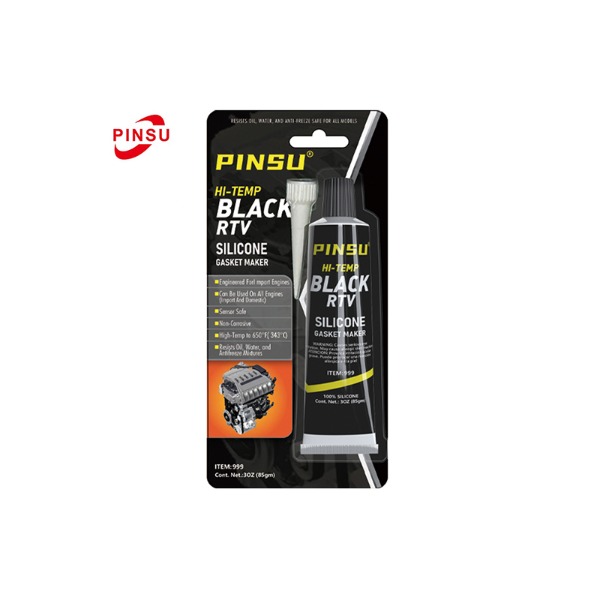
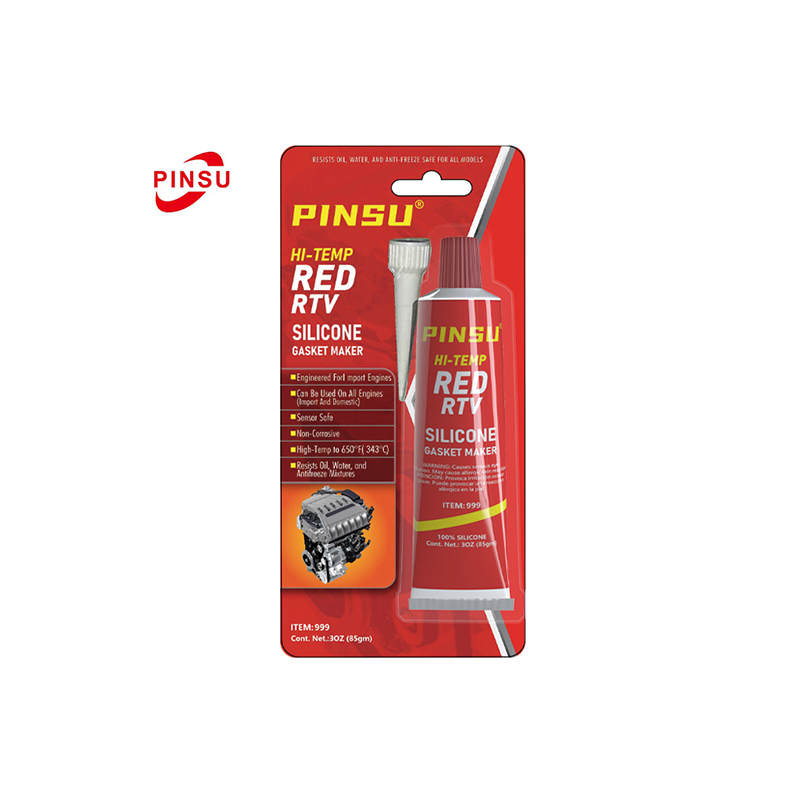
To appreciate the benefits of RTV formulations, it is necessary to understand how they function. Unlike traditional mechanical gaskets or solvent-based sealants that rely on evaporation to cure, an RTV silicone gasket maker cures by reacting with moisture in the ambient air. This chemical process transforms the liquid or paste-like substance into a tough, elastomeric rubber seal.
Because the curing process occurs at room temperature, it eliminates the need for specialized heating equipment or prolonged baking cycles. This makes the application process significantly more efficient, reducing downtime during critical repairs or assembly line operations. The resulting seal is inherently flexible, conforming perfectly to the micro-microscopic imperfections of mating surfaces.
Superior Thermal Stability and Resistance
One of the primary reasons engineers and technicians favor automotive RTV sealant options over conventional materials is their exceptional thermal stability. Traditional rubber, cork, or paper gaskets often degrade, brittle, or shrink when exposed to continuous thermal cycling. In contrast, RTV chemistry allows the material to maintain its structural integrity and elasticity across a remarkably broad temperature spectrum.
Many specialized formulations can withstand continuous operating temperatures ranging from well below freezing to over three hundred degrees Celsius. This resilience prevents premature seal failure in high-heat environments, such as those found near internal combustion engines, exhaust systems, and industrial furnaces. By resisting thermal degradation, these sealants ensure that joints remain tightly sealed even when components expand and contract due to temperature fluctuations.
Exceptional Flexibility and Vibration Dampening
Mechanical assemblies are rarely static. Industrial equipment and vehicular components are subject to constant vibrations, structural shifts, and operational shocks. Traditional hard-setting sealants or rigid gaskets can crack or delaminate under these dynamic stresses, causing immediate fluid or gas leaks.
An RTV gasket sealant offers a distinct advantage due to its high elongation and tensile strength. Once fully cured, the elastomeric nature of the silicone allows the joint to flex and absorb kinetic energy without tearing or losing adhesion to the substrate. This vibration-dampening capability not only preserves the seal itself but also helps protect the surrounding mechanical components from excessive wear and tear caused by friction and harmonic resonance.
Chemical and Environmental Resilience
Industrial and automotive environments frequently expose sealed joints to a variety of harsh fluids, including lubricating oils, coolants, transmission fluids, and various environmental contaminants like moisture and ozone. Standard sealing materials often swell, dissolve, or break down chemically when they come into contact with these substances.
RTV formulations are engineered with highly stable polymer backbones that resist chemical attack. They form an impermeable barrier that prevents fluids from seeping through the joint. Furthermore, their inherent resistance to ultraviolet radiation and weather extremes makes them equally suitable for outdoor applications where exposure to the elements would cause lesser materials to dry out and crack.
Comparison of Sealant Characteristics
To better understand how RTV technology compares to other common sealing methods, the following table outlines key performance metrics across different material categories:
| Sealant/Gasket Type | Temperature Resistance | Elasticity & Flexibility | Gap Filling Capability | Chemical Resistance |
|---|---|---|---|---|
| RTV Silicone | Exceptional (High & Low) | Superior | Excellent | High (Oils, Coolants) |
| Solvent-Based | Moderate to Low | Low (Becomes Brittle) | Poor | Moderate |
| Traditional Cork/Paper | Limited | Poor | Requires Flat Surfaces | Low (Absorbs Fluids) |
| Anaerobic Resins | Moderate | Low (Rigid Bond) | Limited to Small Gaps | High (Solvents, Fuels) |
Versatility in Gap Filling and Surface Adhesion
Traditional pre-cut gaskets require a match with the mating surfaces. If a component is slightly warped, pitted, or scratched, a mechanical gasket may fail to seal the imperfections properly. This often necessitates costly machining to restore surface flatness.
Using an RTV silicone gasket maker solves this issue entirely. As a paste, the material can fill large gaps and conform to irregular contours, uneven surfaces, and rough machined finishes. This creates a custom-fit seal every time, regardless of the complexity of the joint geometry. Furthermore, RTV compounds exhibit unprimed adhesion to a wide variety of substrates, including aluminum, iron, steel, glass, and many plastics, making them an incredibly versatile tool across multiple industries.
Cost-Efficiency and Inventory Reduction
From an operational and logistical standpoint, relying on form-in-place sealants provides substantial economic benefits. Maintaining an inventory of pre-cut mechanical gaskets for every specific make, model, or machinery type requires significant warehouse space and capital investment.
Because an automotive RTV sealant can be applied to virtually any shape or size of joint, a single tube or cartridge can replace dozens of specific pre-cut gasket part numbers. This streamlines supply chain management, reduces waste from obsolete inventory, and ensures that maintenance personnel always have the correct sealing solution on hand, thereby avoiding costly delays during unexpected equipment failures.
Conclusion
The transition from traditional mechanical gaskets and rigid sealants toward flexible RTV alternatives represents a significant advancement in sealing technology. By offering unmatched thermal stability, exceptional flexibility, robust chemical resistance, and the unique ability to conform to irregular surfaces, these compounds provide a reliable defense against leaks in the demanding environments. For industries looking to maximize equipment uptime, minimize maintenance costs, and ensure long-term operational integrity, incorporating advanced RTV sealing solutions remains a highly effective strategy.

 TOP
TOP