UV waterproof and weather resistant PINSU-NS neutral silicone sealant Industry Knowledge
What Is Neutral Silicone Sealant and Why Is It Essential for Modern Sealing Applications?
What Is Neutral Silicone Sealant?
Neutral silicone sealant is a one-component sealant that cures through a moisture reaction without releasing any acidic by-products, making it suitable for a variety of sensitive surfaces. Unlike acidic silicone sealants, which can corrode metals and other materials, neutral silicone sealants maintain a neutral pH, ensuring they can be used in a wider range of applications. These sealants are primarily used for bonding, sealing, and waterproofing, offering superior resistance to weathering, UV radiation, and temperature extremes.
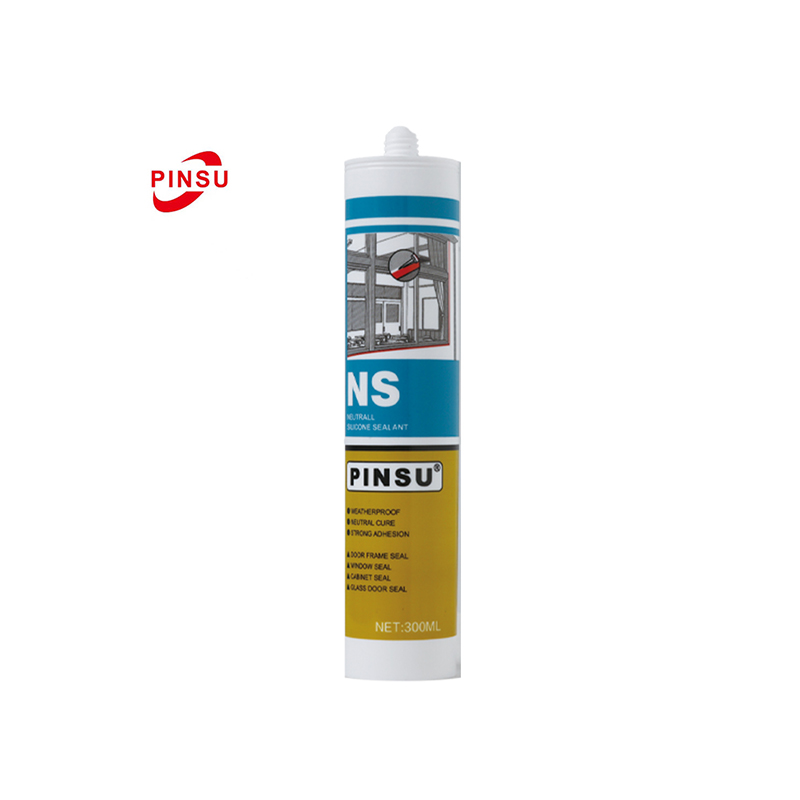
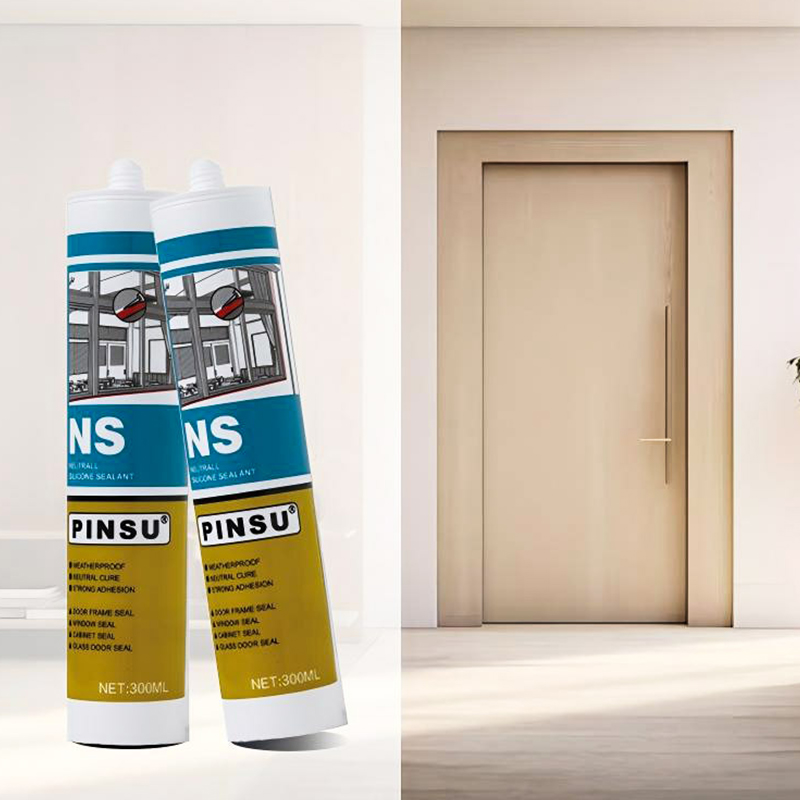
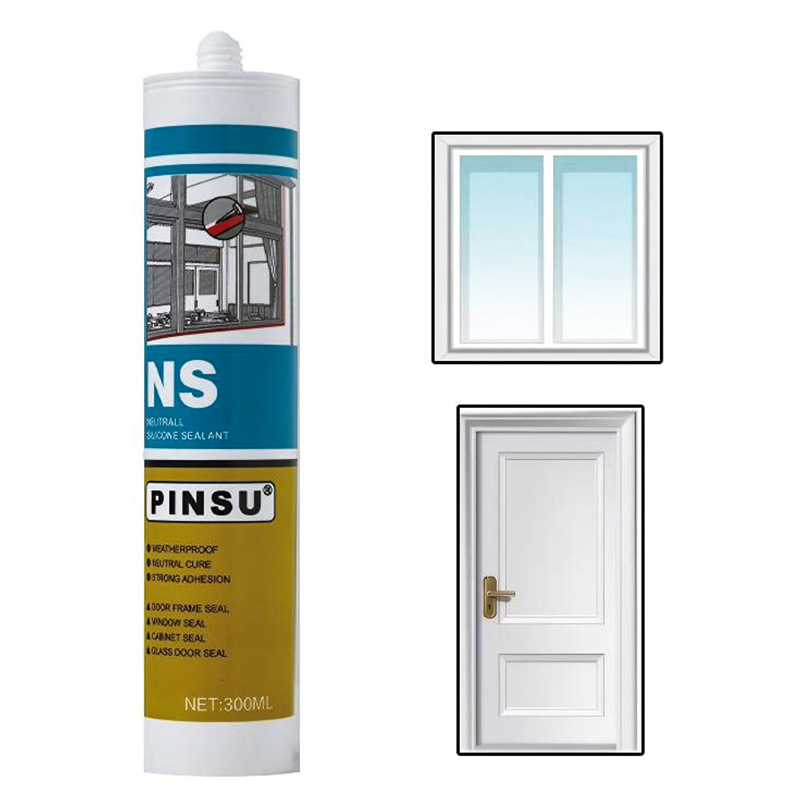
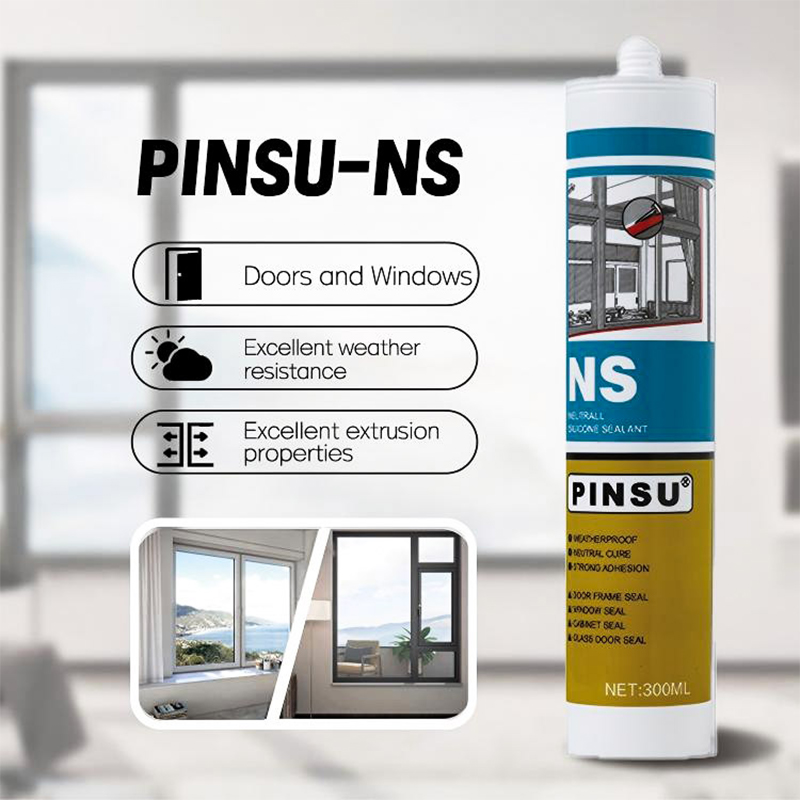
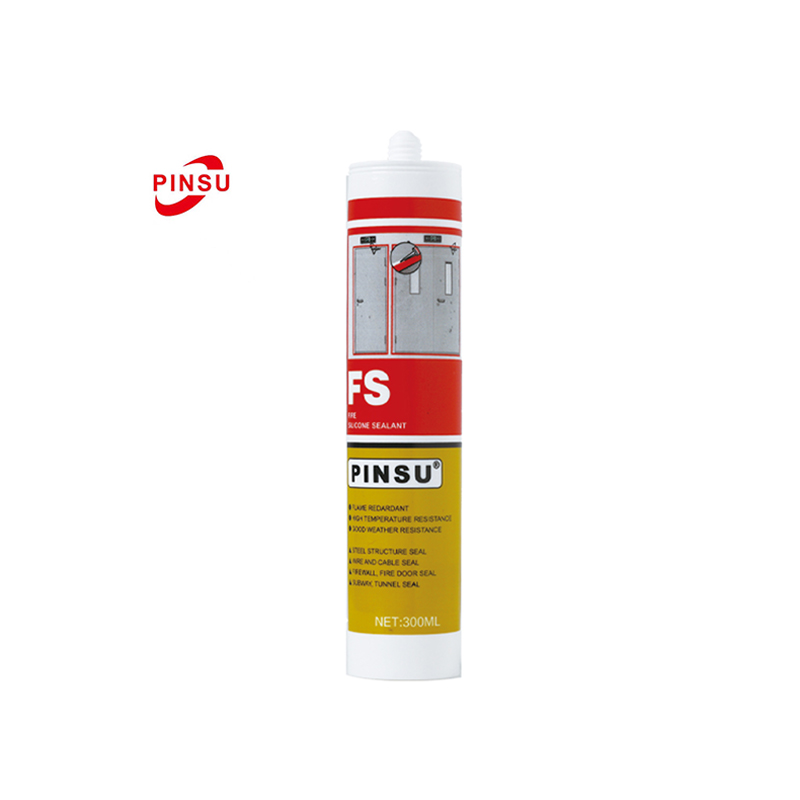
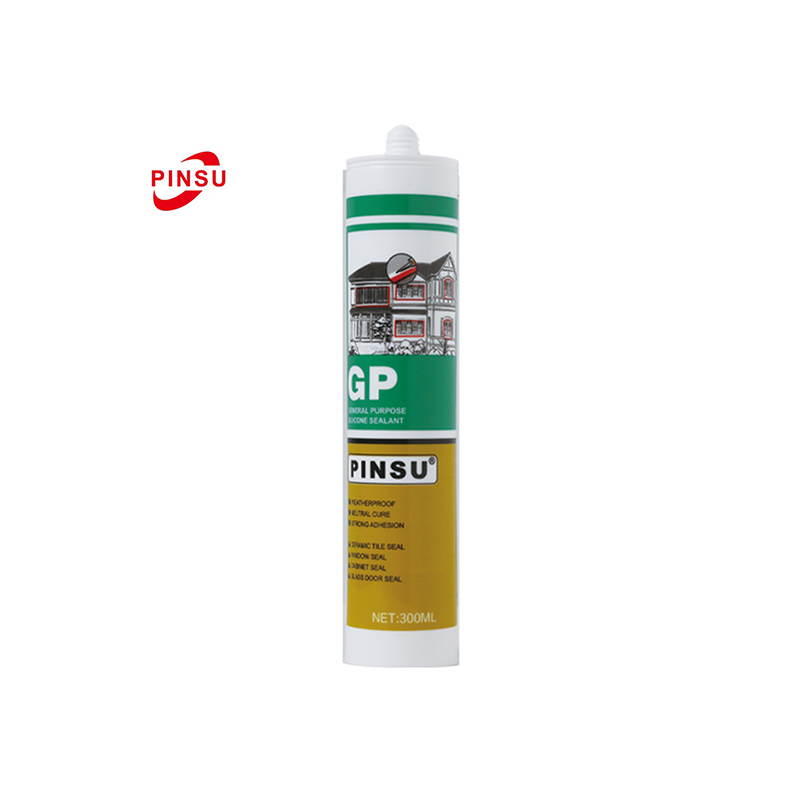
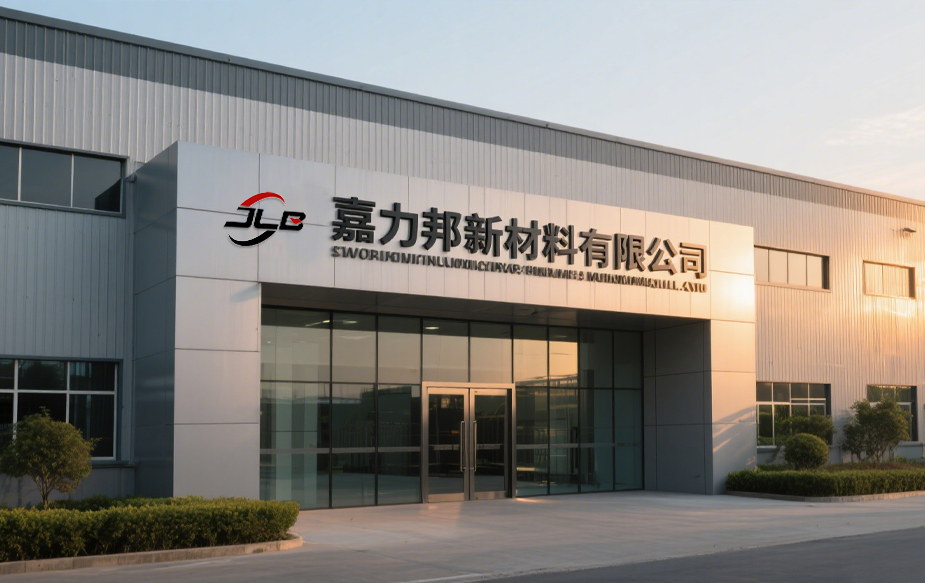
Neutral silicone sealants are made using high-quality raw materials and are formulated to provide exceptional elasticity and adhesion. Hangzhou Jialibang New Materials Co., Ltd. produces the high-performance UV-resistant, weather-resistant, neutral silicone sealant PINSU-NS, which is designed for demanding applications such as sealing and bonding of building doors, windows, curtain walls, and metal profiles. This sealant offers long-lasting protection against UV rays, rain, and temperature fluctuations, while maintaining excellent performance over time.
Key Features of Neutral Silicone Sealant
-
Neutral Curing Mechanism
One of the defining characteristics of neutral silicone sealant is its curing mechanism. Unlike acidic silicones, which can release corrosive by-products during curing, neutral sealants release only moisture, making them safe to use on a wider range of materials, including sensitive substrates like metals, glass, and plastics.
-
High Elasticity and Flexibility
Neutral silicone sealants feature low modulus and high elasticity, which means they can stretch and compress without losing their ability to seal effectively. This characteristic is essential in applications where joint displacement occurs, such as in window frames or structural joints in buildings.
-
Excellent Adhesion
These sealants offer exceptional adhesion to a variety of substrates, including glass, metal, and plastics. The bond remains strong even under challenging environmental conditions, ensuring long-term reliability.
-
UV and Weather Resistance
Neutral silicone sealants are resistant to the damaging effects of UV radiation, preventing degradation, cracking, or discoloration over time. They are also highly resistant to rain and extreme temperatures, making them ideal for outdoor applications.
-
Non-corrosive
Unlike acidic sealants, which can corrode metals and degrade building materials, neutral silicone sealants are non-corrosive. This makes them suitable for use in metal bonding applications, ensuring that the sealant does not react with the materials it comes into contact with.
-
Long-lasting Performance
The high-quality materials used in neutral silicone sealants ensure they provide long-lasting and reliable sealing protection. Whether used in construction or automotive applications, these sealants are designed to withstand environmental stressors over time.
Applications of Neutral Silicone Sealant
1. Building and Construction Industry
Neutral silicone sealants are widely used in the construction industry for sealing windows, doors, and curtain walls. Their high elasticity and ability to withstand temperature fluctuations make them the perfect choice for sealing joints in structures exposed to the elements. PINSU-NS neutral silicone sealant, manufactured by Hangzhou Jialibang New Materials Co., Ltd., offers excellent weather resistance, making it ideal for outdoor applications.
| Application |
Materials |
Features |
Benefits |
| Window Sealing |
Glass, aluminum, PVC |
High adhesion, flexibility |
Excellent sealing under stress |
| Door Sealing |
Wood, metal, glass |
UV resistance, non-corrosive |
Long-lasting, no damage to materials |
| Curtain Wall Sealing |
Metal profiles, glass |
Weather resistance, high elasticity |
Protects against rain, wind, UV damage |
| Roofing and Facades |
Various metals, concrete |
UV and weather resistant |
Prevents leaks, increases durability |
2. Automotive Industry
Neutral silicone sealants are essential for automotive applications, including sealing windshields, sunroofs, and body panels. They provide an airtight and waterproof seal while maintaining flexibility to accommodate the expansion and contraction of materials due to temperature changes.
3. Electronics and Appliances
These sealants are used in the electronics industry for applications like sealing electronic enclosures, preventing moisture ingress, and ensuring that devices remain operational even in harsh environments. Neutral silicone sealants protect sensitive electronic components from dust, water, and heat.
4. Marine Applications
Neutral silicone sealants are also used in the marine industry to seal boat windows, hulls, and other exposed areas to water. Their resistance to saltwater and UV radiation makes them ideal for use in boats and ships, where exposure to harsh weather conditions is a concern.
Advantages of Neutral Silicone Sealants Over Other Types
-
Chemical Resistance: Neutral silicone sealants are resistant to a wide range of chemicals, including oils, solvents, and detergents. This makes them ideal for applications in environments where exposure to harsh chemicals is a concern.
-
Better Compatibility with Sensitive Materials: Neutral silicone sealants are much safer to use with sensitive materials such as metals, plastics, and painted surfaces. The lack of acidic by-products reduces the risk of damage to materials that would otherwise be corroded by acidic sealants.
-
UV Stability: Neutral silicone sealants have a high resistance to UV radiation, preventing degradation due to prolonged exposure to sunlight. This ensures that they remain effective over time, even in outdoor applications.
-
Wide Temperature Range: These sealants perform well in both extreme heat and cold, making them suitable for a variety of environments, from freezing temperatures to high-heat conditions.
Innovations in Neutral Silicone Sealants
At Hangzhou Jialibang New Materials Co., Ltd., innovation plays a crucial role in the development of neutral silicone sealants. The company is continuously investing in research and development to create high-performance, application-specific solutions. Their labs are equipped to perform extensive testing, from UV and thermal aging tests to rapid prototyping. This focus on innovation ensures that their neutral silicone sealants meet the evolving needs of global industries.
The company also emphasizes sustainability, developing low-emission materials and reducing manufacturing waste to ensure that their products meet global environmental certifications like RoHS, REACH, and LEED.
FAQ
Q1: What is the difference between neutral silicone sealants and acidic silicone sealants?
Neutral silicone sealants cure without releasing any acidic by-products, making them safer for use on metals and other sensitive materials. In contrast, acidic sealants can corrode certain materials, limiting their applications.
Q2: Can neutral silicone sealants be used in extreme temperatures?
Yes, neutral silicone sealants are designed to perform in a wide range of temperatures, from extreme cold to high heat, making them suitable for a variety of applications in harsh environments.
Q3: How long does a neutral silicone sealant last?
Neutral silicone sealants are highly durable and long-lasting, typically offering reliable performance for many years, even under challenging environmental conditions like UV exposure and temperature fluctuations.
Q4: Are neutral silicone sealants environmentally friendly?
Many neutral silicone sealants are designed with sustainability in mind, using low-emission materials and adhering to environmental standards like RoHS, REACH, and LEED.
Q5: What are the primary applications of neutral silicone sealants?
Neutral silicone sealants are used in various industries, including construction (window and door sealing), automotive (windshield and body sealing), electronics (moisture and dust protection), and marine (waterproofing). They are valued for their flexibility, UV resistance, and ability to bond with multiple materials.

 ENG
ENG
 English
 中文简体
中文简体 русский
 Español
 عربى
عربى

 TOP
TOP