
 ENG
ENG
 English
 中文简体
中文简体 русский
 Español
 عربى
عربى
Cooling systems are among the most unforgiving environments for any sealant. They combine elevated temperatures, constant thermal cycling, pressurized fluid, and a variety of metals and plastics. When a leak develops at a thermostat housing, water pump flange, or radiator hose connection, many technicians reach for a tube of RTV silicone. But is that actually a good idea? The answer is not a simple yes or no. RTV silicone can be used on a coolant system, but only when the right formulation is selected, the surfaces are prepared correctly, and the application method respects the unique chemistry of both the silicone and the coolant. This article examines the technical realities behind RTV silicone in cooling systems, explains when it works, when it fails, and how to apply it properly.
What Is RTV Silicone and How Does It Work in Cooling Systems?
RTV stands for room-temperature vulcanizing. Unlike high-temperature silicone that requires heat to cure, RTV silicone cures at ambient conditions when it is exposed to moisture in the air. The curing process transforms a paste-like sealant into a rubbery, flexible solid that adheres to many substrates, including metal, glass, ceramic, and some plastics. Because of this flexibility and temperature resistance, RTV silicone is widely used in automotive and industrial maintenance. However, not all RTV silicones are the same. Their chemical makeup determines how they behave in contact with coolant, heat, and pressure.
The Chemistry of Room-Temperature Vulcanizing Silicone
Most RTV silicones are built on a polydimethylsiloxane backbone. The curing mechanism depends on the crosslinker used. Acetoxy-based RTV silicones release acetic acid as a byproduct during cure. This gives them a distinctive vinegar-like smell and makes them suitable for many general sealing tasks. However, the released acid can corrode certain metals, particularly aluminum and copper, which are common in radiators, heater cores, and engine blocks. Oxime-based and alkoxy-based RTV silicones release neutral byproducts, such as methyl ethyl ketoxime or alcohol, and are therefore less corrosive. For cooling systems, a neutral-cure RTV silicone is almost always the safer choice.
Why Cooling Systems Are a Demanding Environment
A typical automotive cooling system operates between 80 degrees Celsius and 110 degrees Celsius under normal conditions, with brief spikes that can exceed 120 degrees Celsius. Pressure ranges from 10 to 20 pounds per square inch in many passenger vehicles, and higher in performance or heavy-duty applications. The coolant itself is usually a mixture of ethylene glycol or propylene glycol and water, with corrosion inhibitors and other additives. These conditions place severe demands on any sealant. The sealant must remain flexible, resist extrusion, and maintain adhesion to both metal and rubber surfaces. It must also resist chemical attack from the coolant and avoid releasing substances that could damage the cooling system.
Can RTV Silicone Be Used on a Coolant System? The Direct Answer
Yes, RTV silicone can be used on a coolant system, but with important qualifications. A properly selected neutral-cure RTV silicone that is rated for high temperature and coolant exposure can seal flanges, gasket surfaces, and threaded fittings. However, using the wrong type of RTV, such as a standard acetoxy silicone, or applying it incorrectly can lead to leaks, clogged passages, and corrosion. The key is to match the silicone to the application and to follow best practices.
Compatibility with Common Coolants
Once fully cured, most high-quality RTV silicones are resistant to ethylene glycol and propylene glycol solutions. They do not dissolve or degrade rapidly when exposed to coolant. However, uncured silicone is another story. If coolant comes into contact with wet RTV silicone before it has cured, the coolant can wash away the sealant or prevent proper adhesion. This is why it is critical to let the RTV cure completely before refilling the cooling system. Some coolants contain additives that may affect certain silicone formulations over long periods. For this reason, using a silicone that is explicitly designed for automotive cooling systems is recommended.
Temperature and Pressure Considerations
Standard RTV silicones often have a continuous temperature range up to 200 degrees Celsius, with short-term peaks higher. That is more than enough for most cooling systems. Pressure resistance depends on the joint design and the thickness of the silicone layer. RTV silicone is not a structural adhesive. It works best as a thin, uniform gasket dressing or formed-in-place gasket. In high-pressure areas, such as the water pump outlet or a pressurized expansion tank connection, a thick bead of RTV can be extruded under pressure, leading to leaks. Always check the manufacturer's temperature and pressure ratings before use.
When RTV Silicone Is the Right Choice for Coolant Repairs
There are specific situations where RTV silicone is an appropriate and effective solution for cooling system sealing. Understanding these scenarios helps technicians make informed decisions.
Gasket Dressing and Flange Sealing
RTV silicone is commonly used as a gasket dressing on thermostat housings, water pump flanges, and coolant pipe connections. When applied correctly, it fills minor imperfections in the mating surfaces and creates a flexible seal that can accommodate thermal expansion and vibration. It is especially useful when a paper gasket is difficult to source or when the original gasket has minor surface damage. In these cases, a thin film of neutral-cure RTV on both sides of the gasket can improve sealing without introducing excess material into the cooling system.
Emergency Repairs and Temporary Fixes
In roadside emergencies, a tube of RTV silicone can provide a temporary fix for a leaking hose or a cracked plastic fitting. However, such repairs are not permanent. The silicone may not cure properly if the surface is contaminated with coolant, and it may fail under continued heat and pressure. Emergency repairs should be replaced with a proper gasket or component as soon as possible. RTV silicone is not a substitute for a failed gasket, a warped flange, or a cracked housing.
When You Should Avoid RTV Silicone in Cooling Systems
Despite its versatility, there are situations where RTV silicone can do more harm than good. Recognizing these cases is essential for reliable cooling system performance.
O-Rings and Rubber Seals
Many cooling system connections use O-rings or molded rubber seals. These seals are designed to compress and create a precise seal. Applying RTV silicone to an O-ring can cause the O-ring to slip out of position during assembly. It can also introduce a layer of silicone that prevents the O-ring from seating properly, leading to leaks. In addition, the acetic acid released by some RTV silicones can degrade certain rubber compounds over time. For O-ring joints, use the recommended lubricant or replace the O-ring rather than adding RTV.
High-Flow or High-Pressure Zones
Locations with high coolant flow or high pressure, such as the water pump inlet, radiator outlet, or bypass passages, are poor candidates for RTV silicone. A thick bead can break off and travel through the cooling system, clogging the radiator core, heater core, or thermostat. Even a small piece of cured silicone can restrict flow and cause overheating. In these zones, use the correct molded gasket or formed-in-place gasket specifically designed for the application.
Systems with Specific Coolant Chemistry
Some coolants, particularly those with organic acid technology or specific additive packages, may interact with certain silicone formulations. While fully cured silicone is generally chemically resistant, prolonged exposure at high temperatures can cause swelling or softening in some low-quality products. If the cooling system requires a specific coolant type, verify that the RTV silicone is compatible. When in doubt, choose a silicone that is explicitly rated for coolant and high-temperature service.
How to Apply RTV Silicone Correctly on a Coolant System
Proper application is just as important as product selection. Follow these steps to achieve a reliable seal and avoid common pitfalls.
- Clean and dry the surfaces: Remove all traces of old gasket, coolant, oil, and dirt. Use a lint-free cloth and a suitable cleaner. The surface must be completely dry before applying RTV.
- Choose the right RTV: Use a neutral-cure, high-temperature RTV silicone that is rated for coolant exposure. Avoid acetoxy silicones for aluminum or electronic components.
- Apply a thin, uniform bead: For a formed-in-place gasket, apply a continuous bead of 2 to 3 millimeters in diameter around the sealing surface. Avoid excessive amounts, which can squeeze into the cooling system.
- Assemble promptly: Mate the parts within the working time specified by the manufacturer, usually 10 to 20 minutes. Do not allow the silicone to skin over before assembly.
- Tighten to specification: Use a torque wrench and follow the manufacturer's torque sequence and values. Over-tightening can squeeze out the silicone or distort the flange.
- Allow full cure before adding coolant: Wait at least 24 hours at room temperature, or longer in cold conditions, before refilling the cooling system. This allows the silicone to cure fully and develop its maximum adhesion and chemical resistance.
The following table summarizes key do's and don'ts for using RTV silicone in cooling systems.
| Do | Don't |
|---|---|
| Use neutral-cure RTV rated for high temperature and coolant. | Use acetoxy RTV on aluminum or copper components. |
| Apply a thin, uniform bead. | Apply a thick bead that can break off and clog passages. |
| Clean and dry surfaces completely. | Apply RTV over old gasket material or wet surfaces. |
| Allow full cure before adding coolant. | Start the engine immediately after assembly. |
| Use RTV as a gasket dressing or formed-in-place gasket. | Use RTV on O-rings or high-pressure joints. |
To visualize the correct sequence, refer to the flow diagram below.
Choosing the Right RTV Silicone for Coolant Applications
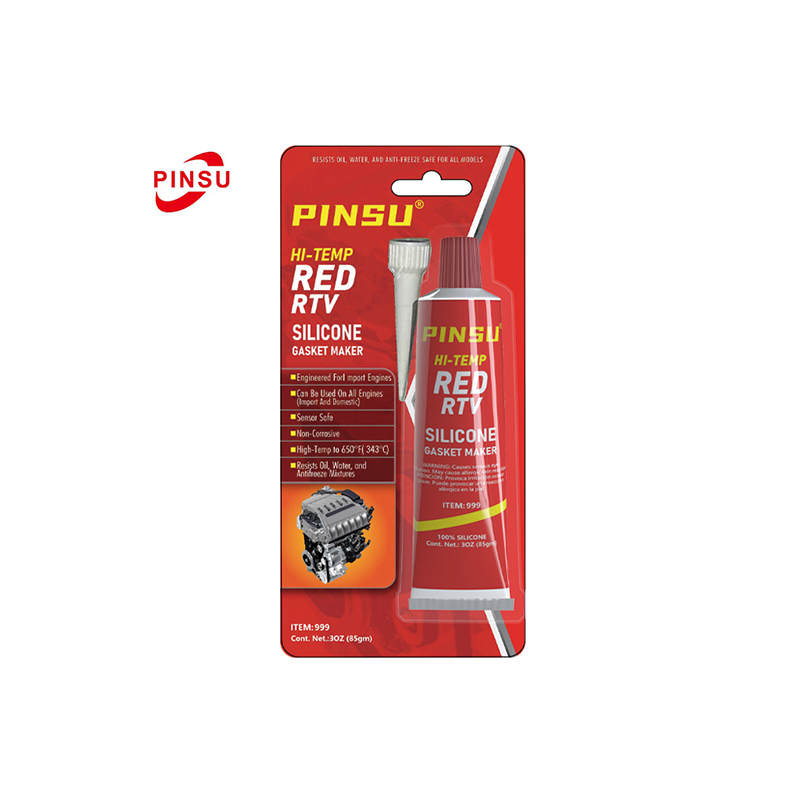
Not all RTV silicones are created equal. For cooling systems, look for a product that combines neutral curing, high-temperature resistance, and coolant compatibility. A high-temperature RTV silicone gasket seal, such as those designed for automotive and industrial use, can provide reliable performance when applied correctly. These products typically resist temperatures up to 300 degrees Celsius intermittently and maintain flexibility under thermal cycling. They are also formulated to resist oil, coolant, and other automotive fluids.
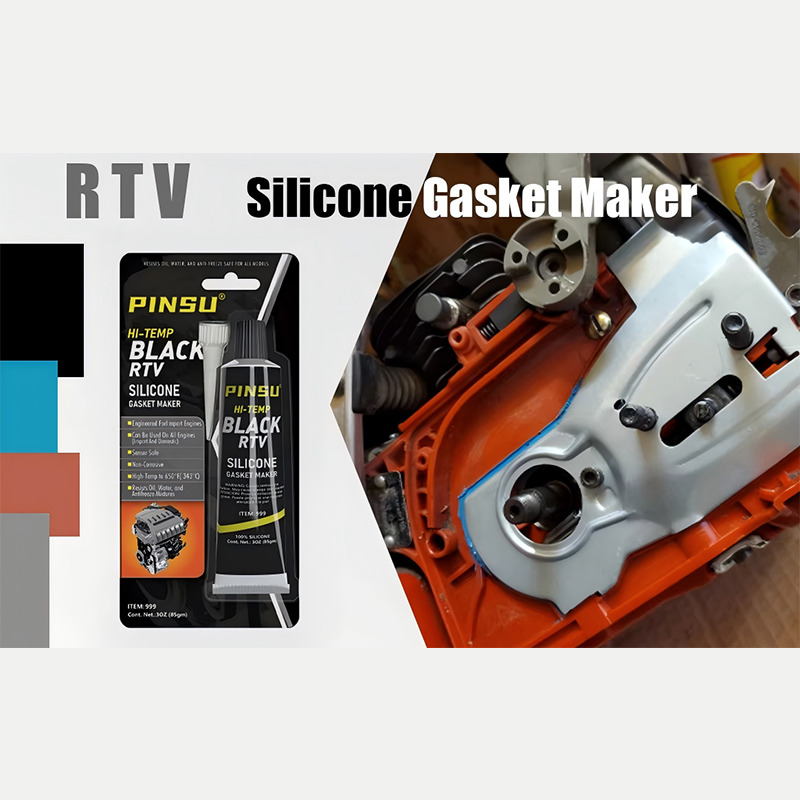 PINSU High-Temperature RTV Silicone Gasket Seal for Automotive and Industrial SealingA one-component RTV silicone gasket sealant for automotive and industrial assemblies, offering high-temperature resistance, oil resistance, elasticity, and sensor-safe, non-corrosive sealing.View Product →
When selecting a sealant, review the technical data sheet for cure time, temperature range, and chemical resistance. For further guidance on product selection, consult this industrial RTV silicone sealant selection guide. It covers factors such as cure chemistry, substrate compatibility, and application methods. Choosing the right product reduces the risk of leaks and ensures long-term reliability.
Common Mistakes and How to Avoid Them
Even experienced technicians can make mistakes when using RTV silicone on cooling systems. Being aware of these pitfalls helps prevent repeat repairs and cooling system damage.
- Using too much silicone: Excess silicone can squeeze into the cooling system, break off, and clog the radiator or heater core. Always use a thin, uniform bead.
- Skipping surface preparation: RTV silicone will not adhere to dirty, oily, or wet surfaces. Clean and dry all mating surfaces thoroughly.
- Not allowing enough cure time: Refilling the cooling system too soon can wash away uncured silicone. Wait at least 24 hours before adding coolant.
- Using the wrong cure chemistry: Acetoxy silicones can corrode aluminum and copper. Choose a neutral-cure or oxime-cure product for cooling systems.
- Applying RTV to O-rings: O-rings should be lubricated with the recommended product, not coated with RTV. RTV can cause the O-ring to slip or degrade.
- Ignoring torque specifications: Over-tightening can squeeze out the silicone or distort the flange. Always use a torque wrench and follow the manufacturer's sequence.
By avoiding these common errors, you can use RTV silicone effectively in coolant systems and reduce the likelihood of comebacks or leaks.
Frequently Asked Questions
Q1: Can I use any RTV silicone on my coolant system?
No. You should use a neutral-cure RTV silicone that is rated for high temperature and coolant exposure. Standard acetoxy silicones can release acetic acid, which may corrode aluminum and copper components. Always check the product specifications before use.
Q2: How long should RTV silicone cure before adding coolant?
Allow at least 24 hours at room temperature for full cure. In colder conditions, extend the cure time. If coolant contacts uncured silicone, it can wash away the sealant and prevent proper sealing.
Q3: Can RTV silicone be used on a radiator hose?
RTV silicone can be used as a temporary emergency repair on a radiator hose, but it is not a permanent solution. The hose and clamp are designed to seal without sealant. For a lasting repair, replace the hose or use the correct clamp and fitting.
Q4: Will RTV silicone clog my radiator or heater core?
Excess uncured or partially cured silicone can break off and travel through the cooling system, potentially clogging the radiator, heater core, or thermostat. Always apply a thin bead and allow full cure before adding coolant to minimize this risk.
Q5: Is RTV silicone resistant to ethylene glycol coolant?
Once fully cured, most high-quality RTV silicones are resistant to ethylene glycol and propylene glycol solutions. However, prolonged exposure to hot coolant can affect low-quality products. Use a silicone that is specifically rated for coolant and high-temperature service.
Q6: What should I do if RTV silicone gets inside the cooling system?
If a significant amount of silicone enters the cooling system, it can restrict flow and cause overheating. In such cases, the cooling system may need to be flushed. If clogging occurs, professional cleaning or component replacement may be necessary. Prevention is the best strategy: apply RTV sparingly and correctly.
RTV silicone can be a valuable tool for sealing coolant systems when used correctly. The key is to select a neutral-cure, high-temperature product, prepare surfaces meticulously, apply a thin bead, and allow full cure before adding coolant. Avoid using RTV on O-rings, high-pressure joints, or as a substitute for proper gaskets. By understanding both the capabilities and limitations of RTV silicone, technicians can make informed decisions that keep cooling systems leak-free and reliable.

 TOP
TOP