
 ENG
ENG
 English
 中文简体
中文简体 русский
 Español
 عربى
عربى
Formed-in-place RTV silicone gaskets have largely replaced die-cut gaskets in engine rebuilds, transmission work and industrial housings because they conform to warped flanges, fill uneven gaps and seal the moment parts are clamped together. Yet one small line on the tube - sensor safe - separates two products that look identical in the gun but behave very differently while they cure. Regular acetoxy RTV and sensor-safe neutral RTV differ in chemistry, in the vapor they release and in the risk they pose to copper contacts, control modules and oxygen sensors. Knowing which grade belongs where is what keeps a repair sealed today and free of phantom fault codes for years afterward.
What Regular and Sensor-Safe RTV Actually Describe
RTV stands for room temperature vulcanizing, a silicone that cures using moisture in the ambient air rather than heat or a mixed ratio. Both regular and sensor-safe grades are true RTV silicones; the difference lies in the catalyst family and, above all, in the byproduct released as the bead cures.
Regular RTV is usually an acetoxy formulation acid cure. It skins over quickly, grips glass and ceramic surfaces aggressively and costs less. The trade-off is the byproduct: as it cures, it releases acetic acid vapor, which is exactly the sharp vinegar smell you notice from a freshly laid bead.
Sensor-safe RTV is a neutral cure formulation neutral cure, generally alkoxy or oxime chemistry. It releases alcohol or an oxime compound instead of acid, produces a faint odor and is engineered so that curing vapors do not corrode copper, silver-plated contacts or electronic components. That is the entire meaning of the sensor-safe label: the formulation has been designed for proximity to electronics and sensor elements.
10-20 minTypical skin-over, regular acetoxy
20-40 minTypical skin-over, sensor-safe neutral
24 hTypical full cure before fluids or heat
How Acid-Cure Vapor Reaches and Damages Sensors
The corrosive agent does not need to touch the sensor. Acetic acid vapor travels through any enclosed cavity and condenses on nearby copper, so proximity alone creates the risk.
During cure, an acetoxy bead releases acetic acid vapor into the surrounding air. In a vented engine bay the effect is negligible, but inside a tight assembly - a connector backshell, a sensor boss, an electronics enclosure - that vapor has nowhere to go. It condenses as a mildly acidic film on unprotected copper traces, crimp terminals and solder joints, and over weeks the film etches the metal surface.
Oxygen sensors are the most discussed casualty. Their ceramic sensing element depends on precise reference air contact, and contamination from curing silicones is a classic cause of sluggish signal switching and false lean or rich readings. An element exposed to acid-cure byproducts often never fully recovers, turning an inexpensive tube choice into a replacement sensor and a second repair visit.
The same mechanism explains intermittent electrical faults that appear weeks after a repair. A typical field scenario: a valve cover or intake manifold job is finished with acid-cure compound laid near a camshaft position sensor connector. Nothing fails on the test drive, then random misfire or sensor-circuit codes begin once the sealed cavity cycles through heat and moisture. Many such failures are blamed on the parts when the root cause was cure chemistry.
Sensor-Safe RTV vs Regular RTV: Side by Side
| Attribute | Regular RTV (Acetoxy) | Sensor-Safe RTV (Neutral) |
|---|---|---|
| Cure system | Acetoxy, acid curing | Neutral, alkoxy or oxime |
| Cure byproduct | Acetic acid vapor | Alcohol or oxime vapor |
| Odor during cure | Sharp vinegar | Faint, low odor |
| Effect on copper and electronics | Corrosive, avoid proximity | Non-corrosive |
| Oxygen sensor compatibility | Not recommended | Intended for sensor zones |
| Typical skin-over time | 10 to 20 minutes | 20 to 40 minutes |
| Typical continuous service temperature | Up to about 500°F | Comparable; confirm per grade |
| High-temperature variants | Red grades to about 650°F | High-temp neutral grades offered |
| Oil and fuel resistance | Strong in oil-resistant grades | Good; verify on the datasheet |
| Best suited for | Gaskets away from wiring and sensors | Joints near sensors, modules, connectors |
No single column wins everywhere; the environment around the joint, not habit or color preference, should decide the grade you load into the gun.
Where Regular RTV Remains a Smart Choice
None of this makes acetoxy RTV obsolete. On a joint with no electronics in the neighborhood, it remains the economical first pick: faster skin-over, lower cost and, in dedicated oil formulations, excellent resistance to engine oil and coolant. Classic candidates include oil pans, timing covers, rear main bearing housings, differential covers, water pump housings and valve covers without integrated ignition hardware - in short, any flange with a few centimeters of clearance from connectors, sensor bodies and bare copper.
Before committing any grade to an oily environment, it pays to review the oil, fuel and chemical resistance of RTV gasket sealants for the specific fluid the joint will see, since fluid resistance varies between grades of the same cure system.
A different tool for rigid metal flanges
Formed-in-place silicone is not the only answer for metal-to-metal sealing. Where flanges are rigid, machined and nearly parallel - gear pump covers, hydraulic caps, threaded fittings - an anaerobic adhesive cures in the absence of air between tight metal surfaces, locking and sealing without the film thickness silicone leaves behind. For those assemblies, an industrial anaerobic grade can outperform any RTV.
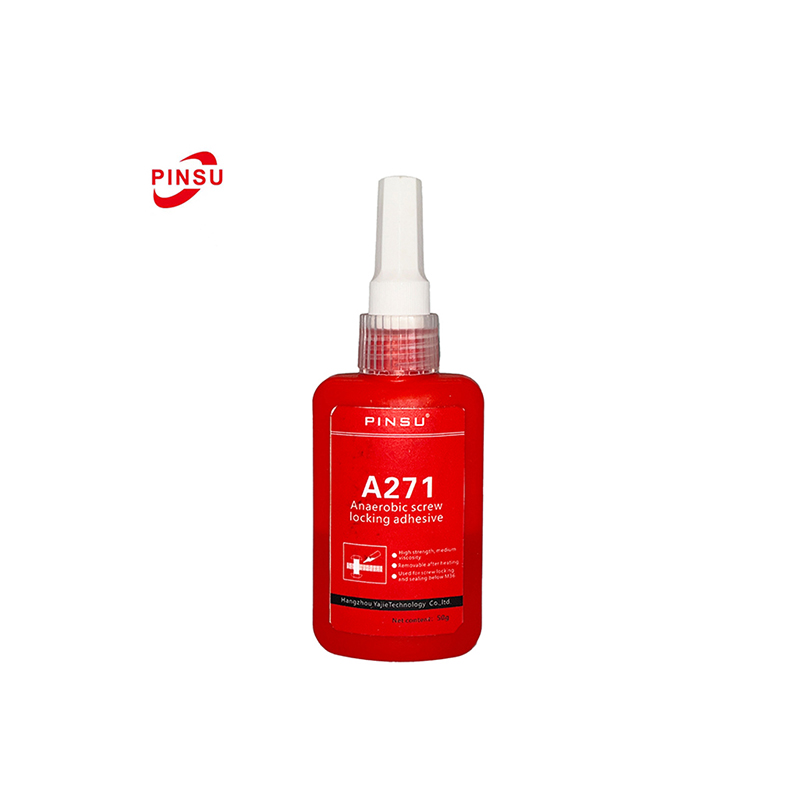
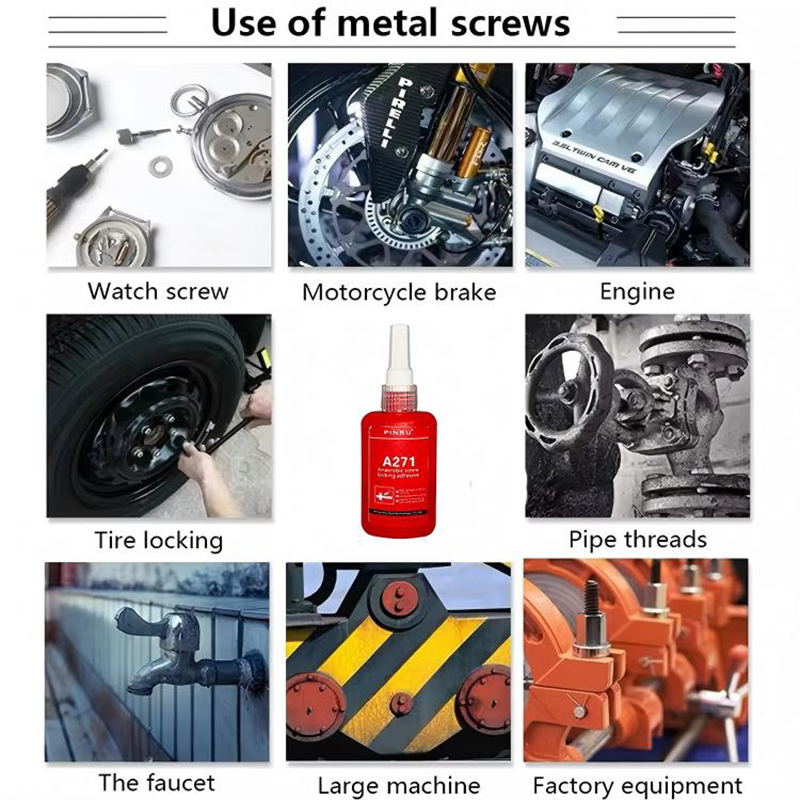 PINSU-A271 Anaerobic Adhesive for Metal Thread Sealing and LockingA271 is a one-component anaerobic threadlocking adhesive that cures at room temperature between tight metal surfaces, sealing and locking threaded joints without heat, resisting oil, water, and solvents. For rigid, machined flanges where a thin film beats silicone, it is worth a look.View Product →
Where Sensor-Safe RTV Is Worth the Premium
Any joint that shares an enclosure or a cavity with electronics should default to neutral cure. The shortlist is longer than most technicians expect:
- Oxygen sensor bungs, bosses and exhaust repairs adjacent to them
- Camshaft and crankshaft position sensor brackets and housings
- Transmission harness connectors and range sensor bores
- ECU, TCU and ignition module covers or mounting faces
- Hybrid drive and inverter housings
- LED lamp assemblies, junction boxes and control cabinets on industrial equipment
A useful habit is to treat the sealed cavity, not the visible bead, as the boundary. Vapor released inside a housing migrates across the whole volume, so a joint that looks far from the sensor on the bench can still expose it once assembled. For a fuller picture of where formed-in-place sealing excels, this overview of how RTV silicone gasket makers enhance sealing and bonding covers the mechanics behind the chemistry.
Color Tells You Less Than the Label
Tube color carries real information, but it is often misread as a cure-system code. In practice the common conventions are:
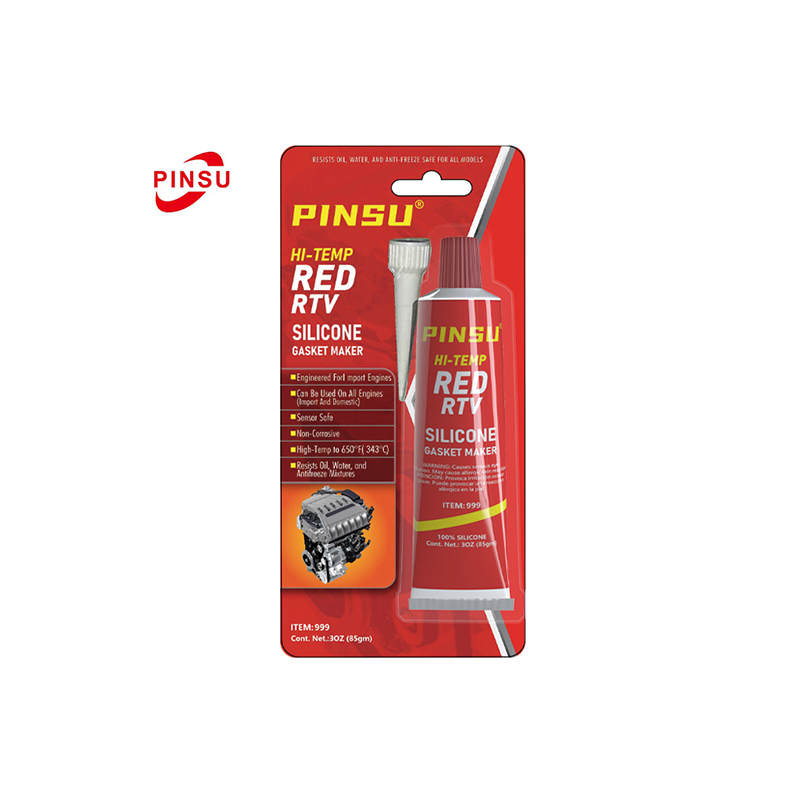
- Red: high-temperature service, commonly specified for exhaust-adjacent and turbo applications
- Grey or black: oil-resistant general gasketing
- Blue: general-purpose weather and fluid sealing
- Copper: high-heat joints around exhaust hardware
The catch is that colors are conventions, not standards. Both acetoxy and neutral chemistries are sold in every one of these colors, so a red tube can be acid cure and a grey tube can be sensor safe. The wording that actually matters is neutral cure, non-corrosive or sensor safe on the front of the tube, backed by the cure-system line in the technical datasheet. If the label says nothing about cure chemistry, treat it as regular acetoxy until proven otherwise.
Application Habits That Protect the Sensor Zone
Choosing the right chemistry is half the job; the other half is laying the bead so the seal, not the excess, does the work.
- Degrease both flanges and let solvent flash off; RTV bonds to the surface, not to the oil film sitting on it.
- Lay a bead of roughly 2 to 3 mm and never fill a gap deeper than the datasheet allows; oversized beads stay uncured in the core.
- Keep the bead inside the bolt circle and clear of sensor tips, connector cavities and breather paths.
- Assemble within the skin-over window while the surface is still tacky, so both faces grip the same bead.
- Wait at least 24 hours, or the datasheet interval, before filling with fluid or applying heat; partial cure is where most early leaks begin.
- Finish the bead with a spatula when the joint borders electronics, so no excess is smeared beyond the flange line.
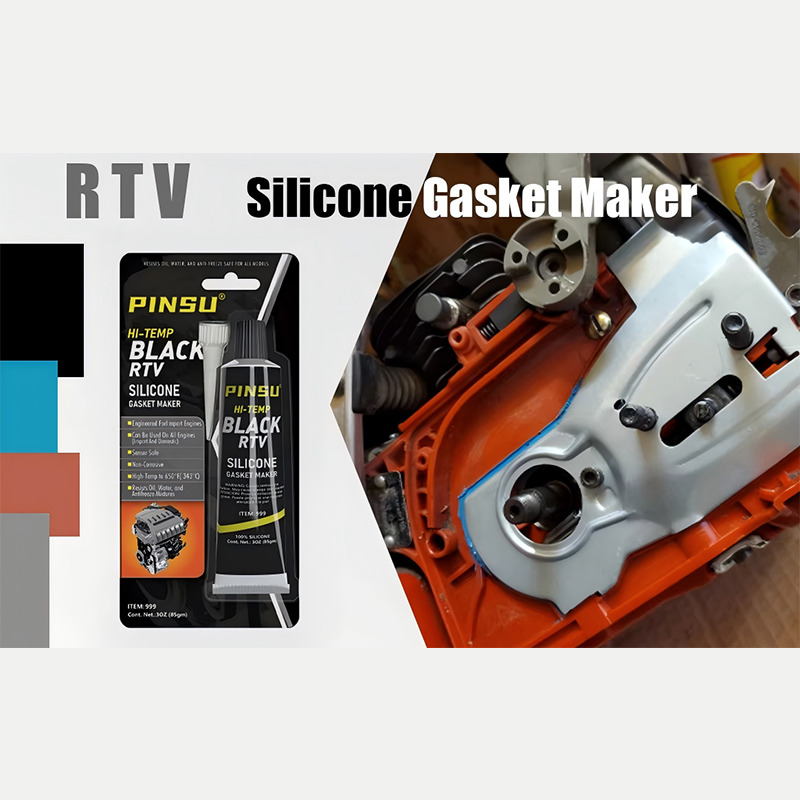 PINSU RTV High Temperature Silicone Gasket SealantThis one-component RTV silicone forms elastic, waterproof seals from -50°C to +300°C, replacing traditional gaskets on valve covers, oil pans, and pumps. As the discussion turns to laying the bead correctly, choosing a quality RTV like this one matters.View Product →
How to Verify the Claim Before You Specify
The sensor-safe wording is a claim, and claims deserve a sixty-second check before a purchase or a specification update:
- Find the cure-system line in the technical datasheet; neutral, alkoxy or oxime confirms the family, acetoxy rules it out.
- Open the safety datasheet and read the section on substances released during curing; acid-forming byproducts contradict the sensor-safe claim.
- Ask the supplier for corrosion data on copper or silver-plated contacts; reputable manufacturers run these tests routinely and share results.
- Match temperature, oil immersion and elongation data to the actual joint, since sensor-safe does not automatically mean high temperature or oil resistant.
- For OEM volumes, request a formulation review; cure speed and byproduct profiles can be tuned to an assembly line, not just a workbench.
Key Takeaways
- Regular RTV cures by releasing acetic acid; sensor-safe RTV is neutral cure and releases non-corrosive vapor.
- Acid vapor damages copper and sensor elements through proximity alone, with no direct contact required.
- Acetoxy still wins on speed, cost and oil resistance wherever no electronics share the cavity.
- Color is convention; the datasheet cure-system line is the only reliable identifier.
- A 24-hour cure before fluids and heat protects every grade, sensor-safe or not.
Frequently Asked Questions
Q1: Can regular RTV ever be used near electronics if the bead is small?
Size reduces exposure but does not remove it. In a vented, open frame a small bead a hand-width away is low risk; inside any closed cavity the vapor concentrates, so the answer is no. Default to neutral cure whenever in doubt.
Q2: Is sensor-safe RTV weaker or less heat resistant than regular RTV?
No. Neutral cure silicones are available in high-temperature and oil-resistant grades with performance similar to their acetoxy counterparts. You pay a modest premium for the chemistry, not for reduced capability, though the datasheet should still be matched to the joint.
Q3: How long should RTV cure before oil is added or the engine is run?
Most grades can be assembled after the skin-over window and are ready for fluid contact and heat after roughly 24 hours. Large or deep beads need longer because the core cures last, so treat the datasheet interval as the minimum.
Q4: Does a red tube mean high temperature and a grey tube mean oil resistant?
Those are common conventions rather than guarantees, and neither color indicates cure chemistry. Read the label for sensor-safe or neutral wording and confirm the cure system in the datasheet before trusting the color.
Q5: Can sensor-safe RTV also be used for everyday non-automotive sealing?
Yes. Neutral cure grades bond well to glass, painted metal and many plastics, and their low odor is an advantage indoors. The sensor-safe label simply adds electronic compatibility; it does not restrict ordinary use.

 TOP
TOP