
 ENG
ENG
 English
 中文简体
中文简体 русский
 Español
 عربى
عربى
Direct Answer: Yes — But Formulation Matters
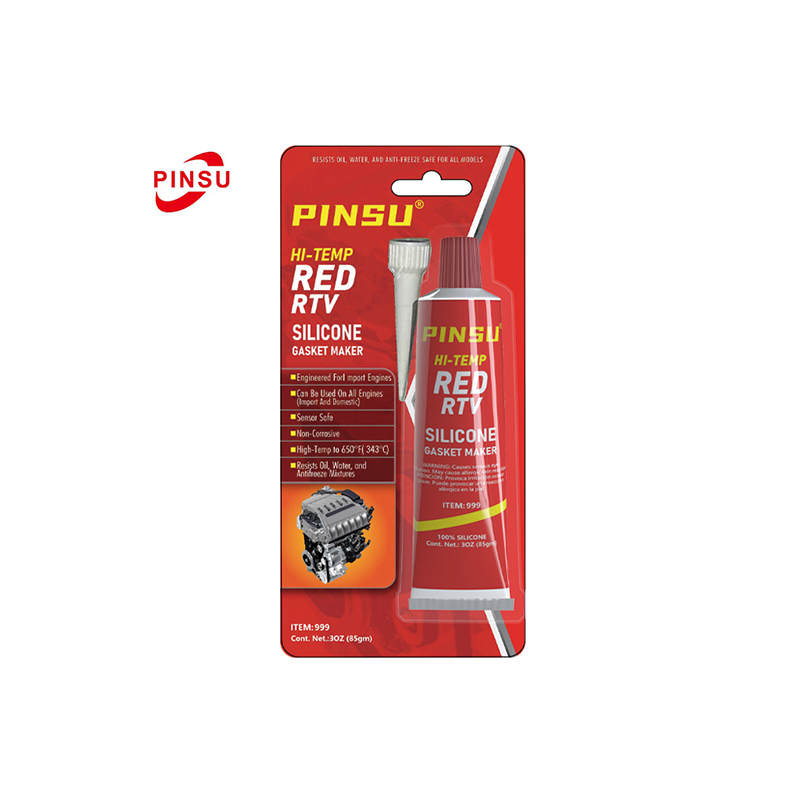
Yes, RTV silicone gasket sealants offer resistance to oils, fuels, and many chemicals — however, the level of resistance depends entirely on the specific formulation, the fluid type, and the exposure conditions. Standard RTV silicones perform exceptionally well against mineral oils, synthetic lubricants, transmission fluids, coolants, and water. But continuous contact with gasoline, diesel, or aggressive solvents can cause swelling or degradation in generic grades. For fuel-intensive applications, you must choose a specialized fluorosilicone or fuel-resistant RTV grade. High-temperature variants maintain their chemical integrity even under intermittent heat up to 600°F (316°C) while retaining oil resistance.
What RTV Silicone Gasket Sealant Actually Is
Room-temperature vulcanizing (RTV) silicone is a liquid sealant that cures at ambient conditions into a flexible, rubbery solid. As a formed-in-place gasket maker, it replaces traditional cut gaskets by conforming perfectly to flange irregularities. The cured silicone offers up to eight times more flexibility than cork or paper gaskets and twice the oil resistance of standard acetoxy silicones. Its chemical resistance stems from the silicone‑oxygen backbone, which is inherently non‑reactive with many polar fluids. However, the final resistance profile is shaped by the cure chemistry (acetoxy, oxime, or alkoxy) and any specialty fillers or polymers like fluorosilicone.
Oil Resistance: What Works and What Doesn’t
Oils with Excellent Resistance
RTV silicone gasket makers show resistance to mineral oils, synthetic engine oils, gear oils, transmission fluids, and hydraulic fluids. This makes them ideal for sealing oil pans, valve covers, transmission pans, differentials, and power steering systems. Formulations engineered specifically for oil resistance maintain their integrity even after thousands of hours of continuous oil immersion at operating temperatures.
- Engine oil pans and timing chain covers
- Automatic transmission pans and transfer cases
- Valve covers and rocker arm housings
- Axle housings and gearbox flanges
Oils with Limited Resistance
Standard RTV silicones are not recommended for continuous exposure to gasoline, diesel fuel, or biodiesel. These hydrocarbons can penetrate the silicone matrix, causing swelling, softening, and loss of adhesion. Even brief contact with fuel may degrade the seal over time. For applications that involve fuel splash or vapor, some RTV formulations offer improved fuel resistance, but always verify the product’s fuel compatibility statement before use. For constant fuel immersion, fluorosilicone-based sealants are the only reliable choice.
Fuel and Chemical Compatibility – Detailed Breakdown
Fluids with Strong Resistance
RTV silicone gasket sealants demonstrate robust resistance to a wide range of automotive and industrial fluids:
- Engine oils and hydraulic oils – both mineral and synthetic types
- Coolants and antifreeze – ethylene glycol and propylene glycol based
- Automatic transmission fluids (ATF) and power steering fluids
- Water – including hot water and saltwater
- Mild detergents and cleaning solutions
- Ozone and UV radiation – outdoor weathering resistance
Fluids That Require Caution or Special Grades
The following fluids can cause swelling, hardening, or degradation in standard RTV silicones, especially with prolonged exposure:
- Gasoline and unleaded fuels – significant swelling and loss of mechanical properties
- Diesel and biodiesel – gradual degradation and softening
- Kerosene, jet fuel, and heating oils
- Concentrated acids, strong bases, and chlorinated solvents
Always consult the technical data sheet for your specific sealant and, if possible, perform a simple immersion test with the actual fluid under expected temperature conditions to confirm compatibility.
Temperature Range and Its Effect on Chemical Resistance
Temperature directly influences both the sealant’s physical properties and its resistance to chemicals. High-temperature RTV formulations are specifically designed to preserve oil and fuel resistance across thermal cycles.
| Performance Parameter | Standard RTV Silicone | High‑Temperature RTV |
| Continuous service temperature | −60°C to +200°C | −50°C to +250°C |
| Intermittent peak temperature | Up to +250°C | Up to +316°C (600°F) |
| Low‑temperature flexibility limit | −60°C | −59°C (‑75°F) – remains flexible |
| Oil resistance at elevated temp | Moderate – may soften above 200°C | Excellent – retains seal integrity |
At temperatures above 200°C, even standard RTV begins to soften, allowing deeper fluid penetration. High-temperature grades counter this with specially engineered crosslinkers and fillers that maintain chemical resistance up to 316°C intermittent, making them essential for exhaust manifolds, turbocharger connections, and high‑performance engines.
Key Factors That Determine Chemical Resistance Performance
1. Cure Chemistry
Acetoxy‑cure systems generally provide the temperature resistance but release acetic acid, which can corrode sensitive components. Oxime‑ and alkoxy‑cure systems are sensor‑safe and non‑corrosive, making them the preferred choice for modern engines with oxygen sensors. However, their crosslink density may be slightly lower, affecting long‑term oil resistance. Always choose a cure type that balances chemical resistance with component compatibility.
2. Exposure Duration and Cycle
Intermittent fluid contact is far less damaging than continuous immersion. A sealant that survives occasional fuel splashes may fail if constantly submerged. For oil pans and transmission pans where fluid pools continuously, select a grade explicitly rated for oil resistance and high‑temperature stability.
3. Synergy Between Heat and Fluids
Higher temperatures accelerate the diffusion of fluids into the silicone network. At 150°C, oil penetration rates can be three times faster than at 100°C. Conversely, low temperatures may reduce the sealant’s flexibility, increasing the risk of brittle failure under vibration. The ideal sealant retains both elasticity and chemical resistance across the entire expected operating temperature window.
4. Fluid Composition and Additives
The aromatic content in fuels, the level of detergents in engine oils, and the presence of high-load additives in gear oils all affect silicone compatibility. Higher aromatic hydrocarbon levels (e.g., in premium gasoline) cause more rapid swelling than aliphatic‑rich diesel. Always consider the exact fluid specification for your application.
Common Applications Requiring Oil and Chemical Resistance
| Application Area | Typical Sealing Points | Primary Fluid Exposure |
| Engine | Oil pan, valve cover, timing cover | Engine oil, coolant |
| Transmission | Transmission pan, differential cover | ATF, gear oil |
| Cooling system | Water pump, thermostat housing | Antifreeze/coolant, water |
| Industrial machinery | Gearboxes, pump housings, flanges | Hydraulic fluids, lubricating oils |
| High‑heat exhaust | Exhaust manifold, turbocharger | Combustion gases, high‑temp oil |
Best Practices for Achieving Chemical Resistance
Surface Preparation
Thorough cleaning is non‑negotiable. Remove every trace of old gasket material, oil, grease, and dirt using a quality solvent‑based cleaner. Allow the surfaces to dry completely. Any contamination left on the flange will create a pathway for fluid to undermine the seal and reduce chemical resistance.
Application Technique
Apply a continuous, unbroken bead that circles all bolt holes. The recommended bead diameter is usually 1/16 to 1/4 inch (2–6 mm), depending on flange width. Assemble parts while the sealant is still wet, and tighten fasteners only until the material just begins to squeeze out evenly around the flange — this ensures a void‑free fill.
Curing Conditions
Full cure requires 24 hours at room temperature (20‑25°C) with moderate humidity. The sealant skins over in about 1 hour, but chemical resistance is not fully developed until cure is complete. In colder or drier environments, extend the curing time. Never expose the uncured sealant to oil or fuel — contamination during curing permanently compromises resistance.
Grade Selection
Match the sealant to the fluid and temperature you expect. For oil‑only applications, choose an oil‑resistant RTV. For fuel contact, verify that the product is explicitly rated for fuel resistance; otherwise, switch to a fluorosilicone alternative. For exhaust or turbo applications, high‑temperature RTV is mandatory.
Frequently Asked Questions
Can I use RTV silicone gasket maker on gasoline fuel systems?
Standard RTV silicones are not suitable for continuous gasoline contact. They swell and degrade over time. Only fuel‑rated RTV or fluorosilicone compounds should be used in fuel‑wetted areas.
Is RTV silicone resistant to diesel fuel?
Diesel causes similar issues as gasoline. While some RTV products claim improved diesel resistance, always check the manufacturer’s compatibility data and avoid standard grades for continuous diesel immersion.
What is the temperature for RTV gasket sealant?
High‑temperature RTV formulations can withstand intermittent peaks of 316°C (600°F) and continuous service up to 250°C. Standard grades are limited to about 200°C continuous.
How long does RTV silicone take to cure fully?
Typically 24 hours at 20‑25°C and 50% relative humidity. Cooler or drier conditions may require up to 48 hours. The sealant skins in about 1 hour, but do not expose it to fluids until full cure.
Is RTV silicone safe for oxygen sensors?
Yes, if you choose a sensor‑safe, non‑corrosive (oxime or alkoxy) formulation. These do not release acetic acid and will not harm O₂ sensors or electronic components.
What is the difference between standard and high‑temperature RTV?
High‑temperature RTV contains specialized fillers and crosslinkers that preserve elasticity and chemical resistance at heat. Standard grades soften and lose resistance above 200°C, while high‑temp grades remain stable up to 316°C intermittent.
Chemical Resistance Selection Flowchart
Use this quick decision guide to select the right RTV grade based on your fluid and temperature requirements:
START
↓
What is the primary fluid?
↓
┌─────────────┴─────────────┐
│ │
Oil / Coolant / Water Fuel / Gasoline / Diesel
│ │
↓ ↓
Will temperature exceed 250°C? Is exposure continuous?
│ │
┌─────┴─────┐ ┌─────┴─────┐
│ │ │ │
NO YES NO YES
│ │ │ │
↓ ↓ ↓ ↓
Standard High‑Temp Test for Use Fuel‑
RTV RTV compatibility Resistant
│ │ │ or Fluoro‑
↓ ↓ ↓ silicone
└─────┬─────┘ └─────┬─────┘
↓ ↓
└─────────────┬───────────────┘
↓
Prepare surfaces thoroughly
↓
Cure for a full 24 hours
↓
RELIABLE SEAL
↓
What is the primary fluid?
↓
┌─────────────┴─────────────┐
│ │
Oil / Coolant / Water Fuel / Gasoline / Diesel
│ │
↓ ↓
Will temperature exceed 250°C? Is exposure continuous?
│ │
┌─────┴─────┐ ┌─────┴─────┐
│ │ │ │
NO YES NO YES
│ │ │ │
↓ ↓ ↓ ↓
Standard High‑Temp Test for Use Fuel‑
RTV RTV compatibility Resistant
│ │ │ or Fluoro‑
↓ ↓ ↓ silicone
└─────┬─────┘ └─────┬─────┘
↓ ↓
└─────────────┬───────────────┘
↓
Prepare surfaces thoroughly
↓
Cure for a full 24 hours
↓
RELIABLE SEAL

 TOP
TOP