
 ENG
ENG
 English
 中文简体
中文简体 русский
 Español
 عربى
عربى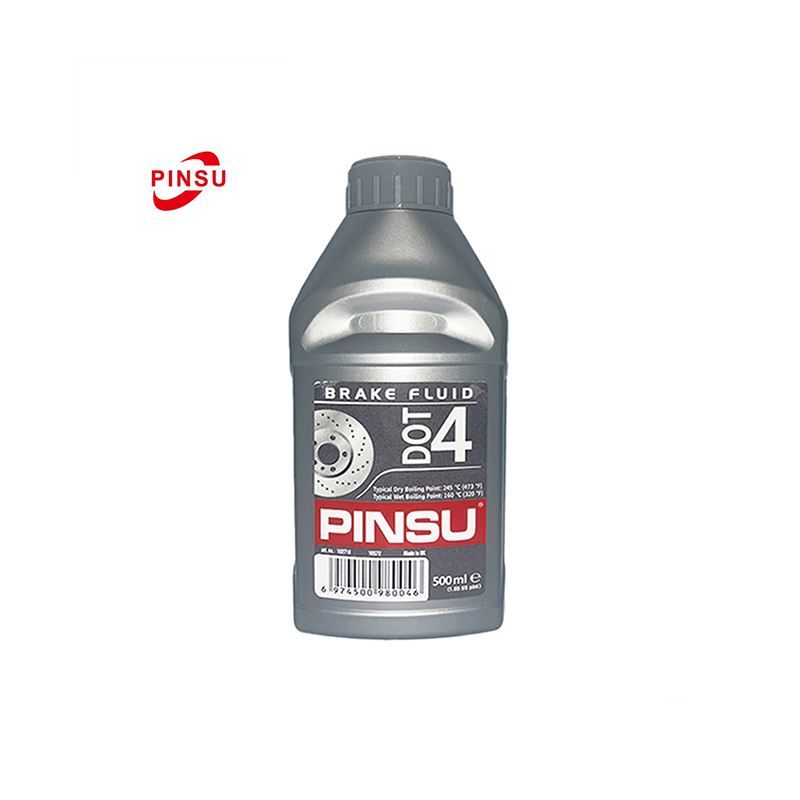
Why Vibration Keeps Loosening Metal Bolts on Working Equipment A gearbox passes commissioning without any problem, and a few weeks later a guard bracket starts...
READ MORE
REQUEST A QUOTE
DOT Brake Fluid Manufacturers
Brake fluid is a liquid medium that transmits pressure in a hydraulic brake system. It is incompressible and directly affects the response speed and safety performance of the brake system. According to the composition and performance differences, it is mainly divided into DOT3, DOT4, DOT5.1, and other types.
About Us
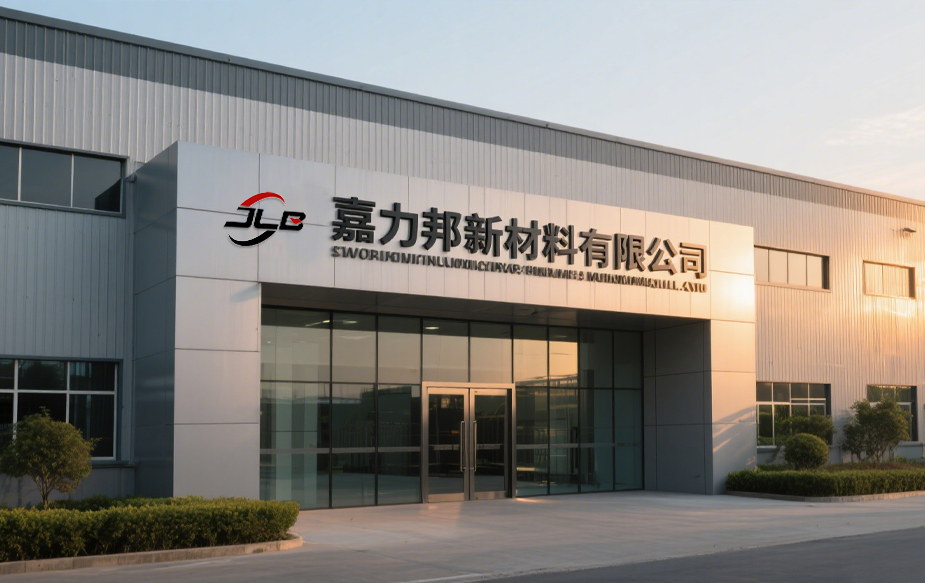
Hangzhou Jialibang New Materials Co., Ltd.
With over 20 years of experience, JIALIBANG specializes in high-performance sealants and adhesives. We are China DOT Brake Fluid Manufacturers and Wholesale DOT Brake Fluid Factory. Our product lines, including silicone sealants, RTV gasket makers, and epoxy AB glues, are trusted in construction, automotive, electronics, and PV sectors. Certified to international standards, we offer full OEM/ODM services tailored to global industrial needs.
News
-
-
Exhaust manifold sealing sits at the far edge of what room temperature vulcanizing silicone can handle. A cast manifold flange on a fully loaded engine runs so...
READ MORE -
Cooling systems are among the most unforgiving environments for any sealant. They combine elevated temperatures, constant thermal cycling, pressurized fluid, a...
READ MORE -
Formed-in-place RTV silicone gaskets have largely replaced die-cut gaskets in engine rebuilds, transmission work and industrial housings because they conform t...
READ MORE -
Applying RTV gasket maker is the straightforward part of a resealing job. The discipline comes later, when the bead is laid and the temptation grows to refill ...
READ MORE
Message Feedback
Brake Fluid Industry knowledge
From DOT3 to DOT5.1: How Chemical Evolution Dictates Hygroscopicity and Corrosion Protection
In the automotive world, the braking system is a critical "invisible commitment" to safety. The evolution of brake fluids—from DOT3 and DOT4 to the advanced DOT5.1—is a history of chemical refinement. While all three are glycol-ether based, their molecular structures have been engineered to address two major enemies of braking performance: Hygroscopicity (water absorption) and Corrosive Degradation.
1. The Chemical Shift: Borate Esters and Stability
The primary evolution occurred with the introduction of borate esters in DOT4 and DOT5.1 formulations. Unlike the simpler glycol-ethers in DOT3, borate esters chemically react with absorbed water to neutralize its impact. This maintains a higher "Wet Boiling Point," preventing the dangerous formation of steam bubbles (vapor lock) during heavy braking. Furthermore, the refinement of these formulas allows for micron-level precision in the operation of modern ABS and ESP valves, which require low-viscosity fluids to react in milliseconds.
Technical Parameter Comparison: DOT3, DOT4, and DOT5.1
At Hangzhou Jialibang New Materials Co., Ltd., we understand that stability and durability are non-negotiable. The following table highlights the performance leap across these grades:
| Performance Metric | DOT 3 | DOT 4 | DOT 5.1 | Engineering Significance |
| Dry Boiling Point (Min) | 205°C | 230°C | 260°C | Resistance to extreme heat |
| Wet Boiling Point (Min) | 140°C | 155°C | 180°C | Safety in humid conditions |
| Viscosity at -40°C | < 1500 mm²/s | < 1800 mm²/s | < 900 mm²/s | Fast response for electronics |
| Corrosion Protection | Standard | Enhanced | Maximum | Longevity of metal components |
2. Responsibility Through Innovation: The Jialibang Approach
At Hangzhou Jialibang New Materials Co., Ltd., we believe that connection is not only about physical form, but also about stability, durability, and responsibility. Whether it is the wind and rain resistance of building curtain walls or the high-pressure environment of a braking system, every "bonding" or fluid transfer is a fulfillment of trust.
We do not follow the trend but deeply understand the real working conditions and challenges of our customers—and solve them with technological means. By leveraging our automated manufacturing system and profound material R&D, we produce high-performance DOT Brake Fluid solutions that drive industry progress. Furthermore, we believe environmental protection is a set of values; we continuously invest in green chemistry to ensure our automotive fluids contribute to long-term sustainable goals in low-carbon manufacturing.
---
FAQ: Frequently Asked Questions
Q1: Why does DOT 5.1 provide better protection for automotive electronics?
A: Modern ABS and ESP systems require extremely low viscosity to function with micron-level precision. Hangzhou Jialibang New Materials Co., Ltd. focuses on the R&D of DOT 5.1 formulas that maintain rapid flow even in sub-zero temperatures. This systematic capability ensures the stability of the vehicle's electronic safety net, fulfilling our commitment to reliable solutions for global partners.
Q2: Can I mix DOT 3 with DOT 5.1 in an emergency?
A: While they are chemically compatible (both being glycol-ether based), mixing them will significantly degrade the boiling point and corrosion protection of the higher-grade fluid. At Hangzhou Jialibang New Materials Co., Ltd., we adhere to the concept of "quality and service," recommending that customers use the specific grade required for their project to ensure the durability and long-term operation of the braking system.
Q3: How does Jialibang address the environmental impact of brake fluid manufacturing?
A: Environmental protection is not a multiple-choice question for Hangzhou Jialibang New Materials Co., Ltd.. We invest in green chemistry and low-emission manufacturing processes for all our high-performance sealing and bonding materials. By optimizing the durability of our fluids, we reduce the frequency of waste generation, helping our customers achieve sustainable goals in multiple dimensions.
QUICK LINKS
PRODUCTS
CONTACT INFO
- +86-15306543011
- [email protected]
- Unit 5, Building B, Phase 11, Shutai Health Industry Park, Economic Development Zone, Tonglu Country, Hangzhou City, Zhejiang Province, China.
QR CODE
Copyright © 2023 Hangzhou Jialibang New Materials Co., Ltd. All Rights Reserved.
Wholesale DOT3, DOT4, DOT5.1 Brake Fluid Manufacturers

 TOP
TOP