PINSU-FS Fire Retardant Fireproof Silicone Sealant for Building Joints Industry Knowledge
What Are the Key Features and Applications of Fireproof Silicone Sealants?
Fireproof silicone sealants are specialized adhesives designed to provide an effective seal in high-temperature environments, ensuring structural integrity and safety during fire events. These sealants are crucial in building construction, industrial facilities, and areas where fire prevention and control are vital. With their exceptional resistance to fire, smoke, and toxic gases, fireproof silicone sealants are a critical component in preventing the spread of fire and ensuring the safety of people and property.
What Is Fireproof Silicone Sealant?
Fireproof silicone sealant is a type of sealant specifically formulated to withstand extreme temperatures and fire exposure. Unlike standard silicone sealants, which are used primarily for general sealing and bonding tasks, fireproof silicone sealants are designed to offer superior fire resistance, prevent smoke infiltration, and maintain structural integrity during a fire.
These sealants are generally composed of high-quality silicone elastomers that exhibit both heat resistance and flexibility. They are also often enhanced with various fire-retardant additives to further increase their performance under extreme conditions.
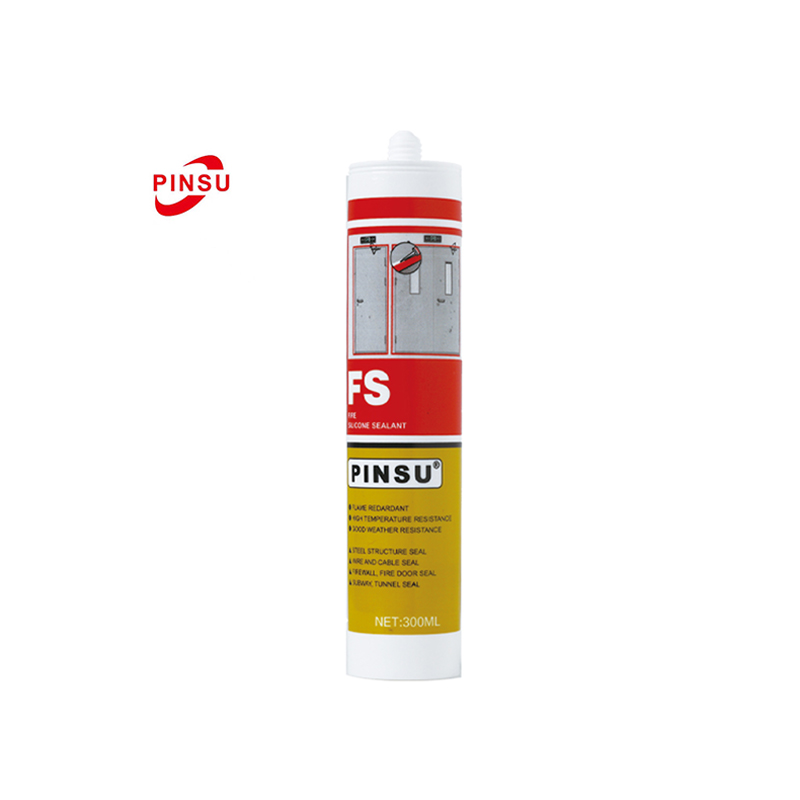
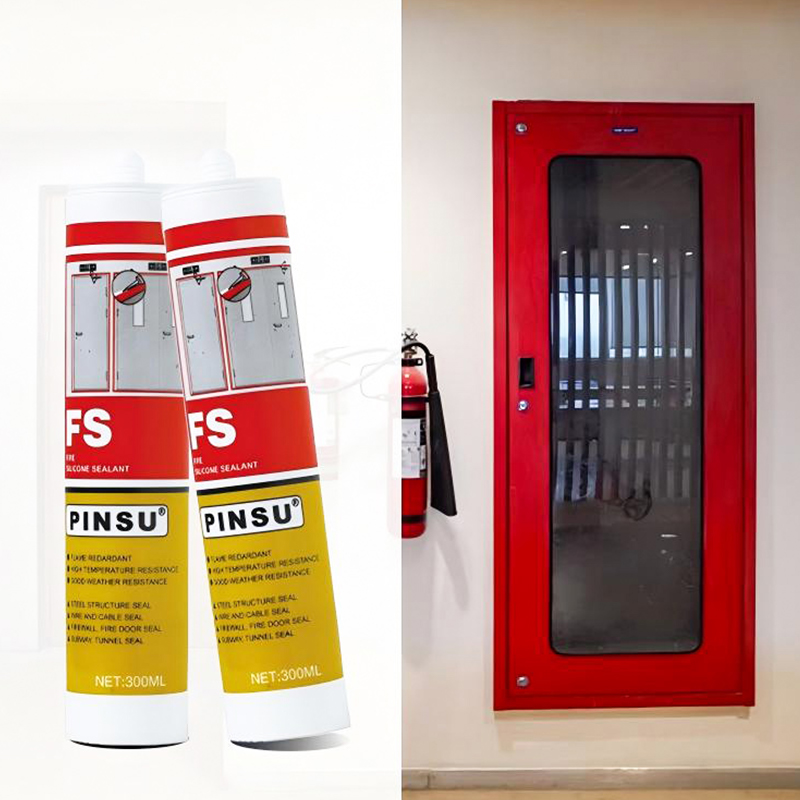
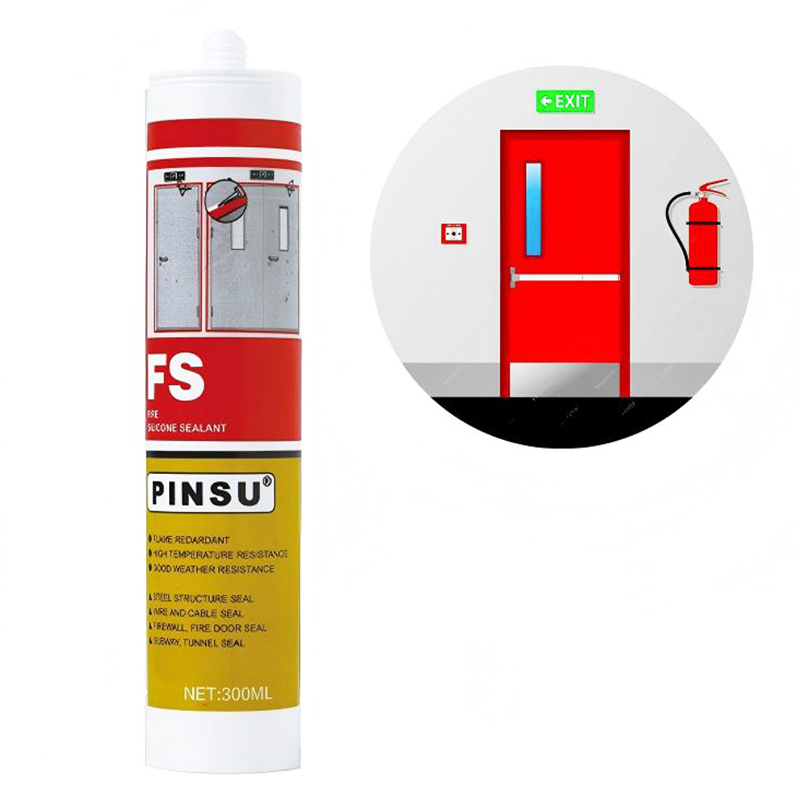
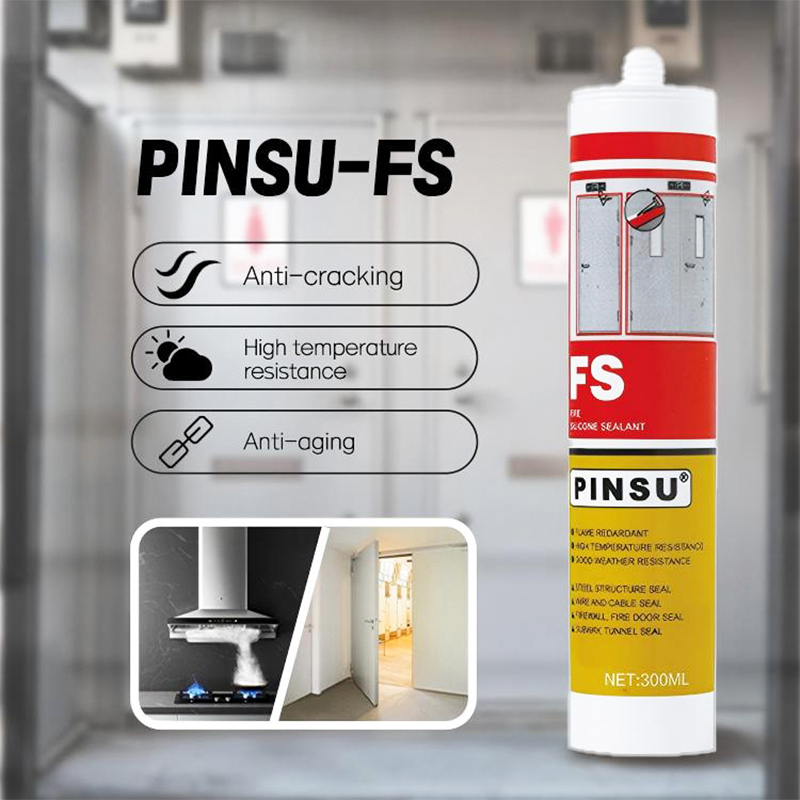
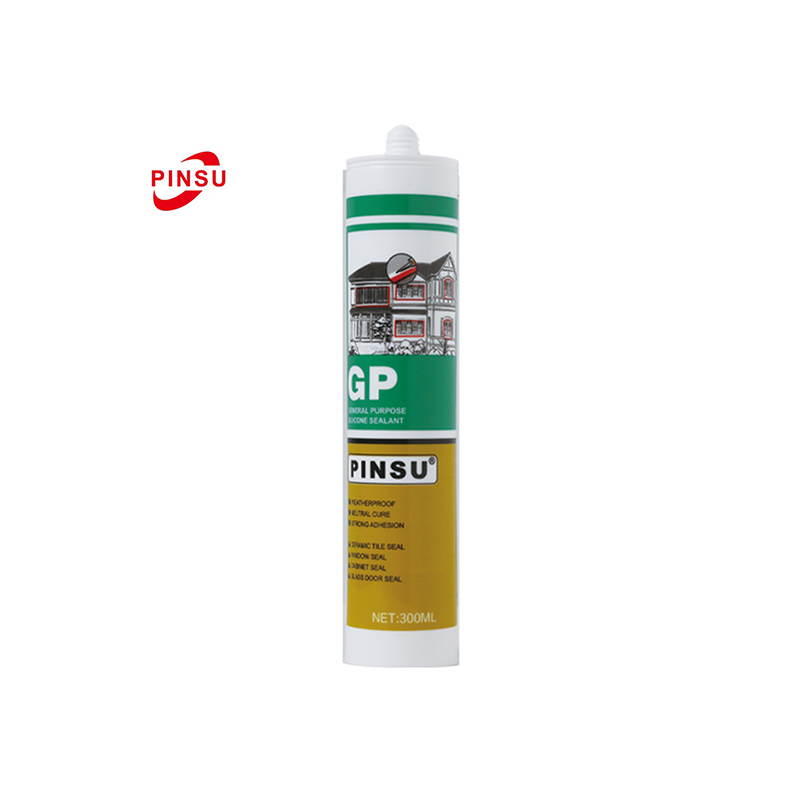
One excellent example of this product is the PINSU-FS fireproof silicone sealant, a one-component, neutral-curing silicone sealant from Hangzhou Jialibang New Materials Co., Ltd. This product demonstrates exceptional resistance to fire, smoke, and toxic gases, providing effective sealing in walls, floors, and other structural openings, which is crucial in controlling the spread of fire and preventing water infiltration under fire conditions.
Core Features of Fireproof Silicone Sealant
| Feature |
Description |
| Fire Resistance |
Can withstand temperatures ranging from 300°C to over 1000°C, depending on the product formulation. |
| Smoke and Toxic Gas Control |
Prevents the passage of smoke, harmful gases, and water during fire exposure, reducing potential hazards. |
| Flexibility |
Maintains flexibility even under high-temperature conditions, ensuring that seals do not crack or lose effectiveness. |
| Durability |
Offers long-lasting performance, often with a service life of over 25 years when applied correctly. |
| Neutral Cure |
Ensures a clean, non-corrosive cure that is safe for use in various environments, including sensitive materials. |
| Low VOC Content |
Many fireproof silicone sealants are formulated to be low in volatile organic compounds, ensuring minimal environmental impact. |
Applications of Fireproof Silicone Sealants
Fireproof silicone sealants are primarily used in firestopping applications within buildings, industrial sites, and other structures where fire safety is a primary concern. Below are some key areas of use:
1. Construction and Building Maintenance
In building construction, fireproof silicone sealants are widely used to seal gaps and openings in walls, floors, and ceilings. These openings are often necessary for the installation of electrical cables, HVAC systems, and plumbing. However, these gaps also create pathways through which fire, smoke, and toxic gases can spread. By sealing these gaps with fireproof silicone sealant, builders can significantly reduce the risk of fire spreading from one room to another.
2. Fireproofing in Industrial Environments
Industrial facilities often require specialized fireproofing solutions due to the presence of flammable materials, machinery, and equipment. Fireproof silicone sealants are used to seal penetrations in fire-rated walls and floors, preventing the spread of fire during an emergency. Additionally, these sealants provide a barrier against the infiltration of harmful smoke and toxic gases, safeguarding workers and equipment.
3. Transportation and Automotive Applications
In transportation, especially within automotive and rail industries, fireproof silicone sealants are used to ensure the safety of vehicles during fire accidents. These sealants are employed in various parts of the vehicle to maintain structural integrity under extreme conditions.
4. Marine Industry
Fireproof silicone sealants are also used in the marine industry to prevent fire and smoke from traveling through the ship's compartments. By sealing the decks, walls, and floors with these sealants, marine operators can reduce the risk of fire spread and protect both passengers and cargo.
5. Electrical and Mechanical Installations
Electrical contractors use fireproof silicone sealants to seal cable penetrations and other gaps in fire-rated walls. This is critical to prevent the spread of fire and smoke through these paths. Similarly, mechanical installations in commercial buildings often use fireproof silicone to seal HVAC systems, ductwork, and ventilation openings.
Benefits of Using Fireproof Silicone Sealants
1. Effective Fire Barrier
The primary benefit of using fireproof silicone sealants is their ability to act as a fire barrier. This is essential in ensuring that fire does not spread through walls, floors, or ceilings, especially during the crucial early stages of a fire.
2. Enhanced Safety
By preventing the passage of smoke, toxic gases, and water, fireproof silicone sealants contribute to the safety of occupants in buildings. These sealants minimize the risk of asphyxiation and poisoning from harmful fumes, offering vital protection during a fire.
3. Flexibility Under Extreme Conditions
Unlike traditional sealants, fireproof silicone remains flexible and durable even in high-temperature environments. This ensures that the seal remains intact, even as structural materials expand and contract under fire conditions.
4. Long-Term Durability
Fireproof silicone sealants are designed to withstand years of exposure to harsh conditions without deteriorating. This long-term durability makes them a cost-effective solution for fireproofing over the lifespan of a building or structure.
5. Eco-Friendly Formulations
Many fireproof silicone sealants are formulated to be eco-friendly, meeting low VOC (volatile organic compound) standards. This makes them a great choice for those looking to achieve green building certifications and contribute to sustainable construction practices.
Materials Used in Fireproof Silicone Sealants
| Material |
Description |
| Silicone Elastomers |
The primary material that gives fireproof silicone sealants their flexibility and high-temperature resistance. |
| Fire Retardant Additives |
Various chemicals added to enhance fire resistance, ensuring the sealant can withstand higher temperatures. |
| Silica |
Often used to improve the overall durability and heat resistance of the sealant. |
| Carbon Black |
Provides additional protection against UV degradation and contributes to the sealant's longevity. |
How Do Fireproof Silicone Sealants Compare to Other Firestopping Materials?
When choosing the best firestopping material, there are several options to consider, including intumescent materials, fire-resistant foams, and fire-resistant cement. Fireproof silicone sealants offer several advantages over these alternatives:
- Flexibility: Fireproof silicone sealants can expand and contract without losing their sealing ability, making them suitable for dynamic environments where materials may move or shift.
- Ease of Application: Unlike some firestopping materials that may require complex installation techniques, fireproof silicone sealants are easy to apply and cure relatively quickly.
- Long-Term Performance: While other firestopping materials may degrade over time, fireproof silicone sealants retain their sealing properties for an extended period.
Conclusion
Fireproof silicone sealants like PINSU-FS from Hangzhou Jialibang New Materials Co., Ltd. provide an effective solution for fire prevention in a wide range of industries, including construction, manufacturing, and transportation. These sealants offer superior fire resistance, flexibility, and durability, ensuring long-term protection in the event of a fire.
By choosing the right fireproof silicone sealant, you can significantly enhance the safety of your building or facility, reducing the risk of fire damage while maintaining structural integrity during critical fire conditions.

 ENG
ENG
 English
 中文简体
中文简体 русский
 Español
 عربى
عربى

 TOP
TOP