
 ENG
ENG
 English
 中文简体
中文简体 русский
 Español
 عربى
عربى
When it comes to sealing gaps, cracks, and joints in buildings, two products dominate the market: polyurethane (PU) based options and silicone-based sealants. Both are widely used by professionals and DIY enthusiasts, but they serve different purposes and perform differently depending on the environment, material, and required durability. Understanding the differences between a PU foam sealant and a traditional silicone sealant is essential for making the right choice.
Understanding the Basics
Before comparing performance, it is important to understand what each product is and how it works.
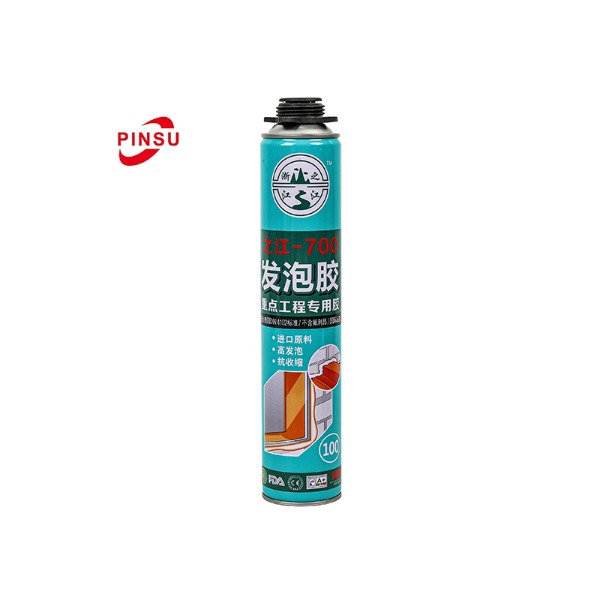
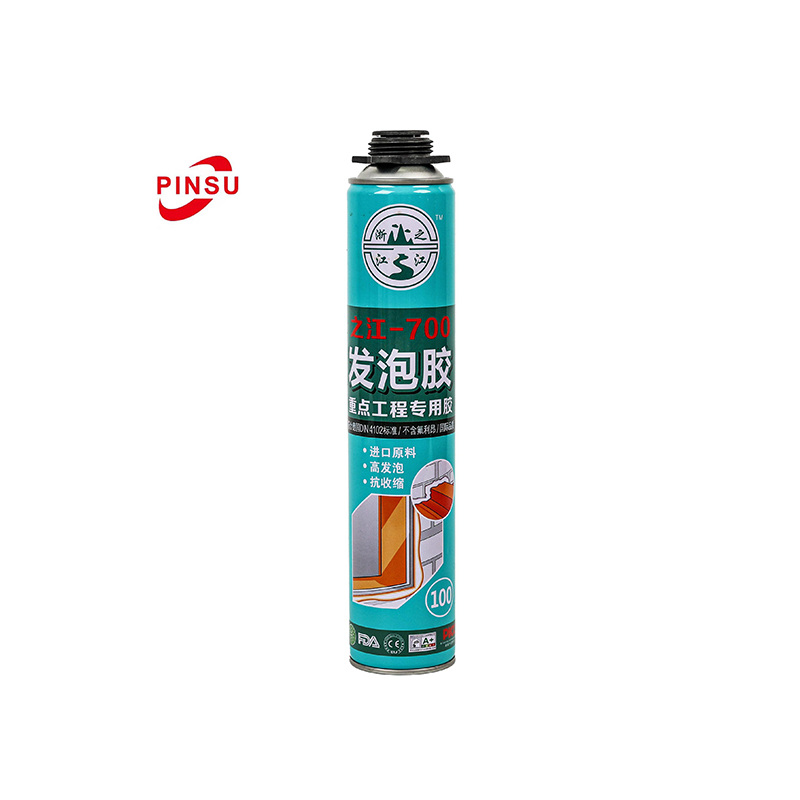
A PU foam sealant is a polyurethane-based, moisture-cured expanding foam. It is typically dispensed from an aerosol can with a straw applicator. Once applied, the foam expands to fill the gap, then hardens into a rigid or semi-rigid structure. It adheres to common building materials, including wood, concrete, brick, metal, and many plastics. PU foam is known for its thermal insulation and soundproofing properties.
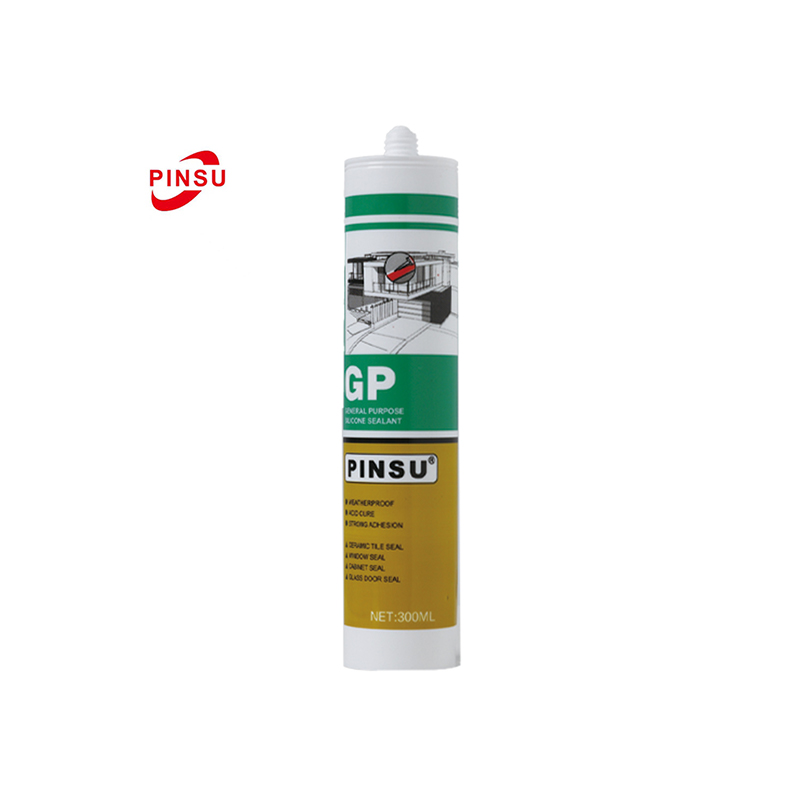
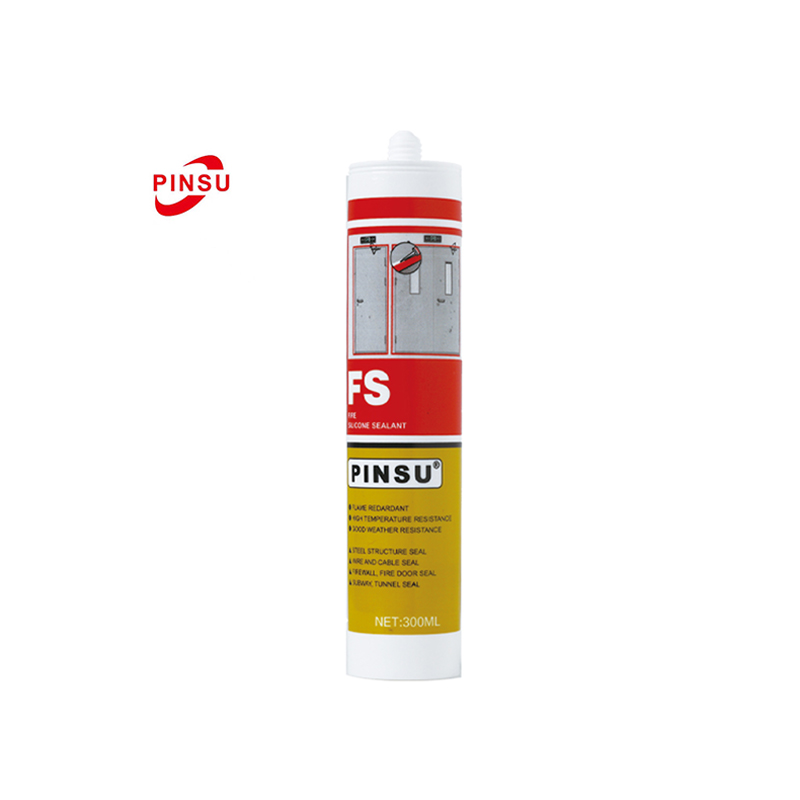
Silicone sealant is a non-expanding, paste-like material that cures by reacting with atmospheric moisture. It remains flexible after curing and provides a waterproof, elastic seal. Silicone adheres well to glass, ceramic, tiles, aluminum, and some plastics, but it may require a primer on porous surfaces like concrete or wood. Its strength lies in long-term flexibility and resistance to UV radiation and temperatures.
Key Comparison Factors
To determine which sealant is better for a given gap, several factors must be evaluated: gap size, material compatibility, flexibility needs, exposure conditions, insulation requirements, and ease of application.
Gap Size and Filling Ability
PU foam is ideal for large, irregular gaps. Because it expands after application, it can fill deep cavities and voids that silicone cannot reach. For example, gaps around door frames, window installations, or pipe penetrations are for PU foam. It expands up to 2-3 times its liquid volume, ensuring complete filling even in hidden spaces.
Silicone works for small, uniform gaps, typically up to 6-10 mm in width. For wider gaps, silicone would require multiple layers and a backing rod, which complicates the process. If you try to fill a wide gap with silicone alone, it will sag and fail to bond properly.
| Feature | PU Foam Sealant | Silicone Sealant |
|---|---|---|
| Gap width range | 1 mm to 50+ mm | 1 mm to 10 mm |
| Expansion | Yes, 2-3x volume | No expansion |
| Best for | Large, deep, irregular gaps | Small, uniform, shallow gaps |
| Backing rod needed | Rarely | For gaps >10 mm |
Flexibility and Movement
Silicone is widely recognized for its exceptional flexibility. It can stretch and compress repeatedly without breaking, making it ideal for joints that experience thermal expansion, vibration, or structural movement. Examples include expansion joints in facades, sealing around sink edges, and bathroom fixtures.
PU foam, once fully cured, is relatively rigid. Standard PU foam sealant can handle minor movements, but it will crack under significant or cyclic movement. However, some specialized low-expansion PU foams are formulated with greater elasticity, but they still do not match silicone’s long-term flexibility. For static gaps—such as those in walls or around fixed frames—PU foam works perfectly.
Adhesion and Material Compatibility
PU foam sealant adheres excellently to porous materials: wood, concrete, brick, stone, mortar, and plaster. It also bonds well to metals and rigid plastics. The foam physically locks into pores and surface irregularities, creating a strong mechanical bond.
Silicone adheres to non-porous, smooth surfaces: glass, glazed tiles, anodized aluminum, and stainless steel. On porous surfaces, silicone’s adhesion is poor unless a primer is applied. Many primers add cost and time. Moreover, silicone does not bond to itself once cured, so reapplication is difficult.
PU foam does not stick to certain plastics like polyethylene, polypropylene, or Teflon. That is actually an advantage: you can use masking tape made of such materials to control the foam’s expansion.
Insulation Properties
One of the greatest strengths of PU foam sealant is thermal insulation. The cured foam consists of millions of tiny closed cells filled with low-conductivity gas. This structure gives PU foam a thermal conductivity of approximately 0.035 W/m·K, comparable to rigid polyurethane insulation boards. Sealing a gap with PU foam not only blocks airflow but also reduces heat loss significantly.
Silicone provides almost no thermal insulation. Its thermal conductivity is around 0.35 W/m·K, ten times higher than PU foam. While silicone prevents drafts by sealing the gap, it does not reduce heat transfer through the sealed area. For energy efficiency, PU foam is far superior.
Similarly for soundproofing, PU foam’s cellular structure dampens noise transmission. Silicone, being dense and non-porous, does not absorb sound effectively.
Water and Weather Resistance
PU foam sealant is water-resistant after curing, but it is not fully waterproof if submerged. Prolonged exposure to standing water can degrade standard PU foam. For exterior applications, cured PU foam must be protected from UV light, as sunlight turns it yellow and brittle within weeks. Therefore, outdoor gaps sealed with PU foam require a top coating (paint, render, or a sealant) to shield the foam from UV and direct rain.
Silicone is inherently waterproof and UV-stable. It can withstand years of sun, rain, snow, and temperature swings without degrading. This makes silicone the better choice for fully exposed exterior joints, such as roof flashing, window perimeter seals (if narrow), and gutter repairs.
However, note that silicone remains tacky and attracts dirt if exposed to dust before full cure. Also, not all silicones are paintable; are not.
Painting and Finishing
If the sealed gap needs to be painted to match surrounding surfaces, PU foam sealant is the clear winner. Once cured, PU foam can be cut, sanded, and painted with any water-based or solvent-based paint. This allows a seamless, hidden finish.
Most silicone sealants cannot be painted. Special paintable silicones exist, but their paint adhesion is mediocre, and the paint often peels. The non-stick nature of silicone repels coatings. Therefore, for visible indoor gaps where aesthetics matter—like skirting boards, door frames, or wall cracks—PU foam followed by painting is preferred.
Application and Working Time
PU foam is applied via a pressurized can with a straw. The foam expands quickly, so users must work fast. Initial tack-free time is around 10-20 minutes, but full cure takes 8-24 hours depending on humidity and temperature. Applying too much foam can cause bulging and waste material. Trimming the excess is usually required after curing. The applicator straw is single-use; the can’s valve may clog if not cleaned immediately.
Silicone is applied with a caulking gun. It stays where placed without expanding, offering more control for thin beads. Skin formation occurs in 5-15 minutes, and full cure takes 24 hours. Unused silicone can be stored for months if the nozzle is sealed. Cleanup of uncured silicone requires a solvent or specialized wipes.
For beginners, silicone is easier to apply neatly. For professionals sealing many large gaps, PU foam is faster and more efficient per volume.
Durability and Lifespan
Silicone sealants can last 20 years or more in exterior applications without cracking or losing flexibility. They are highly resistant to ozone, UV, and temperatures (-50°C to +150°C for some types).
PU foam sealant, if protected from UV and moisture, also lasts many years—often 15-20 years indoors or within wall cavities. But if exposed to sunlight, its lifespan drops to 1-2 years without coating. Also, PU foam can become brittle in very cold climates (below -20°C) if it is constantly frozen and thawed.
Thus, for long-term durability without maintenance, silicone wins. For sealed cavities that are never exposed, PU foam is equally durable.
Cost and Yield
PU foam sealant typically comes in cans of 500 ml to 750 ml. One can can yield 30 to 50 linear meters of sealing for a 20x20 mm gap, because of expansion. The cost per project is often lower for large gaps because you need fewer cans of foam than tubes of silicone.
Silicone is sold in 280 ml or 310 ml cartridges. One cartridge covers about 10 meters of a 5x5 mm bead. For wide or deep gaps, you would need many cartridges and a backing rod.
While the price per volume of silicone is lower than PU foam per can, the total cost for filling a large cavity is usually higher for silicone. For small gaps, silicone is more economical.
Summary Comparison Table
| Criterion | PU Foam Sealant | Silicone Sealant |
|---|---|---|
| Best gap size | Large, deep, irregular | Small, uniform (≤10 mm) |
| Flexibility | Low to medium | Very high |
| Thermal insulation | Excellent | Negligible |
| Sound insulation | Good | Poor |
| Waterproofness | Moderate (requires coating) | Excellent |
| UV resistance | Poor (needs covering) | Excellent |
| Paintability | Yes | Generally no |
| Adhesion to porous surfaces | Excellent | Poor (primer needed) |
| Adhesion to non-porous surfaces | Moderate | Excellent |
| Ease for beginners | Moderate (needs practice) | Easy |
| Typical lifespan (outdoor) | 1-2 years (unprotected) | 15-20+ years |
| Typical lifespan (indoor/cavity) | 15-20 years | 20+ years |
When to Choose PU Foam Sealant
Choose a PU foam sealant when you need to:
- Fill deep, wide, or irregularly shaped gaps (over 10 mm wide).
- Improve thermal insulation and reduce energy bills.
- Seal around door frames, window frames (before final trim), pipe penetrations, and wall cavities.
- Block sound transmission through cracks.
- Paint the sealed area for a hidden finish.
- Bond to wood, concrete, brick, or stone.
Example applications: sealing between a window frame and rough opening, filling holes where cables pass through walls, insulating behind electrical boxes, and closing attic bypasses.
When to Choose Silicone Sealant
Choose silicone sealant when you need to:
- Seal narrow, uniform joints (under 10 mm).
- Accommodate structural movement or thermal expansion.
- Provide long-term waterproofing in fully exposed locations.
- Seal around sinks, bathtubs, showers, and glass panels.
- Adhere to very smooth, non-porous surfaces like ceramic or glass.
- Avoid painting or finishing over the seal.
Example applications: bathroom tile joints, kitchen sink edges, exterior window glazing (narrow gap), expansion joints in concrete slabs, and sealing metal roof flashings.
Common Mistakes to Avoid
Using silicone over PU foam for exterior exposed gaps – Without UV protection, PU foam degrades quickly. But silicone alone cannot fill large gaps. The correct method for large exterior gaps: fill the deep cavity with PU foam, let it cure, trim it back by 5-10 mm from the surface, then apply a top layer of silicone or exterior-grade sealant for UV and water protection.
Applying PU foam in closed cavities without airflow – PU foam requires moisture to cure. In very dry or completely sealed spaces, it may cure slowly or incompletely. Lightly misting the gap with water before application helps.
Cutting too much from cured PU foam – Over-trimming reduces the foam’s insulating layer and may expose the inner cells. Trim only to make the surface flush.
Using silicone on porous materials without primer – The silicone will peel off concrete or wood within months. Either use a PU foam or apply a suitable primer.
Not wearing gloves – Uncured PU foam is extremely sticky and very difficult to remove from skin. Solvents like acetone help, but prevention is better.
Environmental and Safety Considerations
PU foam sealant contains isocyanates, which are sensitizing agents. Inhalation of spray mist can cause respiratory irritation or occupational asthma. Always use PU foam in well-ventilated areas and wear a mask (P2 or better) and gloves. The propellant gas is often flammable, so keep away from ignition sources.
Silicone sealants release alcohols or acetic acid (vinegar smell) during cure. These are generally less hazardous, though silicone should also be used with ventilation.
Both products, once cured, are inert and safe. Neither is easily recyclable; empty PU foam cans must be disposed of as hazardous waste in many regions because of residual propellant and isocyanates. Silicone cartridges are not widely recycled.
Verdict: Which Is Better?
There is no absolute winner. The better choice depends entirely on the gap and the application.
For large, energy-wasting gaps that need insulation and soundproofing, PU foam sealant is far superior. It expands to fill voids, stops air leakage, and can be painted to match the wall. For small, moving joints exposed to weather or water, silicone is the reliable solution. Its flexibility and waterproof nature cannot be matched by standard PU foam.
In many professional construction jobs, both products are used in sequence: PU foam as a deep filler and insulator, then a top bead of silicone for weather resistance and aesthetics. This hybrid approach leverages the strengths of each material.
Choose PU foam for volume filling, thermal breaks, and indoor structural gaps. Choose silicone for sealing narrow, moving joints and fully exposed waterproofing. When in doubt, consider the movement of the gap and the need for insulation—those two factors will guide your choice correctly.

 TOP
TOP