
 ENG
ENG
 English
 中文简体
中文简体 русский
 Español
 عربى
عربى
Maintaining a clean and hygienic home environment often comes down to the smallest details. In areas frequently exposed to moisture, such as bathrooms and kitchens, standard fillers often fail, leading to the unsightly and unhealthy growth of mold. This is where Antifungal Silicone Sealant becomes an essential component of modern construction and home maintenance.
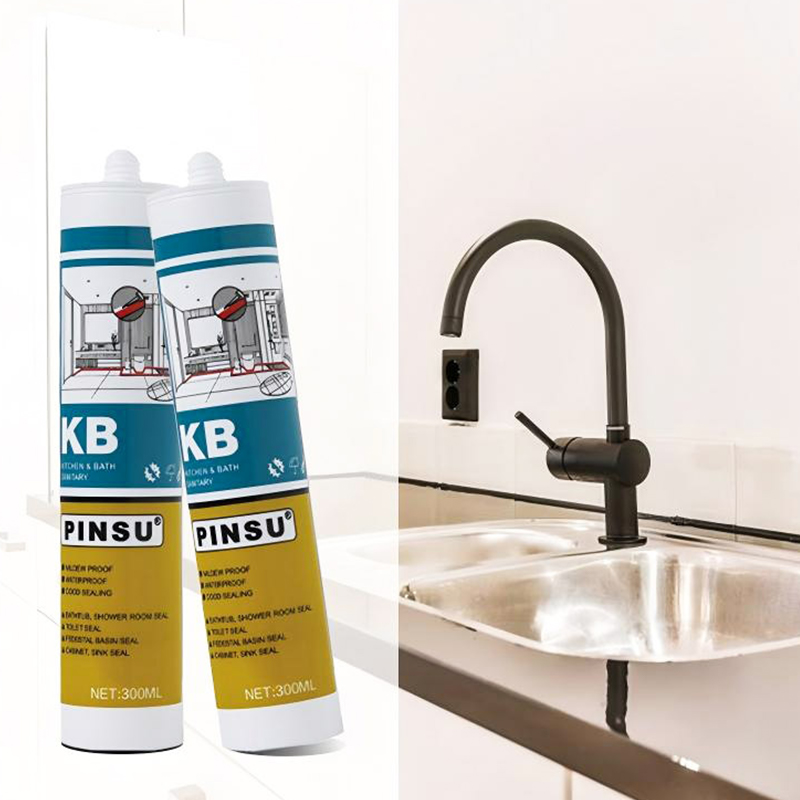
What is Antifungal Silicone Sealant?
Antifungal Silicone Sealant is a specialized form of moisture-cure adhesive designed to remain flexible while actively resisting the colonization of fungi, mildew, and bacteria. Unlike standard silicone, these formulations are infused with biocides (fungicides) that create a protective barrier, preventing microorganisms from breaking down the polymer chain.
Technical Parameter Comparison: Standard vs. Antifungal Silicone
To understand the technical superiority of antifungal variants, it is helpful to look at how they compare to general-purpose silicone sealants across key performance metrics.
| Feature | Standard Silicone Sealant | Antifungal (Sanitary) Silicone |
| Mold Resistance | Low (Susceptible to black spots) | High (Contains active fungicides) |
| Moisture Resistance | Good | Excellent / Waterproof |
| Flexibility (Movement) | 12.5% to 25% | Up to 25% or higher |
| UV Stability | Moderate | High (Resists yellowing) |
| Typical Lifespan | 5-10 years (Aesthetic failure sooner) | 10-20 years (Maintains clarity/color) |
Why Antifungal Properties Matter
In high-humidity zones, mold isn't just a cosmetic issue—it is a structural and health concern. Specialized sealants offer several critical advantages:
- Health Protection: Prevents the release of mold spores which can trigger respiratory issues and allergies.
- Structural Integrity: Mold can eventually penetrate the bond between the sealant and the substrate, leading to water leaks.
- Aesthetic Longevity: High-quality antifungal agents prevent the "blackening" effect, keeping joints looking new for years.
The Role of Biocides in Sealants
The "Antifungal" designation usually refers to the addition of Isothiazolinone or Silver-ion technology. These additives are released in microscopic amounts over time to ensure that even as the surface is cleaned with harsh chemicals, the mold-inhibiting properties remain active within the sealant's matrix.
Key Performance Indicators (KPIs) to Consider
When evaluating a professional-grade antifungal sealant, look for these specific technical attributes:
- Shore A Hardness: Typically between 15-25 for optimal balance between softness and durability.
- Skin-over Time: Usually 10-20 minutes, allowing enough time for professional tooling and smoothing.
- Service Temperature: Ability to withstand ranges from -40°C to +150°C without losing adhesion.
- Elongation at Break: High-quality silicones should offer >400% elongation to handle joint expansion.
Understanding Antifungal Silicone Sealant: Composition and Mechanism
To appreciate why Antifungal Silicone Sealant is the gold standard for high-moisture environments, one must look beyond its surface-level appearance. At its core, this material is a high-performance polymer engineered to withstand biological degradation that would typically destroy standard organic sealants.
Chemical Composition and the Role of Biocides
The primary matrix of the sealant consists of Polydimethylsiloxane (PDMS), which provides the characteristic flexibility and water resistance. However, the "antifungal" designation comes from the strategic infusion of active fungicides and bacteriostats. These chemical agents work by disrupting the cellular membranes of fungi, preventing them from feeding on organic dust or soap scum that accumulates on the sealant surface.
- Inorganic Antimicrobials: Often utilizing silver-ion technology, these provide long-term protection and are highly resistant to leaching.
- Organic Biocides: Such as DCOIT or Carbendazim, which are highly effective at neutralizing a broad spectrum of mold species common in household environments.
The Mechanism of Protection
Standard sealants are "passive," meaning they simply provide a physical barrier. In contrast, antifungal sealants are "active". When moisture levels rise, the biocide within the sealant matrix migrates slightly to the surface, creating an inhospitable zone for spore germination. This process ensures that even if the surface is not cleaned daily, the sealant itself will not support fungal growth.
Technical Parameters: Antifungal vs. General Purpose Sealants
Professional installers look for specific technical data to ensure the sealant can handle the rigors of a sanitary environment. The following comparison highlights the specialized nature of antifungal formulations.
| Parameter | General Purpose Silicone | Antifungal (Sanitary Grade) |
| Anti-Mold Rating | None or Grade 3 (Visible Growth) | Grade 0 or 1 (No Growth) |
| Curing System | Acetoxy or Neutral | Primarily Neutral (Low Odor) |
| Skin-Over Time | 15–30 Minutes | 8–15 Minutes (Faster Protection) |
| Elongation at Break | 200% – 300% | 400% – 600% (High Flexibility) |
| Modulus at 100% | 0.5 MPa | 0.3 - 0.4 MPa (Lower is better for joints) |
Key Performance Indicators (KPIs)
When selecting a high-depth antifungal sealant, the following KPIs determine the professional longevity of the application:
- Non-Yellowing Property: Antifungal sealants are formulated to resist the yellowing effects of UV light and common bathroom chemicals (like bleach).
- VOC Emission: Quality products maintain low Volatile Organic Compound levels, ensuring safety in enclosed spaces like shower cubicles.
- Adhesion Profile: Unlike standard caulk, antifungal silicone is designed for non-porous surfaces such as glazed ceramics, glass, and anodized aluminum.
Why Choose Antifungal Silicone Over Standard Sealants?
When sealing joints in a home or commercial building, the choice between a general-purpose sealant and a specialized Antifungal Silicone Sealant often determines the frequency of future maintenance. While standard sealants provide a basic moisture barrier, they lack the active chemical defense required to combat the biological challenges of high-humidity environments.
1. Superior Resistance to Microbial Colonization
The primary advantage is the inclusion of active fungicides. Standard silicone, while waterproof, can still act as a host surface for organic buildup (soap scum, skin cells, and dust). Mold spores feed on this buildup and eventually penetrate the silicone matrix, causing deep-seated black stains that cannot be scrubbed away. Antifungal variants are engineered to inhibit this colonization at a cellular level.
2. Long-Term Aesthetic Integrity
Standard sealants often suffer from chromatic degradation. In damp environments, they may turn yellow, grey, or develop the characteristic "black spotting" within just a few months. Antifungal silicone maintains its original color—whether stark white or crystal clear—for a significantly longer duration, preserving the "new" look of your bathroom or kitchen fixtures.
3. Enhanced Physical Durability and Flexibility
Antifungal sealants are typically formulated as high-modulus or low-modulus sanitary grade products. This means they are not only resistant to mold but also better at handling the structural movement of bathtubs and sinks as they fill and empty. They maintain a "rubbery" consistency without becoming brittle or peeling away from the edges.
Technical Comparison: Performance Indicators
The following table outlines the functional differences that justify the transition to antifungal-specific products for sanitary applications.
| Performance Metric | Standard Sealant | Antifungal Sanitary Sealant |
| Bio-Filtration | Passive (Barrier only) | Active (Kills spores on contact) |
| Adhesion Strength | Moderate (General surfaces) | Superior (Glass, Tile, Acrylic) |
| Maintenance Requirement | High (Frequent scrubbing/replacement) | Low (Self-protecting surface) |
| Shrinkage Rate | 5% - 10% | < 3% (Maintains volume) |
| Service Life (Sanitary) | 1 - 2 Years | 5 - 10+ Years |
4. Chemical and Cleaning Resistance
In bathrooms and kitchens, surfaces are frequently exposed to harsh cleaning agents, including bleach and surfactants. Antifungal Silicone Sealant is chemically "tougher," meaning the fungicide is encapsulated within the silicone matrix so it doesn't wash away easily, and the polymer itself doesn't degrade or lose its seal when exposed to common household chemicals.
5. Cost-Effectiveness over Time
While the initial cost of an antifungal product may be slightly higher than a basic builder's grade silicone, the Total Cost of Ownership (TCO) is much lower.
- Labor Savings: You avoid the labor-intensive process of stripping and replacing moldy caulk every 12-18 months.
- Structural Protection: A sustained seal prevents water from seeping behind tiles, which can lead to expensive rot in wall studs or subflooring.
Core Application Scenarios for Antifungal Silicone Sealant
While Antifungal Silicone Sealant is versatile, its chemical design is specifically optimized for environments where moisture, heat, and organic matter coexist. Understanding where to apply this material ensures long-term structural protection and hygiene.
1. Bathroom and Sanitary Installations
The bathroom is the most critical area for antifungal protection due to constant exposure to standing water and high humidity. In these zones, the sealant must act as a flexible waterproof barrier that does not support black mold growth (Aspergillus niger).
- Shower Enclosures: Sealing the joints between glass panels and tiled walls, as well as the interface between the shower tray and the floor.
- Bathtubs: Providing a watertight perimeter that accommodates the slight movement (settling) of the tub when filled with water.
- Washbasins and Vanities: Closing the gap between the basin and the backsplash to prevent water from rotting the wooden cabinetry underneath.
2. Kitchen and Food Preparation Areas
In kitchens, the sealant must be "sanitary grade," meaning it resists food-borne bacteria and mold while being easy to wipe clean. The accumulation of grease and food particles in kitchen corners often accelerates mold growth if a standard sealant is used.
- Sink Perimeters: Sealing stainless steel or composite sinks to stone or laminate countertops.
- Countertop Backsplashes: Preventing liquids from seeping behind the counter and into the wall structure.
- Kitchen Islands: Ensuring a seamless, hygienic finish where different materials meet.
3. High-Humidity Industrial and Recreational Zones
Beyond residential use, antifungal silicone is essential in commercial settings where the "moisture load" is significantly higher than a standard home.
- Indoor Swimming Pools and Saunas: Constant vapor pressure requires a sealant with high hydrostatic resistance and potent fungicidal properties.
- Cold Storage and Refrigeration: Sealing joints in walk-in freezers and refrigerators where condensation often forms.
- Hospital and Laboratory Environments: Maintaining sterile conditions in areas that require frequent chemical wash-downs.
Application Environment Comparison
The following table illustrates the differing requirements across these core application scenarios and why antifungal properties are prioritized.
| Application Site | Primary Challenge | Critical Sealant Property |
| Shower / Bathtub | Standing water and soap scum | Class 25LM (High Movement) + Bio-protection |
| Kitchen Sink | Food acids and grease buildup | Chemical Resistance + Smooth Finish |
| Sauna / Pool | High heat and constant vapor | Thermal Stability + Grade 0 Antifungal |
| Window Frames | Condensation and UV exposure | UV Resistance + Non-Yellowing |
4. Exterior Window and Door Perimeters
In regions with high rainfall or high humidity, condensation frequently forms on the interior side of window glass. This moisture trickles down to the frame joints, creating a micro-environment for mold. Using Antifungal Silicone Sealant on internal window perimeters prevents the unappealing black streaks often seen on older window installations.
Environmental Constraints for Application
To ensure the sealant performs correctly in these scenarios, certain environmental parameters must be met during the application phase:
- Application Temperature: Ideally between 5°C and 40°C.
- Substrate Moisture: Surfaces must be 100% dry to ensure a molecular bond.
- Cure Rate: Expect approximately 2mm to 3mm of depth per 24 hours at 50% relative humidity.
Buying Guide: How to Select the Right Antifungal Silicone Sealant
Choosing the correct Antifungal Silicone Sealant requires more than just picking a "sanitary" label. To ensure professional results, you must evaluate the chemical curing system, movement capabilities, and compliance with international anti-mold standards. Below is a detailed breakdown of the selection criteria used by industry professionals.
1. Curing System: Acetoxy vs. Neutral Cure
The "cure type" refers to the chemical reaction that occurs as the sealant hardens. This is the most critical factor in determining substrate compatibility and application speed.
- Acetoxy Cure (Acidic): Recognizable by its strong vinegar-like odor. It cures rapidly and offers excellent adhesion to non-porous surfaces like glass and glazed ceramics. Caution: The acetic acid released during curing can corrode sensitive metals (like copper or brass) and may etch natural stones.
- Neutral Cure (Alkoxy/Oxime): Releases alcohol or other non-acidic vapors. It has almost no odor and is safe for nearly all materials, including plastics, masonry, and metals. While it takes longer to become "tack-free," it offers superior long-term adhesion for diverse construction materials.
2. Movement Class (ASTM C920)
Every joint in a building moves due to temperature changes or structural settling. Sealants are rated by a Class Number, which indicates the percentage of expansion or contraction they can handle without failing.
| Rating / Class | Movement Capability | Best For |
| Class 12.5 | ±12.5% | Internal trim, small gaps with low stress. |
| Class 25 (Standard) | ±25% | Kitchen sinks, washbasins, and countertops. |
| Class 50 (High-End) | ±50% | Large bathtubs, shower stalls, and glass partitions. |
3. Certification and Anti-Mold Standards
Not all "antifungal" claims are equal. For high-depth applications, look for products that have undergone standardized laboratory testing to verify their biological resistance.
- ISO 846: An international standard that evaluates the effect of microorganisms on plastics. Method B specifically determines the "fungistatic" effect—the sealant's ability to inhibit growth even when nutrients are present.
- ASTM G21: A North American standard where the material is exposed to five specific fungal spores. A rating of "0" (No Growth) is the highest achievement for a sanitary sealant.
- ISO 11600: Categorizes sealants by their intended use (Type F for construction, Type G for glazing) and movement capability.
4. Technical Specification Checklist
When reviewing a Technical Data Sheet (TDS), prioritize these specific values for a long-lasting sanitary seal:
- Shore A Hardness: For sanitary joints, a range of 15–25 is ideal. Lower numbers are more flexible, while higher numbers are more resistant to physical scrubbing.
- 100% Modulus: This measures the force required to stretch the sealant. For joints between different materials (e.g., acrylic tub to tiled wall), a Low Modulus (0.3–0.4 MPa) is preferred to reduce stress on the bond line.
- VOC Content: Ensure the product is rated for indoor use with low Volatile Organic Compounds to prevent respiratory irritation in small, enclosed bathrooms.
5. Color Stability and Finish
Premium antifungal sealants include UV stabilizers to prevent yellowing over time. If you are sealing a white bathtub, look for "Non-Yellowing" or "Pure White" formulations. For glass-to-glass joints, ensure the product specifies "Crystal Clear" or "High Transparency," as neutral-cure silicones can sometimes appear slightly milky compared to acetoxy types.
Professional Installation: How to Apply Antifungal Silicone Sealant Like a Pro
The effectiveness of an Antifungal Silicone Sealant depends significantly on the quality of application. Even the highest-grade fungicide cannot prevent mold if water pools in uneven gaps or if the sealant fails to bond correctly to the substrate. Following a professional step-by-step protocol ensures a watertight, aesthetically pleasing, and long-lasting result.
1. Thorough Surface Preparation
Preparation is the most critical phase. Silicone will not adhere to old residue, soap scum, or damp surfaces. Failure to clean properly is the leading cause of premature "peeling."
- Mechanical Removal: Use a specialized sealant remover tool or a utility knife to strip away every trace of old caulk. Be careful not to scratch acrylic tubs or glass.
- Chemical Cleaning: Wipe the area with Isopropyl Alcohol (IPA) or a dedicated degreaser. This removes oils and invisible biofilms that prevent molecular bonding.
- Bone Dry Surface: Ensure the joint is 100% dry. Use a hairdryer if necessary to remove moisture trapped deep within the gaps.
2. Joint Design and Masking
To achieve the "perfect bead" seen in professional installations, use Masking Tape. Apply the tape parallel to the joint on both sides, leaving a gap exactly the width of the desired sealant bead (usually 5mm to 8mm).
3. Preparing the Cartridge and Nozzle
The way you cut the nozzle determines the flow and shape of the sealant.
- 45-Degree Angle: Cut the plastic nozzle at a 45-degree angle. The size of the opening should be slightly smaller than the width of the joint you are filling.
- Consistent Flow: Use a high-quality caulking gun with a "drip-free" mechanism to ensure even pressure.
4. The Application Process
Hold the gun at a 45-degree angle and move at a steady, continuous pace. It is better to "push" the sealant into the joint rather than "pull" it, as pushing ensures the material penetrates deep into the gap for a mechanical anchor.
5. Tooling and Finishing (The "Wet" Secret)
Tooling is the process of smoothing the sealant to create a concave shape that sheds water. This must be done within 5–10 minutes before the sealant begins to "skin over."
- Smoothing Agent: Spray the bead lightly with a mixture of water and a few drops of dish soap (or a professional smoothing spray).
- The Tool: Use a silicone smoothing tool or a gloved finger. Apply light, even pressure in one long stroke to create a uniform finish.
- Tape Removal: Remove the masking tape immediately after tooling while the sealant is still wet. This ensures a sharp, clean edge.
Technical Parameters for Optimal Application
Professional installers monitor environmental conditions to ensure the chemical curing process occurs as designed.
| Parameter | Optimal Condition | Impact of Failure |
| Ambient Temperature | 5°C to 35°C (40°F to 95°F) | Cold slows curing; Heat causes bubbling. |
| Relative Humidity | 40% to 60% | Low humidity significantly delays curing. |
| Substrate Temperature | > 3°C above Dew Point | Prevents invisible condensation at the bond line. |
| Tooling Time (Skinning) | 8 to 15 Minutes | Dragging or tearing of the surface if too late. |
| Full Cure Time | 24 to 48 Hours | Premature water exposure causes wash-out. |
6. Curing and Post-Application Care
While some "fast-set" silicones claim to be shower-ready in 1 hour, it is best practice to wait at least 24 hours before exposing the sealant to direct water pressure. During this time, the biocide is stabilizing within the polymer matrix. Avoid using aggressive bleach-based cleaners on the new sealant for the first 7 days to prevent interfering with the curing chemistry.
Frequently Asked Questions (FAQs) About Antifungal Silicone Sealant
Even with a professional-grade Antifungal Silicone Sealant, users often have technical questions regarding its maintenance, limitations, and long-term performance. Below are the most common inquiries addressed with professional-depth insights.
1. Is the sealant "Permanent" against mold?
No sealant is completely "mold-proof" forever. The antifungal properties are time-released. Over several years, the concentration of fungicides on the surface may decrease due to constant scrubbing and chemical exposure. However, an antifungal sealant will last 5 to 10 times longer than a standard sealant before showing signs of biological growth. Maintaining a dry environment and removing soap residue significantly extends the life of the antimicrobial agents.
2. Can I apply new antifungal silicone over old, moldy sealant?
Absolutely not. This is a common mistake that leads to "double failure."
- Adhesion: Silicone does not stick well to cured silicone. The new layer will eventually peel.
- Contamination: If you cover existing mold, the spores will remain trapped underneath. They can eventually eat through the new sealant from the back or cause the bond to fail completely.
Always remove 100% of the old material and disinfect the joint with a fungicidal wash before re-applying.
3. Can Antifungal Silicone Sealant be painted?
Generally, no. Pure silicone sealants are "non-paintable" because paint cannot adhere to the low-surface-energy silicone polymer. If you attempt to paint it, the paint will "bead up" or crack and flake off shortly after drying. If your project requires a specific color match for a wall, you should purchase a pre-colored antifungal silicone that matches your grout or tile.
4. How do I handle very deep or wide gaps?
For gaps deeper than 10mm, you should not fill the entire space with silicone. This can lead to "three-sided adhesion," which causes the sealant to tear when the building moves. Instead, use a Polyethylene Backer Rod.
- Insert the rod into the gap to leave a depth of roughly half the width of the joint.
- Apply the silicone over the rod. This ensures the sealant only bonds to the two side surfaces, allowing it to stretch like a rubber band.
Comparison: Solving Common Failures
Understanding why sealants fail helps in choosing the right remedy. The table below compares common symptoms with their likely causes and professional solutions.
| Symptom | Likely Cause | Professional Solution |
| Black spots appearing behind the bead | Substrate was damp during application. | Remove, dry with a heat gun, and re-apply. |
| Sealant peeling away in a strip | Poor surface cleaning (grease/residue). | Degrease with Isopropyl Alcohol before application. |
| Surface cracking or becoming brittle | Using a low-quality filler (low silicone content). | Use a 100% Pure Silicone antifungal grade. |
| Pink or orange discoloration | Specific bacteria (Serratia marcescens). | Increase ventilation and use a High-Biocide sanitary grade. |
5. Is it safe for use around food?
Most antifungal sealants are safe for kitchen countertops once fully cured. However, for surfaces that come into direct, constant contact with food (like cutting boards or the inside of food machinery), you must ensure the product is specifically labeled as Food Grade (FDA compliant), as some heavy-duty industrial fungicides are not intended for ingestion.
Conclusion: Investing in Long-Term Hygiene and Durability
Choosing an Antifungal Silicone Sealant is more than a simple home improvement decision; it is a strategic investment in the hygiene, aesthetics, and structural integrity of your property. By moving beyond basic fillers and opting for a high-performance, biocidally-active polymer, you effectively eliminate the cycle of mold growth and frequent re-caulking.
Summary of Key Benefits
Throughout this guide, we have explored why professional-grade antifungal solutions are the industry standard for moisture-prone areas. To summarize the core advantages:
- Preventative Health: Active inhibition of mold spores protects indoor air quality and reduces allergen exposure.
- Structural Protection: Maintains a flexible, watertight bond that prevents moisture from compromising subfloors and wall cavities.
- Maintenance Efficiency: The high-modulus finish and chemical resistance make surfaces significantly easier to clean.
Final Comparison: The Cost of Quality vs. Standard Solutions
When making a final decision, it is helpful to look at the Life Cycle Value of the product. The following table compares the long-term impact of using a premium antifungal sealant versus a standard "builder's grade" alternative.
- Labor/Time Cost
| Evaluation Factor | Standard Sealant | Premium Antifungal Silicone | ||
| Initial Material Cost | Lower | Slightly Higher (approx. 20-30% more) | ||
| Replacement Cycle | Every 12–24 Months | 8–10+ Years | High (Repeated removal and application) | Minimal (One-time installation) |
| Risk of Water Damage | Higher (Due to mold-induced bond failure) | Very Low (Maintains integrity) | ||
| Overall Value | Low (Hidden long-term costs) | Excellent (Lower Total Cost of Ownership) |
Professional Final Tips
To ensure you get the maximum value out of your Antifungal Silicone Sealant, keep these three final "golden rules" in mind:
- Prioritize Preparation: No antifungal additive can compensate for a dirty or damp substrate. Spend 70% of your time on cleaning and 30% on application.
- Check the Grade: Ensure the product is Sanitary Grade (Class XS1 or higher) for bathrooms and kitchens.
- Allow for Full Cure: Respect the chemical timeline. Giving the sealant a full 24-hour dry period before its first "bath" ensures the polymer matrix is fully cross-linked.

 TOP
TOP