
 ENG
ENG
 English
 中文简体
中文简体 русский
 Español
 عربى
عربى
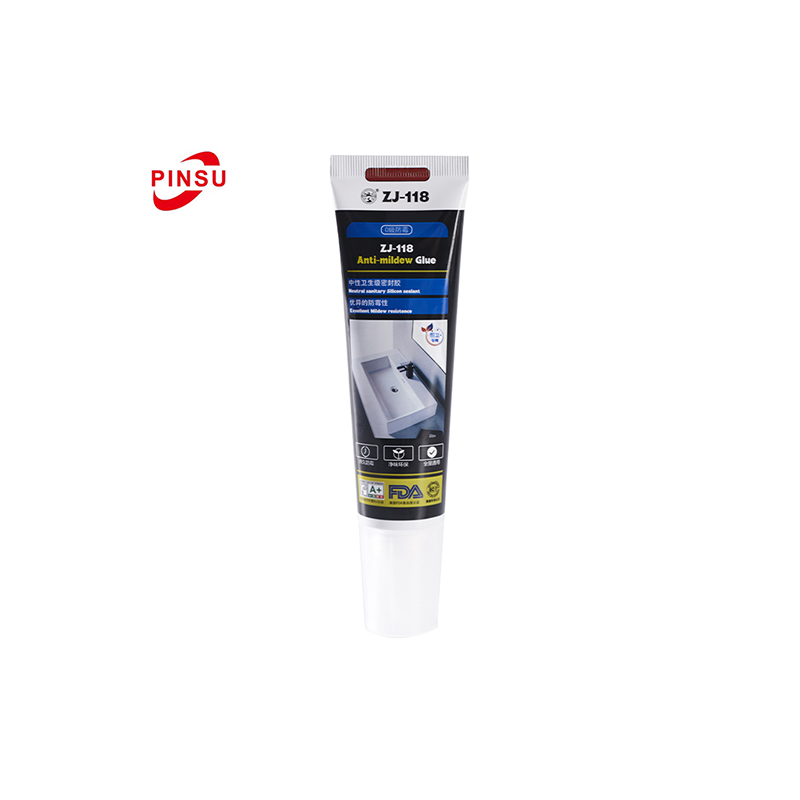
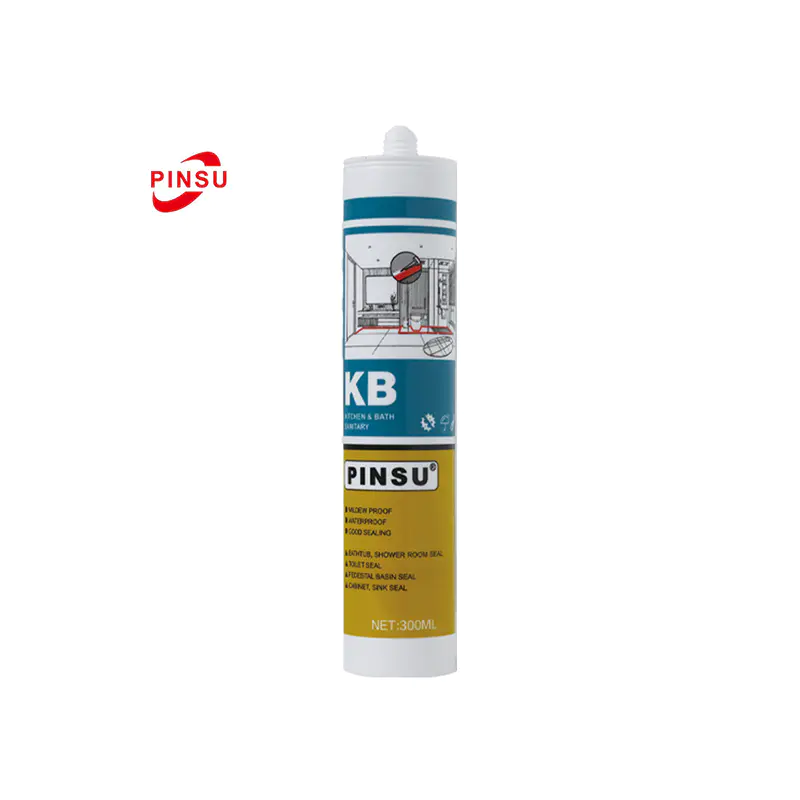
Anti fungal silicone sealant is a specialized sealing material formulated with antimicrobial additives that inhibit mold, mildew, and fungal growth in humid environments. Unlike standard silicone sealants, anti fungal formulations incorporate biocidal agents that prevent microbial colonization on the sealant surface — maintaining hygiene and appearance over the long term. A high-quality anti fungal silicone sealant delivers waterproof protection, strong adhesion to multiple substrates, and lasting flexibility, making it the preferred choice for bathrooms, kitchens, food processing facilities, healthcare environments, and industrial moisture-prone applications.
How Anti Fungal Silicone Sealant Works
Anti fungal silicone sealant combines the proven sealing performance of silicone with advanced antimicrobial technology. The sealant cures through a moisture-triggered condensation reaction — when exposed to atmospheric humidity, the silicone polymer crosslinks to form a durable, flexible rubber-like seal. Distributed throughout the sealant matrix are antifungal agents, typically silver-based compounds or organic biocides, which migrate to the surface over time to create a protective zone that inhibits fungal growth. This dual-action mechanism provides both a physical moisture barrier and a chemical defense against microbial colonization. A anti fungal silicone sealant maintains its mold-resistant properties for the life of the seal — providing long-term protection in environments where standard sealants would quickly develop unsightly black stains and require replacement.
1 Moisture-triggered curing
2 Flexible waterproof seal forms
3 Antifungal agents migrate to surface
4 Continuous mold inhibition
Key Benefits for Moisture-Prone Applications
Organizations and professionals who choose anti fungal silicone sealants realize significant advantages in hygiene maintenance, durability, and long-term cost savings. These sealants are engineered for environments where moisture and humidity create ideal conditions for fungal growth.
Superior Mold Resistance
Formulated with antimicrobial additives that continuously inhibit mold and mildew growth, maintaining a clean appearance and reducing the need for frequent replacement or cleaning.
Waterproof Protection
Creates a reliable moisture barrier that prevents water penetration into joints and substrates, protecting surrounding materials from water damage and degradation.
Strong Substrate Adhesion
Bonds effectively to a wide range of materials including glass, ceramic tile, porcelain, aluminum, stainless steel, concrete, and many plastics — ensuring lasting joint integrity.
Flexibility & Movement Resistance
Maintains elasticity over time, absorbing thermal expansion, contraction, and structural movement without cracking or losing adhesion — extending service life significantly.
Anti Fungal Silicone vs Standard Silicone Sealant
Selecting between anti fungal silicone sealant and standard silicone sealant depends on the exposure conditions and hygiene requirements. Anti fungal formulations are essential in environments where moisture and humidity create mold growth conditions.
| Feature | Anti Fungal Silicone | Standard Silicone |
| Mold Resistance | Excellent (antimicrobial additives) | Poor to none |
| Waterproof Performance | Excellent | Excellent |
| Hygiene Maintenance | Low maintenance | Frequent cleaning/replacement |
| Best Applications | Bathrooms, kitchens, food processing, healthcare | Dry interior applications |
| Service Life | 5–15 years | 3–7 years (humid environments) |
Choose anti fungal silicone sealant for any application where moisture, humidity, or hygiene requirements are concerns. In bathrooms, kitchens, food processing facilities, healthcare environments, and cleanrooms, standard sealants will develop mold stains within months — requiring costly replacement. Anti fungal sealants provide long-term protection and reduce maintenance frequency.
How to Select the Right Anti Fungal Silicone Sealant
When evaluating an anti fungal silicone sealant for your application, assess these critical specifications to match product capabilities with your performance requirements.
Application Environment
Consider exposure to water, humidity, temperature extremes, and chemical cleaning agents. Bathroom and kitchen applications require high waterproofing; food processing needs FDA-compliant formulations.
Substrate Materials
Identify all materials the sealant will contact — glass, ceramic, metal, plastic, concrete. Ensure the sealant formulation provides strong adhesion to each surface without causing staining or degradation.
Antifungal Rating
Verify the sealant's mold resistance certification. Premium anti fungal sealants achieve a rating of 0 (no mold growth) under ASTM G21 testing after 28 days of exposure.
Curing Time and Application
Consider skin-over time, full cure time, and application temperature. For fast-track projects, select formulations with rapid curing capabilities that allow early exposure to moisture.
Manufacturing and Quality Standards
Anti fungal silicone sealants are manufactured through a precision process that ensures consistent quality and performance. The production process involves polymer preparation, antifungal additive incorporation, filler dispersion, vacuum degassing, and packaging under controlled conditions. Quality testing includes mold resistance testing according to ASTM G21 or ISO 846 standards, adhesion testing, tensile strength measurement, elongation testing, and accelerated weathering testing. Premium anti fungal sealants comply with international standards including ASTM C920 for building sealants and FDA regulations for food contact applications.
Additive Technology
Silver-based antimicrobial agents for broad-spectrum protection
Organic biocides with proven mold resistance performance
Zinc-based additives for additional fungal inhibition
Physical Properties
Tensile strength: 1.5–2.5 MPa
Elongation at break: 300–600%
Shore A hardness: 20–40
Testing Standards
ASTM G21 — Mold resistance rating (0-4 scale)
ASTM C920 — Building sealant performance
ISO 846 — Antimicrobial activity testing
Real-World Performance Metrics
Understanding the performance characteristics of anti fungal silicone sealants helps in specifying the right product for demanding applications. The following metrics represent typical performance for premium anti fungal silicone sealants.
0
Mold growth rating (ASTM G21)
300–600
% elongation at break
−40–150
°C temperature resistance range
5–15
Year service life
Ideal Applications Across Industries
Anti fungal silicone sealant delivers optimal results in environments where moisture, humidity, and hygiene requirements are critical. These sealants are the standard choice for professional sealing applications that demand long-term mold resistance.
Bathrooms and washrooms: Shower enclosures, bathtub surrounds, sink joints, wall-to-floor transitions, and tile edges requiring permanent mold protection.
Kitchens and food preparation areas: Countertop-to-backsplash joints, sink seals, and food processing equipment where hygiene and easy cleaning are essential.
Healthcare facilities: Hospital rooms, surgical suites, laboratories, and cleanrooms requiring antimicrobial sealing solutions.
Food processing plants: Production areas, processing equipment, and facility joints where microbial contamination must be minimized.
Commercial buildings: Restroom facilities, kitchen areas, and moisture-prone building joints in hotels, restaurants, and office buildings.
Application and Maintenance Best Practices
Proper application of anti fungal silicone sealant is essential for achieving optimal performance and service life. The substrate must be clean, dry, and free from dust, grease, and old sealant residues. For best results, use a primer on porous surfaces. Apply the sealant with a caulking gun, ensuring full joint penetration. Tool the sealant immediately after application to ensure proper contact and adhesion. Allow the sealant to cure as per manufacturer's specifications before exposing to water or cleaning agents. Regular inspection and cleaning with mild soap and water maintain the sealant's appearance. Avoid using abrasive cleaners or bleach, which can degrade the sealant surface and reduce antifungal effectiveness. With proper application and care, anti fungal silicone sealant maintains its protective properties for 5–15 years.
How does anti fungal silicone sealant differ from regular silicone sealant?
Anti fungal silicone sealant contains antimicrobial additives that inhibit mold and mildew growth on the sealant surface. Regular silicone sealant lacks these additives and will develop black mold stains in humid environments. Anti fungal sealants maintain a clean appearance and require less frequent replacement.
Is anti fungal silicone sealant safe for food contact areas?
Yes, many anti fungal silicone sealants are formulated to meet FDA regulations for food contact applications. Always verify the product specification sheet to confirm FDA compliance for your specific application. These sealants are commonly used in commercial kitchens and food processing facilities.
Can anti fungal silicone sealant be used outdoors?
Yes, premium anti fungal silicone sealants are formulated for both indoor and outdoor applications. They offer UV resistance, weather resistance, and temperature stability from −40°C to 150°C. However, verify that the specific product is suitable for exterior use before application.
How often should anti fungal silicone sealant be replaced?
With proper application and maintenance, anti fungal silicone sealant provides 5–15 years of service life. Replacement is necessary when the sealant shows signs of cracking, loss of adhesion, or persistent mold growth that cannot be cleaned. Regular inspection helps identify replacement needs early.

 TOP
TOP