
 ENG
ENG
 English
 中文简体
中文简体 русский
 Español
 عربى
عربى
Introduction: Understanding PU Foam Sealant
In the ever-evolving world of construction, materials that enhance efficiency and provide reliable results are highly valued. One such material is PU foam sealant, a powerful tool for sealing gaps and cavities in construction projects. This one-component aerosol foam expands to fill gaps, hardens, and provides insulation and adhesion to various surfaces. Its versatility and efficiency have made it a go-to solution in both residential and industrial applications.
What Is PU Foam Sealant?
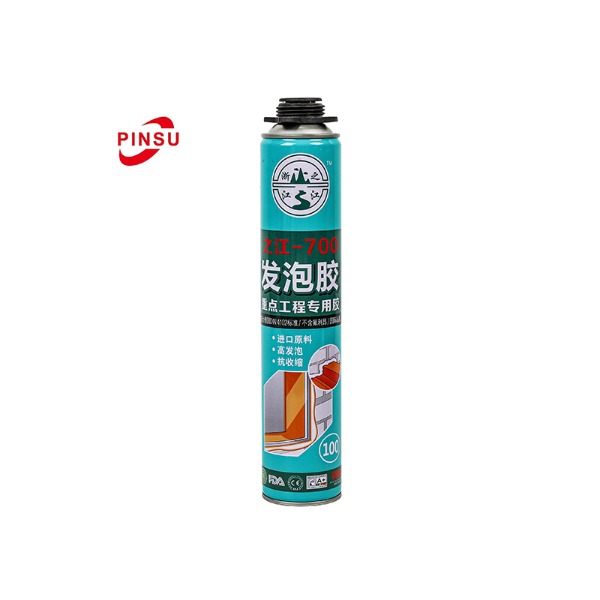
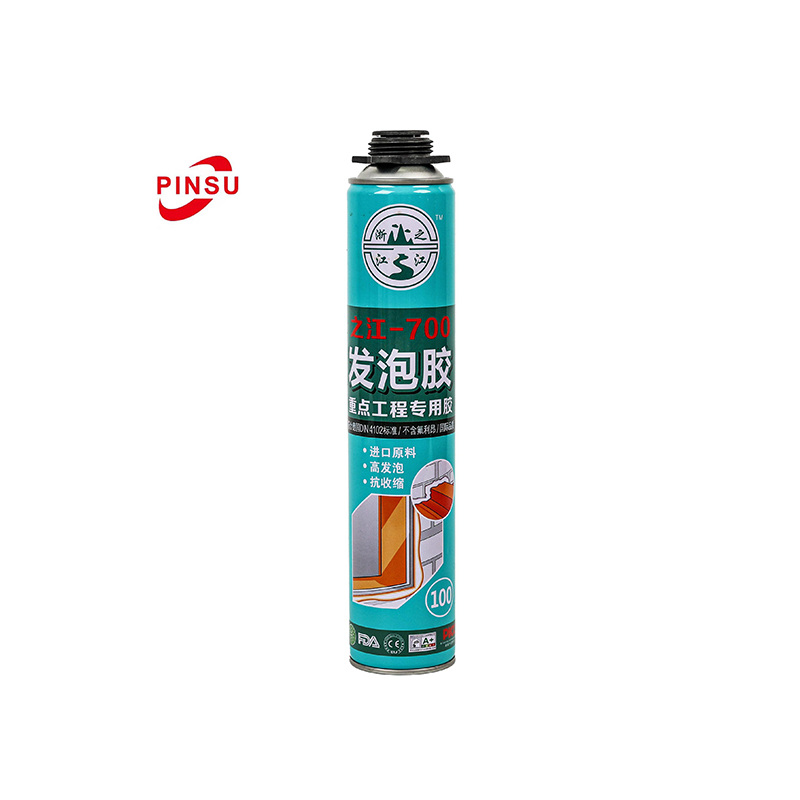
PU foam sealant is a polyurethane-based product, often used as an expanding foam for filling gaps and cracks in construction projects. It is typically supplied in an aerosol can, allowing for ease of application. The foam works by expanding when dispensed, filling the targeted cavity, and then hardening to form a solid seal.
Polyurethane foam (PU foam) is known for its ability to react with moisture in the air, causing it to expand rapidly. Once applied, it forms a strong, waterproof seal with thermal insulation properties, which helps to reduce heat loss, block drafts, and improve energy efficiency in buildings.
Core Properties of PU Foam Sealant:
- Expansion: Upon application, PU foam expands to several times its original volume, filling voids, gaps, and cavities with ease.
- Adhesion: It adheres well to a variety of surfaces including wood, concrete, metal, and masonry.
- Waterproofing: Once cured, PU foam forms a durable, waterproof barrier that is resistant to water ingress.
- Thermal Insulation: PU foam also provides thermal resistance, which can help maintain energy efficiency within buildings.
- Elasticity and Stability: The foam maintains its properties under a wide range of temperatures, making it suitable for both indoor and outdoor use.
How Does PU Foam Sealant Work?
PU foam sealant works through a chemical reaction with the moisture in the air. When released from the can, the foam expands, filling any gap or cavity it is applied to. As it cures, the foam solidifies and forms a rigid, durable seal that resists environmental factors like moisture, temperature fluctuations, and air movement.
Here’s a breakdown of the steps in the foam’s application process:
- Preparation: The surface to which the foam will be applied should be clean and free of any loose debris, dust, or grease to ensure good adhesion.
- Application: PU foam is sprayed directly into the cavity. The can should be shaken well before use to ensure proper mixing of the foam’s components.
- Expansion: Upon contact with the air, the foam begins to expand. This is a crucial feature because it allows the foam to fill gaps and irregular spaces thoroughly.
- Curing: Over time, the foam cures and hardens into a solid, durable, and elastic mass. It is fully hardened within a few hours, depending on the ambient moisture levels and temperature.
Applications of PU Foam Sealant in Construction
PU foam sealant is incredibly versatile and finds applications across a wide range of construction projects. Here are some common uses of PU foam sealant:
-
Sealing Gaps in Walls and Floors: One of the primary uses of PU foam sealant is to fill gaps between walls and floors, especially in areas where drafts or moisture might enter. This helps improve energy efficiency by minimizing heat loss and preventing cold spots.
-
Filling Cavities Around Pipes: In both residential and commercial buildings, PU foam is used to seal gaps around pipes. This not only prevents heat loss but also provides a barrier against sound and moisture, which is particularly useful in plumbing installations.
-
Windows and Door Frames: PU foam sealant is often used in the installation of windows and door frames to seal any gaps between the frame and the surrounding structure. This improves insulation, reduces noise, and prevents water ingress.
-
Roof and Ceiling Insulation: The foam can be sprayed into cavities between roof beams or within the ceiling to enhance thermal insulation. By preventing air leaks, it contributes to the overall energy efficiency of the building.
-
Industrial and Construction Sites: In industrial settings, PU foam sealant is used to fill cracks in machinery, structural elements, and foundations. It helps in soundproofing and preventing water damage in critical areas.
Advantages of PU Foam Sealant
There are several advantages of using PU foam sealant in construction projects. Some of the key benefits include:
High Adhesion: The sealant adheres firmly to a variety of building materials, ensuring a reliable and durable seal.
Ease of Application: The aerosol format allows for quick and easy application, reducing labor time and improving overall efficiency.
Cost-Effective: Compared to traditional sealants and insulation methods, PU foam is a cost-effective solution due to its expanding properties, which reduce the amount of material needed.
Improved Energy Efficiency: By effectively sealing gaps, PU foam helps maintain a building’s temperature, reducing heating and cooling costs.
Durability: Once cured, PU foam forms a robust and long-lasting barrier that resists wear and tear, even in harsh environmental conditions.
Limitations of PU Foam Sealant
While PU foam sealant is highly effective, it does have some limitations:
UV Degradation: When exposed to direct sunlight for extended periods, PU foam can degrade, losing its elasticity and protective properties. For outdoor applications, a protective coating or paint may be needed.
Over-expansion: In some cases, PU foam may expand excessively, which can cause it to push against surrounding materials. It’s important to apply the foam carefully and allow it to expand in controlled quantities.
Comparing PU Foam Sealant with Other Gap Filling Solutions
While PU foam is a choice for many applications, there are other sealing options available. These include silicone sealants, acrylic sealants, and latex-based sealants. Each has its advantages and disadvantages depending on the application.
| Sealant Type | Advantages | Disadvantages | Best For |
|---|---|---|---|
| PU Foam Sealant | Expanding, adhesion, waterproofing | UV degradation, excessive expansion | Filling large gaps, thermal insulation |
| Silicone Sealant | Water-resistant, flexible, durable | Less effective in filling large gaps | Bathrooms, kitchens, and weatherproofing |
| Acrylic Sealant | Paintable, easy to clean, low cost | Less durable than PU foam | General sealing for doors and windows |
| Latex Sealant | Quick drying, non-toxic, easy to apply | Not suitable for temperatures | Indoor applications, easy maintenance |
FAQ
1. What is the difference between PU foam sealant and regular sealants?
PU foam sealant expands upon application, filling larger gaps and providing insulation, while regular sealants do not expand and are primarily used for smaller cracks and joints.
2. Is PU foam sealant waterproof?
Yes, once fully cured, PU foam sealant forms a waterproof barrier, making it ideal for sealing areas exposed to moisture.
3. Can PU foam sealant be used outdoors?
Yes, but it may degrade with prolonged UV exposure. For outdoor use, it is recommended to apply a protective coating or paint.
4. How long does it take for PU foam sealant to cure?
The curing time can vary depending on temperature and humidity but generally takes 1-8 hours to fully harden.
In conclusion, PU foam sealant is a versatile, efficient, and cost-effective solution for sealing gaps in construction projects. Its expanding properties, strong adhesion, and insulation capabilities make it an invaluable tool for improving energy efficiency and enhancing the overall integrity of a building.

 TOP
TOP