PINSU-8000 Non-Toxic Two-Component Structural Sealant For Building Curtain Walls Industry Knowledge
What Makes Two-Component Structural Sealants Essential for Modern Construction and Engineering?
Two-component structural sealants have become a cornerstone in the construction and engineering industries, offering solutions that are both efficient and durable for a wide range of applications. These versatile products are engineered to meet the demands of high-performance sealing and bonding, particularly in environments where long-lasting adhesion and resistance to the elements are crucial.
What is a Two-Component Structural Sealant?
A two-component structural sealant is a type of adhesive that consists of two separate components: a base (Component A) and a curing agent or hardener (Component B). These components are mixed together before application, initiating a chemical reaction that causes the sealant to cure and form a solid, strong bond. This type of sealant is used in applications where structural strength, durability, and resistance to environmental factors are critical. Two-component structural sealants are widely used in glass, metal, and curtain wall systems, among others.
Key Features of Two-Component Structural Sealants
Two-component structural sealants offer several critical advantages that make them ideal for high-demand applications. Below are the key features of these products:
| Feature |
Explanation |
| High Bonding Strength |
Offers exceptional adhesion to a variety of substrates, including glass, metals, and stone, without requiring a primer. |
| Neutral-Curing |
Unlike acetic cure sealants, two-component structural sealants cure without releasing any harmful by-products, making them safer for use in sensitive environments. |
| Weather and UV Resistance |
Resists the effects of UV light, extreme temperatures, and weather, maintaining bond integrity over time. |
| Flexibility |
Maintains its flexibility even after curing, allowing it to withstand movements and shifts in the materials it bonds. |
| Low VOCs |
Designed to meet environmental standards by emitting low levels of volatile organic compounds (VOCs), making them more environmentally friendly. |
Applications of Two-Component Structural Sealants
Two-component structural sealants are used across multiple industries, with applications that span a wide array of construction and engineering projects. These sealants are particularly popular in the following areas:
1. Building Curtain Walls
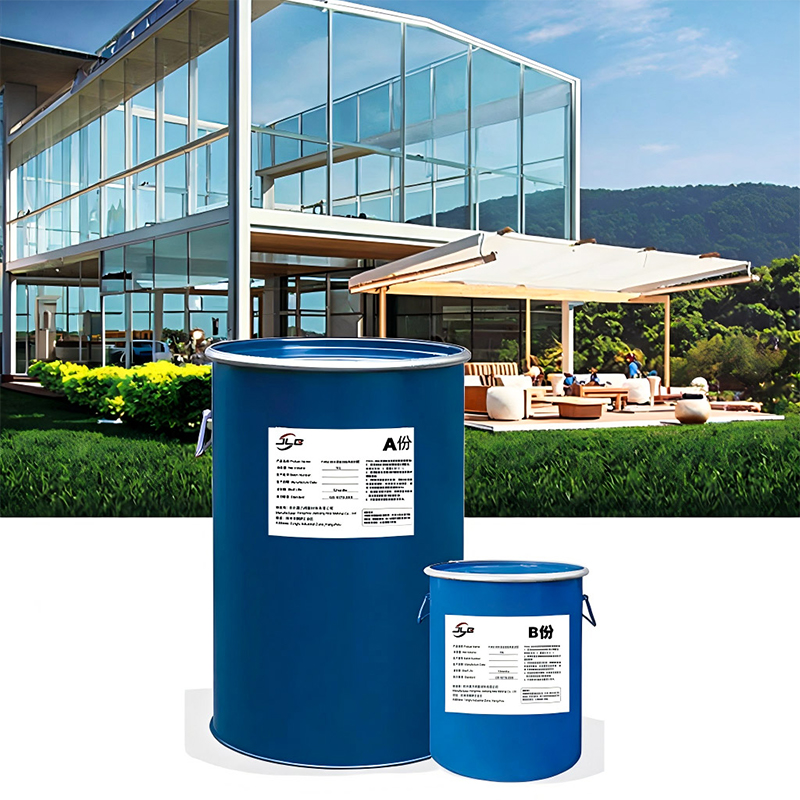
- Use: Two-component structural sealants are essential for assembling glass curtain walls in commercial and residential buildings. Their ability to provide a strong, weather-resistant bond ensures that glass panels remain securely in place, even in extreme conditions.
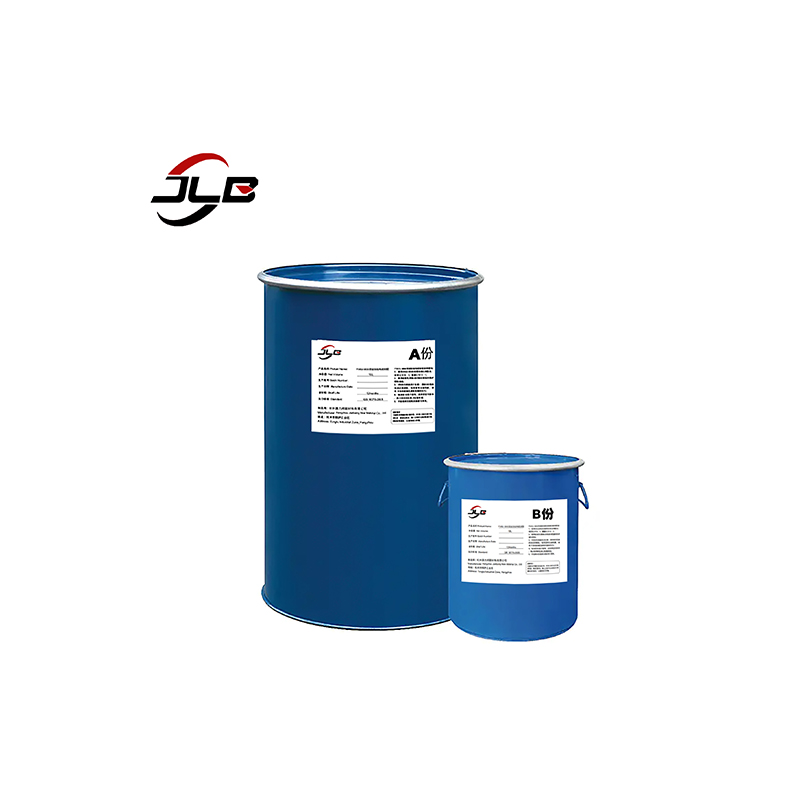
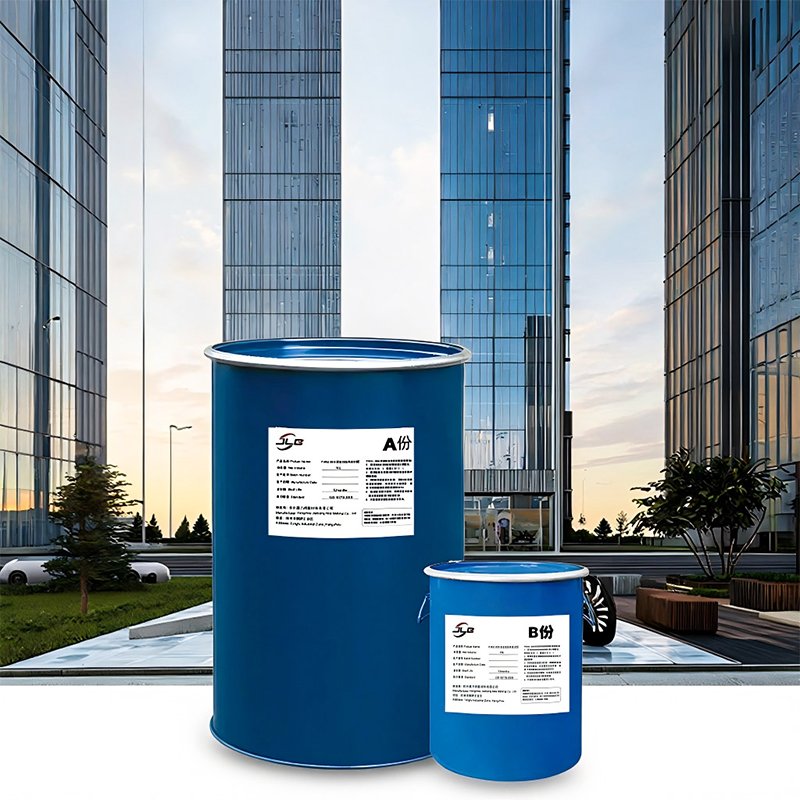
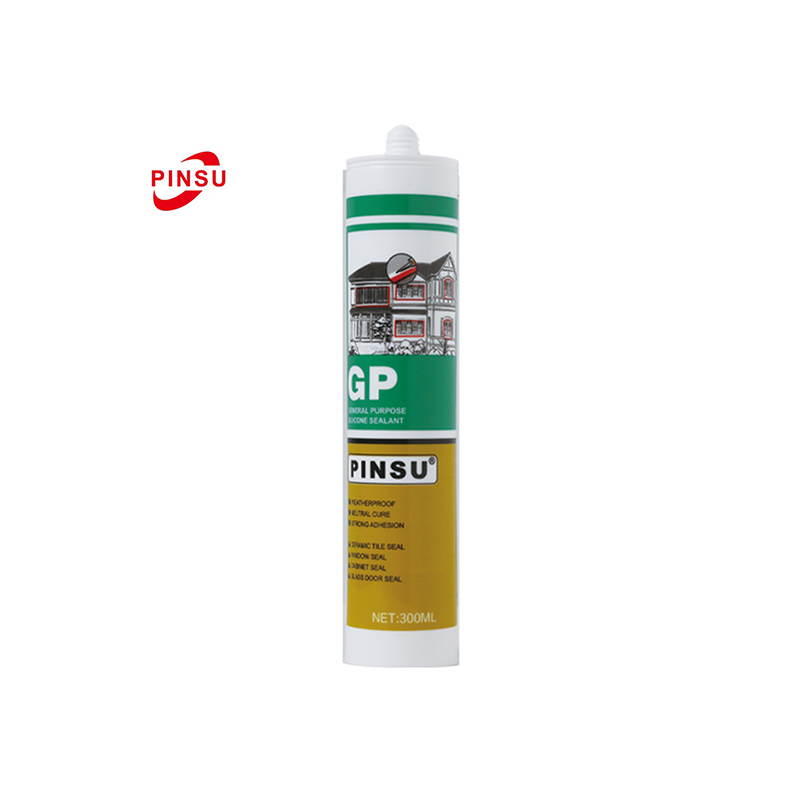
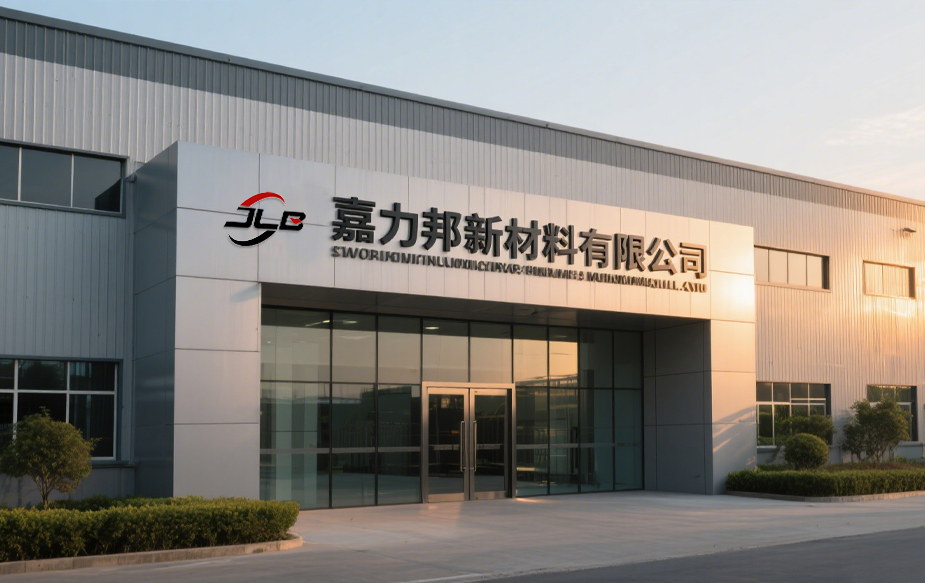
- Example Product: PINSU-8000, developed by Hangzhou Jialibang New Materials Co., Ltd., is a neutral-curing, high-modulus silicone structural glass sealant specifically designed for curtain walls. It provides rapid curing and high bonding strength without the need for a primer.
2. Insulating Glass
- Use: These sealants are used for secondary sealing in insulating glass systems, where they help maintain the structural integrity and thermal efficiency of the glass.
- Example Product: The PINSU-8000 is used extensively in high-performance insulating glass applications, offering both deep curing and durable bonding, which are critical for maintaining insulation properties.
3. Aluminum Curtain Walls and Metal Structures
- Use: Two-component sealants are commonly employed for sealing aluminum curtain walls and metal structures, offering both aesthetic and functional performance by bonding different materials securely and resistively.
- Example Product: Hangzhou Jialibang's products are particularly known for their strength and flexibility in bonding aluminum and metal parts, enabling long-lasting construction solutions.
4. Automotive and Aerospace Applications
- Use: In these industries, two-component structural sealants provide essential bonding solutions for components that must withstand extreme temperatures and mechanical stresses.
5. Marine and Offshore Structures
- Use: Due to their resistance to water, UV radiation, and corrosion, these sealants are frequently used in marine environments for sealing and bonding parts exposed to harsh weather conditions.
Benefits of Two-Component Structural Sealants
The advantages of two-component structural sealants extend beyond mere bonding. Here are the key benefits of using these materials in modern construction and industrial applications:
- Enhanced Durability: Two-component sealants provide lasting performance even under adverse environmental conditions, including temperature fluctuations, moisture, and UV exposure.
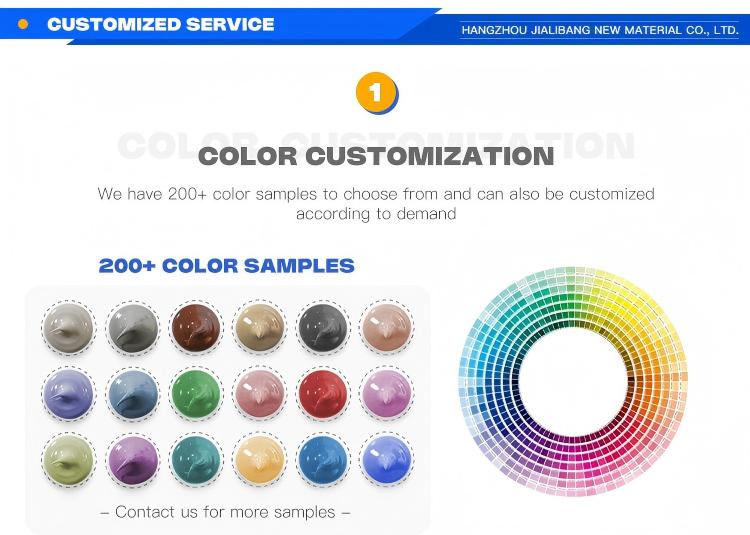
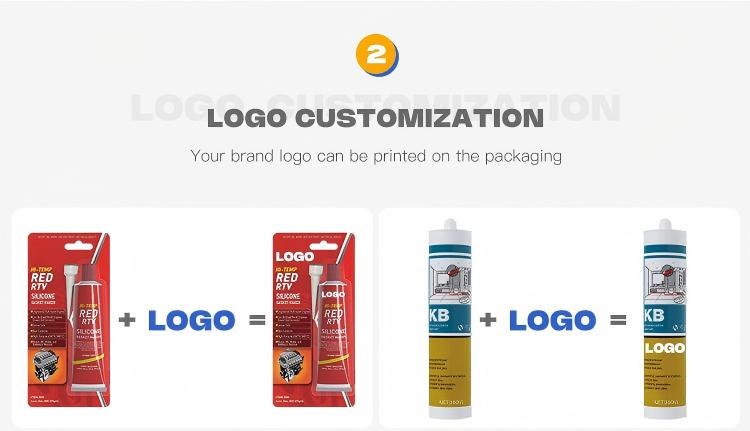
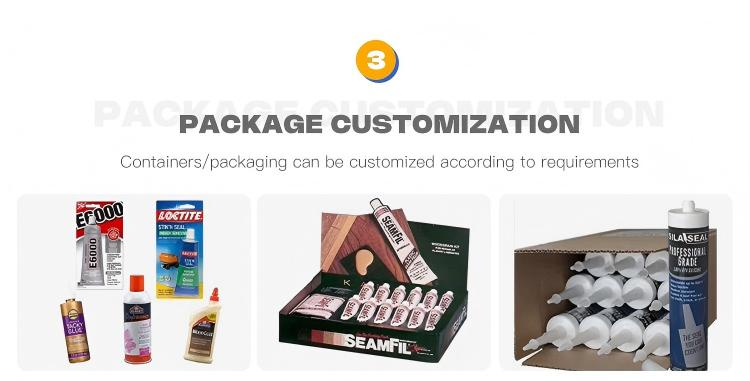
- Customizable Solutions: Hangzhou Jialibang New Materials Co., Ltd. offer customized solutions, tailoring products to meet the specific requirements of different applications, from color to material selection.
- Improved Efficiency: These sealants are ideal for high-speed production environments where speed, precision, and repeatability are critical. Automated production lines ensure a consistent product with minimal variation.
- Global Availability: Leading companies have established a robust global supply chain, enabling them to offer agile services to partners across more than 30 countries, ensuring quick delivery and responsive support.
Comparison of Two-Component Structural Sealants with Other Sealant Types
When selecting the right sealant for a project, it is essential to understand how two-component structural sealants compare to other types, such as single-component or reactive sealants.
| Sealant Type |
Advantages |
Limitations |
| Two-Component Sealants |
- Superior bonding strength
- Excellent weather and UV resistance
- Customizable
- High flexibility |
- Requires mixing before use
- Shorter working time |
| Single-Component Sealants |
- Ready-to-use
- Easier application
- Longer working time |
- Weaker bond strength
- Limited flexibility |
| Reactive Sealants (e.g., Polyurethane) |
- Excellent adhesion to a variety of materials
- Self-curing properties |
- More sensitive to environmental factors
- May require surface preparation |
FAQ
1. What are the key benefits of two-component structural sealants?
- Two-component structural sealants offer exceptional bonding strength, weather resistance, and flexibility. They are ideal for high-performance applications like glass curtain walls and insulating glass.
2. Can two-component sealants be customized for specific needs?
- Yes, many manufacturers, such as Hangzhou Jialibang, offer customized solutions to meet the specific needs of customers, from color to material selection.
3. How do two-component structural sealants compare to other types of sealants?
- Two-component sealants typically offer stronger bonding and better environmental resistance compared to single-component or reactive sealants.
4. What are the applications of two-component structural sealants?
- These sealants are widely used in the construction of curtain walls, insulating glass, and metal structures, as well as in the automotive, aerospace, and marine industries.
5. How do two-component sealants perform in extreme environmental conditions?
- Two-component structural sealants are designed to withstand extreme temperatures, moisture, and UV exposure, ensuring long-lasting performance even in challenging environments.
Conclusion
Two-component structural sealants have proven themselves to be essential materials in construction, automotive, aerospace, and other high-performance industries. With their high bonding strength, weather resistance, and customization options, these sealants are setting new standards for reliability and efficiency in structural bonding.

 ENG
ENG
 English
 中文简体
中文简体 русский
 Español
 عربى
عربى


 TOP
TOP