
 ENG
ENG
 English
 中文简体
中文简体 русский
 Español
 عربى
عربى
Understanding Polyurethane Foam as a Building Material
Polyurethane foam has become one of the most widely used materials in construction and renovation for closing gaps, blocking drafts, and adding insulation value to structures. When two chemical components mix and react, they expand into a semi-rigid cellular material that fills irregular spaces far more effectively than rigid materials like wood strips or rubber gaskets. This expansion behavior is the defining trait of PU foam sealant, and it explains why the material shows up everywhere from window installation to plumbing penetrations.
Unlike caulks that simply sit on a surface, foam physically occupies three-dimensional voids. This matters because most real-world gaps are not clean, uniform slots. They are irregular openings around pipes, uneven wall cavities, or gaps left after door and window framing. A material that can expand into those shapes without requiring precise measurement offers a practical advantage that has driven decades of adoption across residential and commercial building sites.
How PU Foam Gap Filler Actually Works
The working mechanism behind PU foam gap filler is a chemical reaction between polyol and isocyanate components. When these mix, carbon dioxide gas is released as a byproduct, creating thousands of small bubbles throughout the liquid mixture. As the reaction progresses, the material transitions from liquid to a foam structure and finally cures into a solid but flexible cellular mass.
This process typically unfolds in stages:
- Initial mixing and expansion, usually completed within a few minutes of application
- Skin formation on the outer surface, which occurs faster than the internal cure
- Full internal curing, which can take anywhere from several hours to over a day depending on ambient humidity and temperature
- Final trimming and finishing once the foam has reached stable rigidity
Humidity plays an outsized role in cure speed because atmospheric moisture participates directly in the chemical reaction. In drier climates or during winter months, foam can take noticeably longer to cure fully, which is why many applicators lightly mist a surface with water before applying foam in low-humidity conditions.
Types of Expanding Foam and Their Applications
Not all expanding foam products serve the same purpose. Formulations vary based on expansion ratio, density, and intended application, and choosing incorrectly can lead to structural issues such as window frame bowing or insufficient gap coverage.
| Foam Type | Expansion Behavior | Primary Use Case |
|---|---|---|
| Low expansion foam | Minimal post-application growth | Window and door frames where distortion must be avoided |
| High expansion foam | Significant volume increase | Large cavity filling, attic gaps, open wall voids |
| Fire rated polyurethane foam | Controlled expansion with fire-resistant additives | Fire-stopping around penetrations and compartment walls |
| Gun grade foam | Precise, controlled dispensing | Professional installation requiring accuracy |
| Straw applicator foam | General purpose expansion | Small DIY gaps and minor repairs |
Selecting between these depends heavily on the structural context. A frame that can shift under expansion pressure, such as a new window unit, generally requires a low expansion formulation. Larger open cavities, by contrast, benefit from higher expansion products that reduce material consumption while still achieving full coverage.
Application Process for Cavity Filling Foam
Proper application technique has a measurable impact on foam performance. Manufacturers commonly report that improper technique, rather than product defects, accounts for the majority of field complaints related to gaps, voids, or excessive overflow.
Standard Application Steps
- Clean the target surface of dust, oil, and loose debris
- Lightly dampen the surface if ambient humidity is low
- Shake the canister thoroughly before use to ensure proper component mixing
- Apply foam in a slow, controlled bead, filling only about one-third to one-half of the cavity depth
- Allow the foam to expand fully before adding additional layers
- Trim excess cured foam once it has hardened
Overfilling is one of the most frequent errors during application. Because polyurethane foam can expand several times its liquid volume, filling a cavity completely before expansion begins often results in foam pushing outward, warping surrounding materials, or creating uneven surfaces that require extensive trimming.
Visualizing the Foam Curing Timeline
The following diagram illustrates the general timeline from application to full cure, which helps applicators plan follow-up work such as trimming or painting.
Performance Characteristics: Insulation, Sealing, and Durability
Thermal Insulation Value
One of the most cited advantages of foam-based gap fillers is their contribution to thermal performance. Because the cured material contains a high proportion of trapped gas cells, it resists heat transfer significantly better than solid fillers of comparable thickness. This makes insulation foam sealant products particularly valuable around window frames, electrical penetrations, and rim joists where conductive heat loss commonly occurs.
Air Sealing Performance
Air leakage through small gaps is a major contributor to energy loss in buildings. Field studies on building envelope performance have repeatedly identified gaps around penetrations and framing as disproportionately large contributors to overall air infiltration relative to their size. Expanding foam addresses this by conforming tightly to irregular surfaces, eliminating the small channels that allow air movement.
Moisture Resistance
Cured polyurethane foam has a closed-cell or semi-closed-cell structure depending on formulation, which provides a degree of water resistance. However, foam is not inherently designed as a standalone waterproofing membrane. In applications with direct water exposure, foam is typically paired with a separate weatherproofing layer rather than relied upon alone.
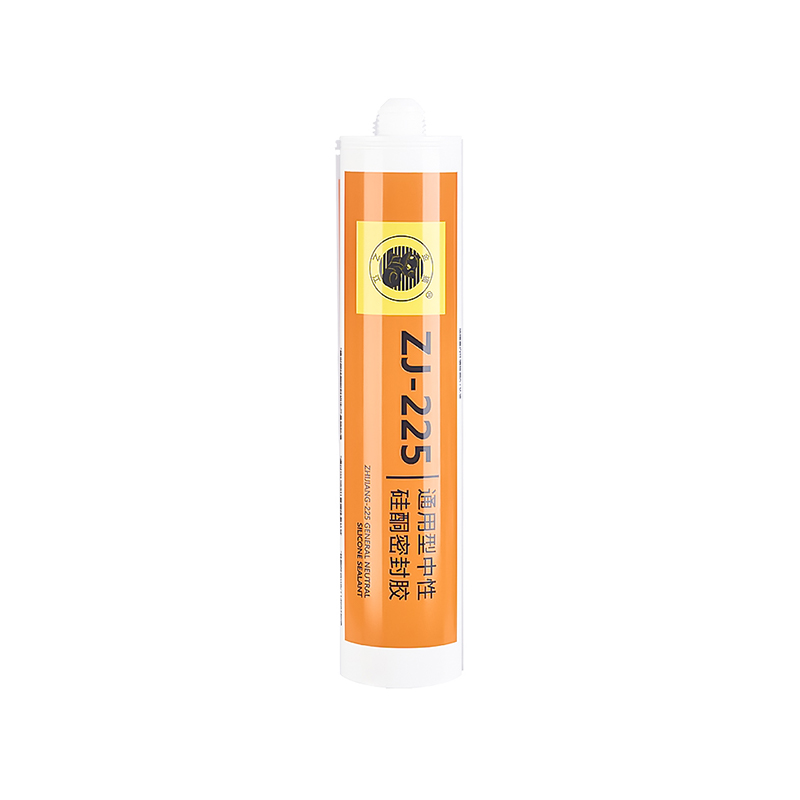
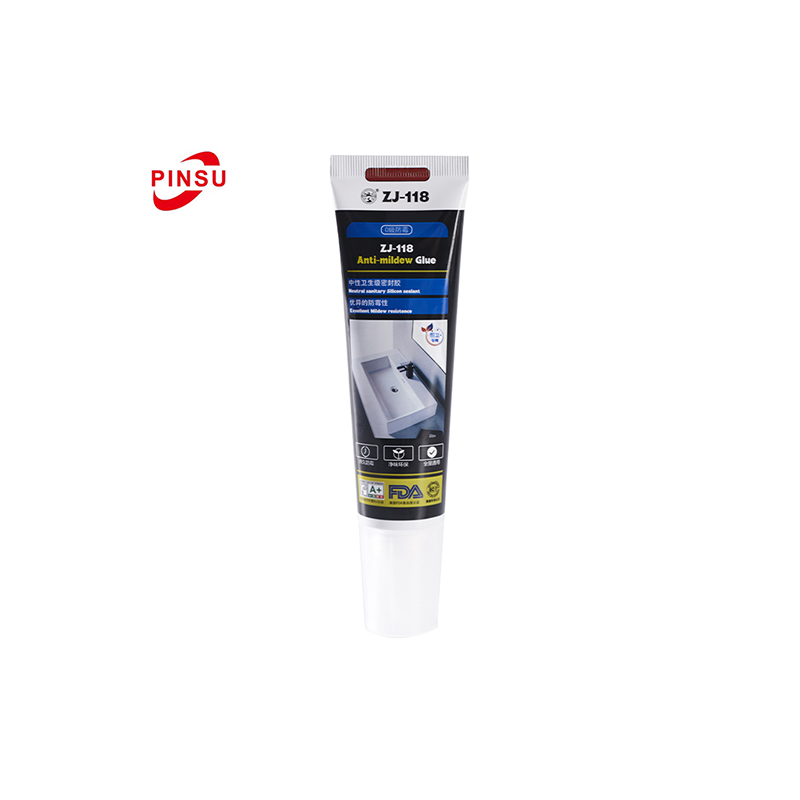
PU Foam Versus Silicone Sealant: Choosing the Right Material
A common point of confusion is when to use expanding foam versus a flexible sealant such as silicone. The two materials serve different structural roles and are not interchangeable in most applications.
| Property | Polyurethane Foam | Silicone Sealant |
|---|---|---|
| Volume Expansion | Significant | None |
| Best Use | Filling voids and cavities | Sealing joints and seams |
| Flexibility After Cure | Semi-rigid | Highly flexible |
| Paintability | Generally paintable | Often not paintable |
| Typical Gap Size | Larger, irregular voids | Narrow, consistent joints |
In practice, many professional installations use both materials together. Foam fills the bulk of a cavity for insulation and structural gap closure, while a bead of sealant is applied over the finished surface to manage minor movement and provide a weather-resistant finish.
Fire Rated Foam and Compliance Considerations
Standard expanding foam is combustible and is not suitable for use in fire-rated assemblies without proper certification. Fire rated polyurethane foam formulations include additives that slow flame spread and limit smoke development, allowing them to be used in applications such as firestopping around cable penetrations, compartment wall gaps, and certain multi-unit residential separations.
Building codes in many jurisdictions require documentation showing that a fire-rated product has been tested to a recognized fire resistance standard for the specific assembly type. Specifiers should confirm rating documentation before using foam in any application where fire compartmentalization is a code requirement, since general-purpose foam does not meet these standards.
Longevity and Degradation Factors
Cured polyurethane foam is generally durable when protected from prolonged ultraviolet exposure, which causes the outer surface to become brittle and discolored over time. Foam that will remain visible outdoors typically requires a protective coating such as paint, caulk, or trim covering to extend its service life.
- Interior applications shielded from sunlight can remain stable for many years
- Exposed exterior foam without protective coating tends to degrade at the surface within a relatively short period
- Foam subjected to repeated mechanical flexing may develop micro-cracks over time
- Extreme temperature cycling can accelerate surface embrittlement in unprotected installations
For this reason, most installation guidelines recommend treating cured foam as a structural filler rather than a finished surface, with a separate weatherproof layer applied over any exposed sections.
Guidance for Selecting a Supplier
Buyers sourcing from polyurethane foam gap filler manufacturers or evaluating a Polyurethane Foam Gap Filler Supplier should look beyond price alone. Consistency in expansion ratio, cure time, and cell structure across production batches affects installation predictability on job sites, particularly for contractors working across multiple properties where uniform results matter.
Key evaluation criteria include:
- Consistency of expansion ratio between production batches
- Availability of technical data sheets covering cure time and density
- Fire rating certification where applicable to the intended use
- Shelf life and storage requirements for the specific formulation
- Compatibility with common dispensing guns and applicator equipment
Frequently Asked Questions
Q1: What is polyurethane foam gap filler?
It is a two-component chemical foam that expands after application to fill irregular gaps and cavities, commonly used around window frames, pipe penetrations, and wall voids for sealing and insulation purposes.
Q2: How does polyurethane foam gap filler work?
A chemical reaction between the foam components releases gas that creates expansion, allowing the liquid material to grow into a cellular solid that conforms to the shape of the surrounding cavity before curing.
Q3: Is polyurethane foam waterproof?
Cured foam offers a degree of water resistance due to its cellular structure, but it is not a substitute for a dedicated waterproofing membrane and is typically paired with additional weatherproofing in exposed applications.
Q4: How long does expanding foam last?
When protected from direct sunlight and moisture, cured foam can remain structurally stable for many years. Unprotected exterior exposure to ultraviolet light accelerates surface degradation and generally shortens service life.
Q5: Can polyurethane foam stop air leaks?
Yes, its ability to expand into irregular gaps makes it effective at closing the small channels responsible for air infiltration around penetrations and framing, which is a common source of energy loss in buildings.
Q6: What is the difference between PU foam and silicone sealant?
PU foam expands to fill larger, irregular voids and provides insulation value, while silicone sealant remains flexible and is designed for narrow, consistent joints rather than bulk cavity filling.

 TOP
TOP