
 ENG
ENG
 English
 中文简体
中文简体 русский
 Español
 عربى
عربى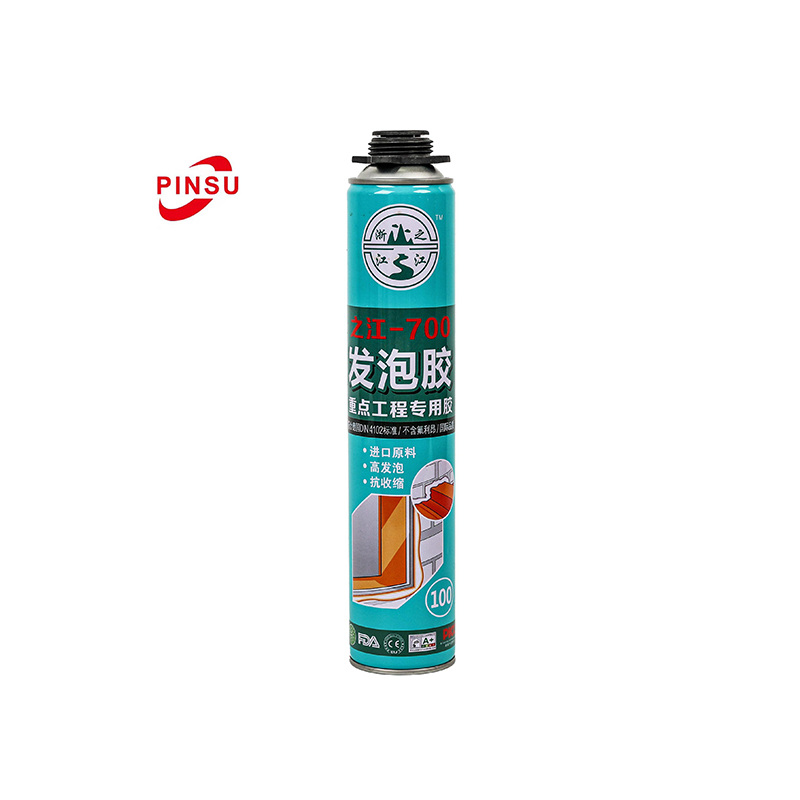
Introduction RTV (Room Temperature Vulcanizing) silicone gasket makers are among the most versatile and reliable sealing products used in both automotive and in...
READ MORE
REQUEST A QUOTE
PU Foam Sealant, Polyurethane Foam Gap Filler Manufacturers
Polyurethane foaming agent is a one-component/two-component chemical expansion material that generates closed-cell foam plastics through polymerization reaction. It is widely used in filling, sealing, and insulation fields in the construction, automobile, refrigeration, and other industries. Its expansion volume can reach 30-50 times that of the original liquid, and after curing, it forms a lightweight and high-strength foam structure.
About Us
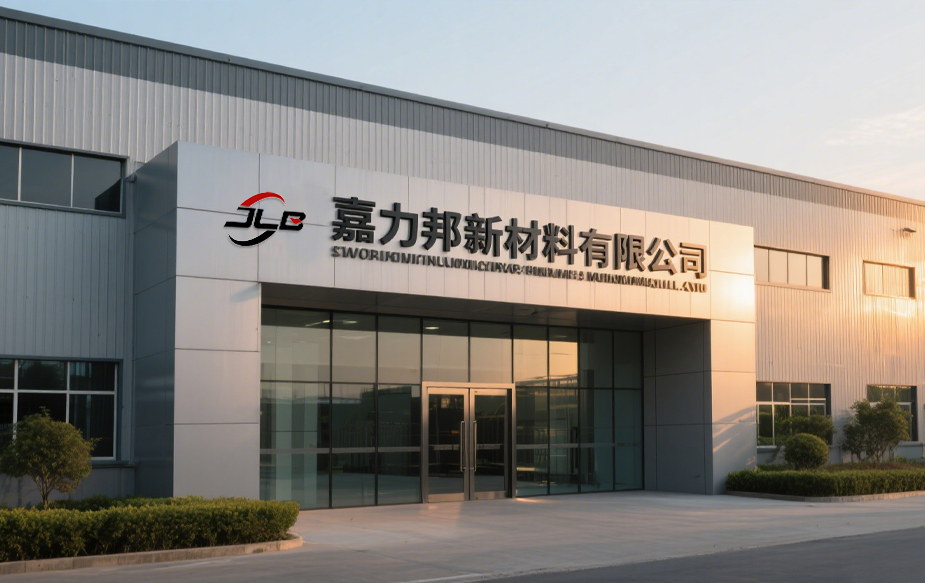
Hangzhou Jialibang New Materials Co., Ltd.
With over 20 years of experience, JIALIBANG specializes in high-performance sealants and adhesives. We are China PU Foam Sealant Manufacturers and Wholesale Polyurethane Foam Gap Filler Factory. Our product lines, including silicone sealants, RTV gasket makers, and epoxy AB glues, are trusted in construction, automotive, electronics, and PV sectors. Certified to international standards, we offer full OEM/ODM services tailored to global industrial needs.
News
-
-
Introduction In modern industry, construction, and home renovation, High-performance Sealants/Adhesives play an indispensable role. They not only provide strong...
READ MORE -
Selecting the correct joining technology for industrial assemblies is a critical decision that impacts reliability, maintenance costs, and product lifespan. Amo...
READ MORE -
Maintaining a clean and hygienic home environment often comes down to the smallest details. In areas frequently exposed to moisture, such as bathrooms and kitch...
READ MORE
Message Feedback
PU Foam Industry knowledge
Comprehensive Guide to PU Foam Sealant and Polyurethane Foam Gap Filler Applications
Introduction to Polyurethane Foam Technology
In the construction and industrial sectors, the demand for efficient insulation and sealing materials is constantly rising. PU Foam Sealant has become an industry standard due to its unique expansion properties and versatile application. This material is essentially a polymer created by the reaction of diisocyanates with polyols, resulting in a structure that expands to fill gaps and cure into a rigid foam.
Hangzhou Jialibang New Materials Co., Ltd., leveraging over 20 years of experience in high-performance sealants, has developed advanced formulations for Polyurethane Foam Gap Filler products. These solutions are trusted globally in construction, automotive, and electronics sectors for their reliability and superior performance in thermal insulation and acoustic dampening.
The Expansion Mechanism and Closed-Cell Structure
The primary advantage of PU Foam Sealant lies in its expansion mechanism. Upon release from the canister, the propellant evaporates, and the chemical reaction generates gas bubbles within the polymer matrix. This process allows the foam to expand significantly, typically by 30 to 50 times its liquid volume, ensuring deep penetration into cracks and voids.
Benefits of Closed-Cell Structure
High-quality foam fillers from reputable manufacturers like JIALIBANG feature a closed-cell structure. This means the gas bubbles within the foam are not interconnected. This structure is critical for:
- Thermal Insulation: Trapping gas within the cells prevents heat transfer.
- Moisture Resistance: Closed cells prevent water absorption, protecting structures from dampness.
- Structural Rigidity: Providing a solid fill that adds mechanical strength to the assembly.
Technical Parameters for Window and Door Installation
When selecting a Polyurethane Foam Gap Filler for window and door installations, understanding technical specifications is vital for ensuring longevity and energy efficiency. Incorrect selection can lead to air leakage or structural instability.
| Parameter | Typical Value | Importance |
| Expansion Ratio | 30x - 50x liquid volume | Determines the yield and ability to fill deep cavities. |
| Tack-Free Time | 10 - 20 minutes | Indicates when the foam surface stops being sticky; crucial for workflow speed. |
| Cutting Time | Approx. 60 minutes | The time after which the cured foam can be trimmed or painted. |
| Density | 15 - 25 kg/m³ | Higher density generally implies better insulation and mechanical strength. |
| Service Temperature | -30°C to +80°C | The range within which the foam maintains its physical properties. |
| Fire Rating | B2 / B3 Class | Indicates combustibility; B2 is normally flammable, B3 is easily flammable. |
Fire Safety Standards and Ratings
Safety is a paramount concern in construction. PU Foam Sealant products are classified based on their reaction to fire. Most standard grades fall into class B3 (easily flammable), while specialized formulations achieve class B2 (normally flammable) or higher.
Hangzhou Jialibang ensures that its Polyurethane Foam Gap Filler products adhere to strict international safety certifications. For applications requiring enhanced fire resistance, such as commercial buildings or industrial facilities, selecting a B2-rated product is often mandatory. JIALIBANG provides full OEM/ODM services to tailor these formulations according to specific regional fire safety regulations.
Durability and Dimensional Stability
One common issue with low-quality foam fillers is post-cure shrinkage. Dimensional stability refers to the foam's ability to retain its volume and shape after curing without shrinking or cracking. Shrinkage can create new gaps, compromising the seal.
JIALIBANG utilizes premium raw materials and rigorous quality control processes to ensure their PU Foam Sealant exhibits excellent dimensional stability. With a density range typically between 15 and 25 kg/m³, their products provide a robust, long-lasting seal that withstands thermal cycling and mechanical vibration, making them suitable for both construction and automotive industries.
Synergistic Use with Other Sealants
While Polyurethane Foam Gap Filler is exceptional for filling large voids, it is often used in conjunction with other sealants for a complete sealing solution. For instance, after filling a large gap around a window frame with foam, a layer of silicone sealant can be applied over the cured foam to provide a weatherproof and UV-resistant finish.
Hangzhou Jialibang offers a comprehensive product portfolio, including silicone sealants, RTV gasket makers, and epoxy AB glues. This allows contractors to source all their sealing and bonding materials from a single, experienced supplier, ensuring compatibility and performance across the entire assembly.
FAQ
Is PU Foam Sealant waterproof after it cures?
PU Foam Sealant is water-resistant rather than completely waterproof. The closed-cell structure of high-quality foam, like that produced by Hangzhou Jialibang, prevents the passage of liquid water through the bulk of the foam, making it an excellent barrier against rain and moisture. However, the surface of the foam can be porous. For applications exposed to direct water pressure or outdoor elements, it is highly recommended to paint or cover the cured foam with a waterproof coating or silicone sealant to prevent UV degradation and water absorption over time.
Can I use Polyurethane Foam Gap Filler around heating pipes or flues?
Generally, standard Polyurethane Foam Gap Filler has a service temperature limit of around +80°C to +100°C. It should not be applied directly to hot surfaces like exhaust flues or steam pipes, as excessive heat can degrade the foam, causing it to lose its insulating properties or even pose a fire risk. For high-temperature applications, specialized high-temp sealants or RTV silicone gasket makers offered by Hangzhou Jialibang are more appropriate solutions. Always check the technical data sheet for maximum temperature resistance before application.
What is the difference between open-cell and closed-cell PU foam?
The main difference lies in the cell structure. Closed-cell foam, which JIALIBANG primarily manufactures, has cells that are completely closed, making it rigid, dense, and resistant to water and air infiltration. It is ideal for insulation and structural sealing. Open-cell foam has cells that are interconnected, making it softer and more flexible but permeable to air and water. Open-cell foam is often used for sound dampening in interior walls but is less suitable for weatherproofing or load-bearing applications.
How long does it take for PU Foam Sealant to fully cure?
The curing time depends heavily on humidity and temperature. PU Foam Sealant cures by reacting with moisture in the air. In standard conditions (20°C, 65% relative humidity), the foam typically becomes tack-free within 10 to 20 minutes and can be cut or trimmed within an hour. However, full curing, which means the chemical reaction is complete and the foam reaches its maximum mechanical strength, usually takes approximately 24 hours. Higher humidity accelerates the curing process, while low humidity may slow it down.
Does Polyurethane Foam Gap Filler shrink over time?
Low-quality foams often suffer from shrinkage due to the diffusion of the blowing agent out of the cells over time. However, high-performance products from established manufacturers like Hangzhou Jialibang are formulated to have high dimensional stability. This ensures that the foam maintains its volume and seal integrity for years. Proper application, such as not overfilling the cavity and ensuring adequate moisture for curing, also helps prevent shrinkage issues.
QUICK LINKS
PRODUCTS
CONTACT INFO
- +86-15306543011
- [email protected]
- Unit 5, Building B, Phase 11, Shutai Health Industry Park, Economic Development Zone, Tonglu Country, Hangzhou City, Zhejiang Province, China.
QR CODE
Copyright © 2023 Hangzhou Jialibang New Materials Co., Ltd. All Rights Reserved.
Wholesale PU Foam Sealant, Polyurethane Foam Gap Filler Manufacturers

 TOP
TOP