
 ENG
ENG
 English
 中文简体
中文简体 русский
 Español
 عربى
عربى
Introduction
RTV gasket sealant, specifically RTV silicone gasket makers, is a versatile sealing material that has become an essential component in various manufacturing sectors. Known for its ability to withstand high temperatures and pressures, this material is widely used for sealing joints and components in automotive, industrial, and mechanical systems. Unlike traditional solid gaskets, RTV gasket sealants offer greater flexibility and durability, making them a preferred choice in modern manufacturing and repair applications.
Understanding RTV Gasket Sealant: A Technical Overview
RTV (Room Temperature Vulcanizing) silicone gasket maker is a single-component, room-temperature-curing sealing material. It is primarily used to form elastic seals on metal joints and can replace traditional gaskets in many applications. The unique formulation of RTV silicone allows it to provide resistance to high temperatures and pressures, making it ideal for high-performance sealing tasks.
Features and Benefits:
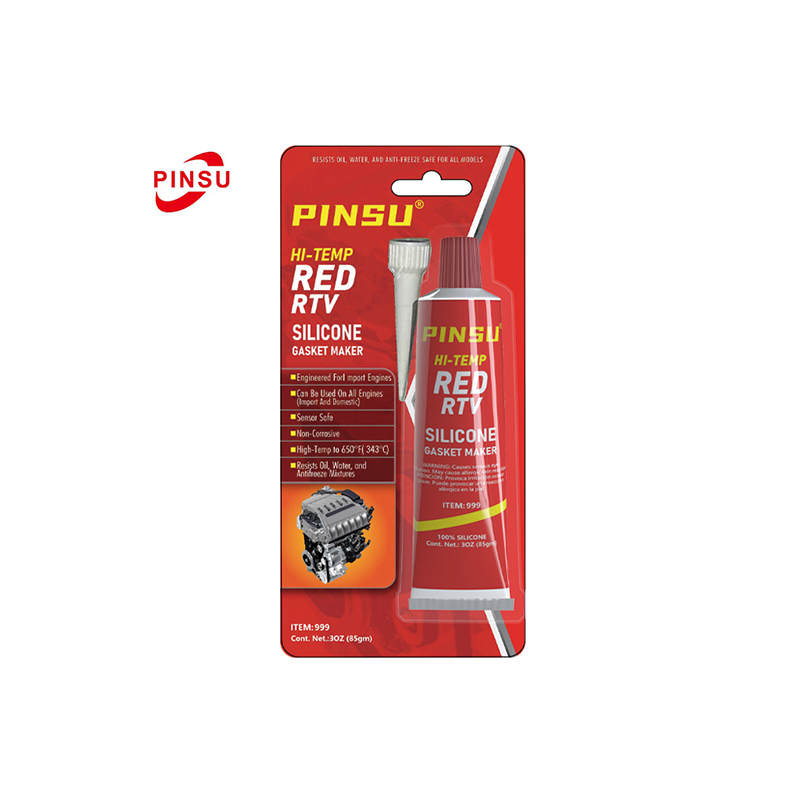
High-Temperature Resistance: RTV gasket sealants are capable of withstanding temperatures from -60°F to 650°F (-51°C to 343°C).
Pressure Resistance: These sealants can handle high-pressure environments, which makes them suitable for automotive engines, gearboxes, and other industrial applications.
Flexibility: RTV silicone remains flexible once cured, providing a long-lasting, leak-resistant seal.
Chemical Resistance: RTV silicone gasket makers are resistant to oils, fuels, and other chemicals, ensuring durability in harsh conditions.
Applications in Automotive Manufacturing
In the automotive industry, RTV gasket sealants are indispensable. They are used to seal joints in engine components, gearboxes, exhaust systems, and other parts exposed to temperatures and pressures.
Engine Sealing
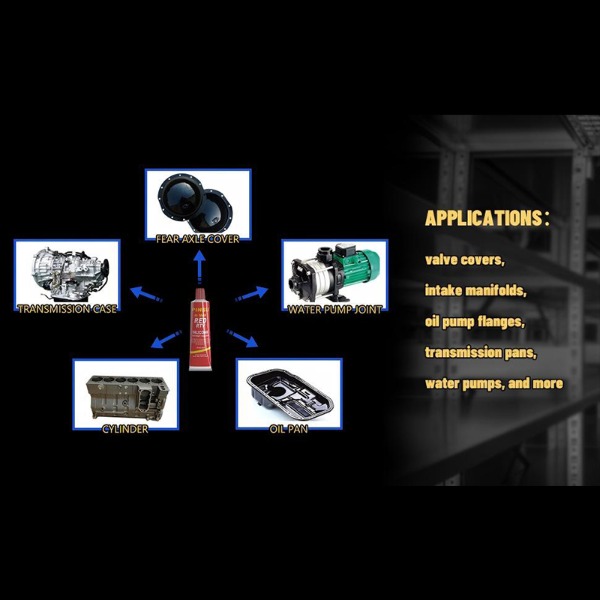
RTV gasket sealants are commonly used to seal engine parts such as cylinder heads, valve covers, and oil pans. Unlike traditional gaskets, which can be difficult to replace and maintain, RTV silicone can be applied directly to the surfaces, offering a more flexible, durable seal.
Transmission and Gearbox Sealing
The high pressure and temperature conditions found in automotive transmissions and gearboxes make them ideal candidates for RTV gasket sealants. RTV silicone creates a reliable seal that can withstand the constant friction and heat generated by these systems.
Exhaust and Turbocharging Systems
Exhaust systems and turbochargers require gaskets that can handle thermal cycling. RTV gasket sealants provide a high-performance alternative to traditional gaskets, ensuring long-lasting seals even under high stress.
Industrial Applications of RTV Gasket Sealants
RTV gasket sealants are not limited to automotive applications. In fact, they have a wide range of uses across various industrial sectors, including manufacturing machinery, HVAC systems, and even aerospace components.
Machinery Maintenance
In industrial machinery, the sealing of parts exposed to conditions is a critical task. RTV gasket sealants are often used to seal joints in pumps, compressors, and other heavy-duty machinery. Their resistance to high temperatures and pressure ensures that machinery continues to operate smoothly and efficiently.
HVAC Systems
RTV silicone sealants are frequently used in the sealing of HVAC systems, where they form an airtight and moisture-resistant seal. This application ensures that these systems operate effectively without risk of air leakage or contamination.
Advantages of RTV Gasket Sealant Over Traditional Gaskets
RTV silicone gasket sealants offer several key advantages over traditional solid gaskets, particularly in high-performance and demanding applications.
| Feature | RTV Silicone Gasket Maker | Traditional Gaskets |
|---|---|---|
| Temperature Resistance | -60°F to 650°F (-51°C to 343°C) | Limited range |
| Pressure Resistance | High-pressure capability | Limited by material |
| Flexibility | Retains elasticity | Rigid and prone to failure |
| Ease of Application | Can be applied directly | Requires precise fitting |
| Durability | Long-lasting, flexible seal | May wear out or fail over time |
Challenges and Considerations in RTV Gasket Sealant Use
While RTV gasket sealants provide many benefits, they are not without challenges. Improper application, contamination, or incorrect product selection can issues such as incomplete sealing, leakage, or material degradation.
Application Challenges
One of the primary challenges with RTV gasket sealants is ensuring proper application. While RTV silicone can be applied with ease, excessive or insufficient material can poor sealing performance. Additionally, the curing time must be adhered to for effectiveness.
Chemical Compatibility
It’s essential to ensure that the RTV gasket sealant is chemically compatible with the substances it will encounter. For example, certain RTV silicone formulations may not be suitable for contact with specific fuels or oils, which can compromise the seal.
How to Properly Apply RTV Gasket Sealant
To ensure performance, RTV gasket sealants must be applied correctly. The following steps can help ensure a proper seal:
Surface Preparation: Clean and dry the surfaces to be sealed. Any grease, dirt, or old gasket material should be removed.
Application: Apply a continuous bead of RTV sealant to one of the surfaces, ensuring uniform coverage.
Assembly: Press the parts together and allow the RTV silicone to cure at room temperature.
Curing Time: Depending on the thickness of the application, allow the sealant to cure for the recommended period (typically 24 hours).
Conclusion
RTV gasket sealants, especially RTV silicone gasket makers, are indispensable in modern manufacturing due to their exceptional sealing properties, flexibility, and resistance to high temperatures and pressures. Their wide range of applications, from automotive to industrial machinery and aerospace, underscores their importance in various sectors. By replacing traditional gaskets, RTV gasket sealants provide cost-effective, durable, and reliable solutions to sealing needs.
FAQ
1. What is RTV gasket sealant, and why is it used in manufacturing?
RTV gasket sealant is a silicone-based sealing material that cures at room temperature. It is widely used in manufacturing due to its ability to withstand high temperatures, pressures, and harsh chemicals, making it ideal for sealing metal joints and components in automotive, industrial, and other high-stress environments.
2. How do RTV gasket sealants differ from traditional gaskets?
RTV gasket sealants are more flexible, easier to apply, and provide a longer-lasting, reliable seal compared to traditional solid gaskets. They can be applied directly to surfaces, eliminating the need for precise fitting and offering greater resistance to high temperatures and pressures.
3. Can RTV gasket sealants be used for all types of engines?
Yes, RTV gasket sealants are suitable for use in a wide range of engines, including automotive, industrial, and marine engines, as well as gearboxes and exhaust systems, due to their ability to resist high temperatures and pressures.
4. What are the common mistakes to avoid when applying RTV gasket sealant?
Common mistakes include applying too much or too little sealant, not allowing enough curing time, and failing to clean the surfaces properly before application. These can poor sealing performance and potential leakage.
5. How long does RTV gasket sealant take to cure?
RTV gasket sealant typically requires 24 hours to fully cure, although the exact time may vary depending on the thickness of the application and environmental conditions.

 TOP
TOP