
 ENG
ENG
 English
 中文简体
中文简体 русский
 Español
 عربى
عربى
Straightforward Conclusion: Epoxy AB adhesive and traditional cyanoacrylate superglue differ fundamentally in their core properties. Epoxy AB glue is a two-component reactive structural adhesive, prized for its high strength, superior impact resistance, excellent temperature tolerance (often exceeding 120°C) and remarkable gap-filling capability. In contrast, traditional superglue is a one-part moisture-curing adhesive that offers rapid fixture in seconds and simple application, but its cured polymer is brittle and has limited heat and peel resistance.
Chemical Mechanisms & Curing Pathways
The fundamental distinction originates from their completely different chemical backbones. Epoxy AB adhesives undergo a controlled chemical crosslinking reaction, while cyanoacrylates rely on a surface-triggered polymerization process.
1. Epoxy AB Adhesive – Crosslinking Polymerization
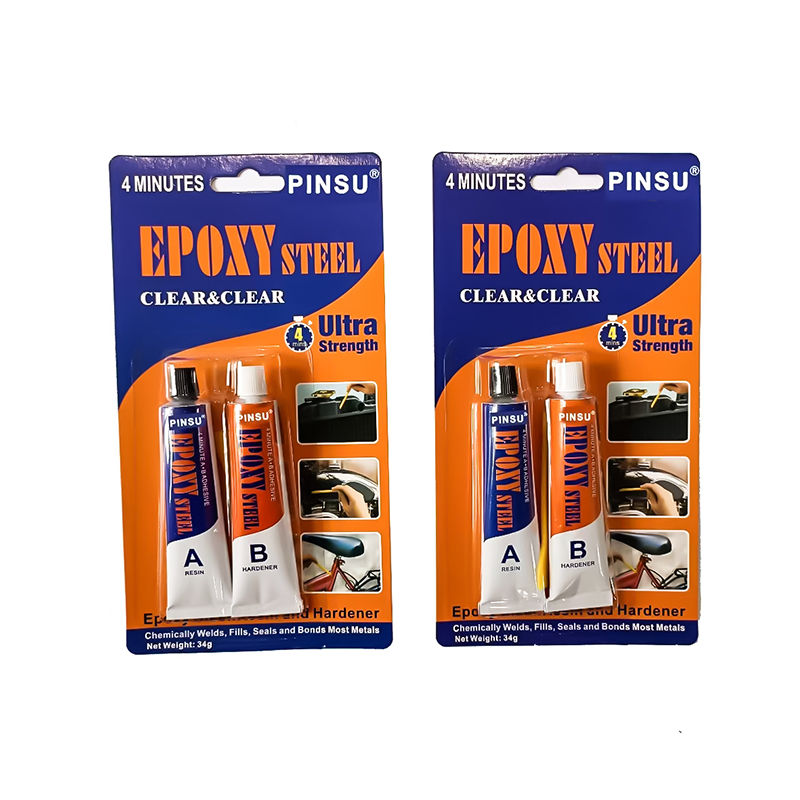
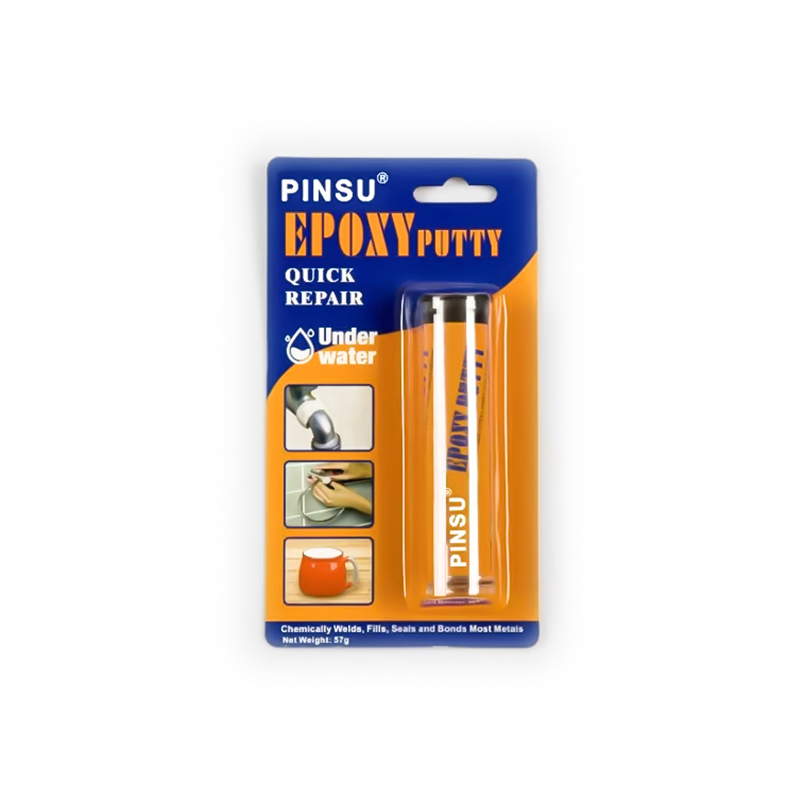
Epoxy AB consists of a resin (Part A) and a hardener (Part B). When mixed, they react to form a highly crosslinked, three-dimensional thermoset network – a chemical transformation, not a physical drying process. Curing times range from a few minutes to several hours, offering a practical working life (pot life) that allows ample time for positioning and clamping.
2. Traditional Superglue (Cyanoacrylate) – Anionic Moisture-Cure
The main component of superglue is cyanoacrylate monomer. Curing is initiated by trace amounts of moisture (weak base) on the surface or in the air, triggering an anionic polymerization reaction that completes in seconds to under a minute. This rapid fixture speed is ideal for quick assembly, but requires close-fitting mating surfaces – gaps must typically remain below 0.5 mm for reliable curing.
Mechanical Properties & Environmental Resistance
The most pronounced differences in practical applications are evident when the adhesive is subjected to complex stress states and extreme thermal/humidity conditions.
| Property | Epoxy AB Adhesive | Traditional Superglue |
|---|---|---|
| Impact Toughness | Very high. The cured material retains ductility, effectively absorbing shock and vibration. Modified formulations can significantly enhance impact strength. | Low. Cured polymer is glassy and brittle; prone to cracking under impact or peel stress. |
| Heat Resistance | Excellent. Many grades withstand continuous service above 120°C, with special formulations reaching 180°C or higher. | Limited. Continuous use temperature is typically capped near 80°C; strength degrades rapidly beyond this point. |
| Moisture & Weathering | Superior. High crosslink density forms an effective barrier against water ingress. Data indicates that specific formulations retain 77.6% of initial shear strength after 4 months immersion in 40°C water. | Moderate. Prolonged exposure to heat and humidity accelerates hydrolysis. Notable performance loss is observed after 6 weeks at 50°C / 94% RH. |
| Gap Filling | Excellent. 100% solids with negligible shrinkage; can fill significant gaps, ideal for uneven surfaces or parts with公差. | Very poor. Requires thin, close-contact bondlines; thick sections cure poorly and yield very low strength. |
Application Decision Guide
Choosing the right adhesive depends on the specific performance priorities of your project. The following decision map summarises the key selection criteria.
Choose Epoxy AB Adhesive when:
- Structural bonding that must bear high static or dynamic loads (e.g., metal frames, load-bearing assemblies).
- Bonding surfaces are rough, uneven, or have variable gaps – such as castings, wood, or retrofits.
- Service environment involves elevated temperatures (>80°C), frequent humidity, or chemical exposure (engine compartments, outdoor equipment).
Choose Traditional Superglue when:
- Rapid fixture and fast production cycles are critical – ideal for small-area, non-structural attachments.
- Bonding smooth, close-fitting parts with minimal clearance, such as rubber gaskets or small plastic components.
- Temporary positioning or quick repairs where ultimate strength and long-term durability are not the primary concern.

 TOP
TOP