
 ENG
ENG
 English
 中文简体
中文简体 русский
 Español
 عربى
عربى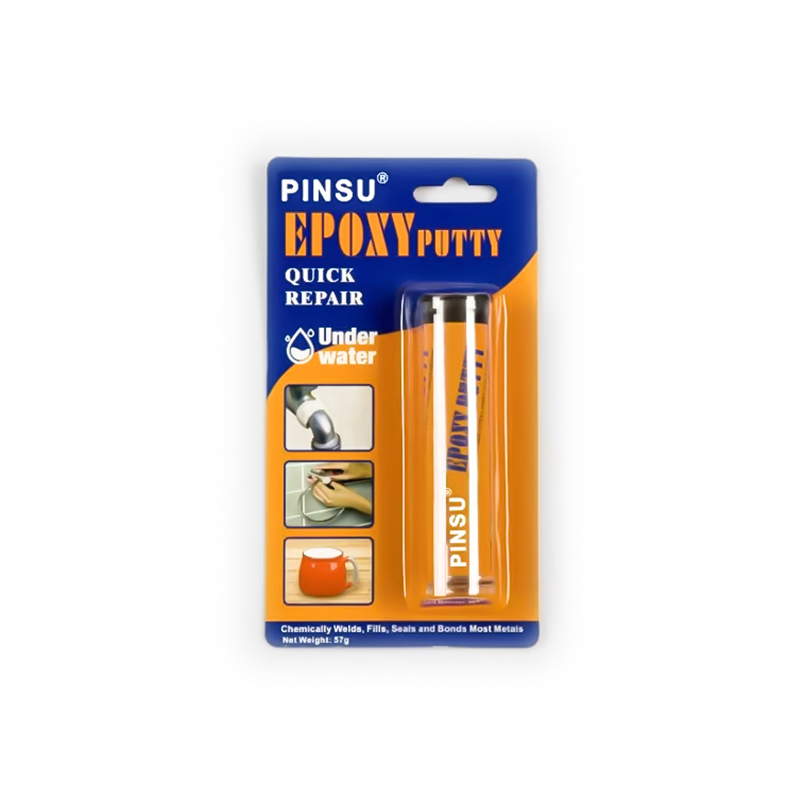

**FEATURES**
-1、High strength: It has high hardness and strong adhesion after curing.
-2、Corrosion resistance: Resistant to water, oil, and a variety of chemicals.
-3、Easy to shape: Mix by hand rubbing and fill and repair directly.
-4、Rapid curing: Set in a short time at room temperature.
**PACKAGING**
28.5g+28.5g. Various sizes can be customized
**BASIC USES**
-1、Joint filling and sealing: Sealing the gaps between tiles and around pipes.
-2、Repair and fixation: Repairing cracks in metal parts, ceramics, and wood.
-3、Temporary leak sealing: Emergency sealing of leaks in water pipes and containers.
-4、Model making: Manual shaping and bonding of special materials.

REQUEST A QUOTE
Epoxy AB putty
PINSU-Epoxy AB Putty
The Epoxy AB Glue Stick is a two-component, room-temperature curing, high-performance epoxy resin adhesive. Its unique design combines the epoxy resin (Component A) and curing agent (Component B) in a precise ratio, forming a stick. For use, simply cut and mix as needed, significantly simplifying the weighing and mixing steps of traditional two-component adhesives. The operation is extremely simple, eliminating the risk of mixing. Known as the "portable industrial repair expert," it is widely used for fast, high-strength bonding and repair of a variety of materials, including metals, ceramics, glass, wood, and rigid plastics.
Related Products
About Us
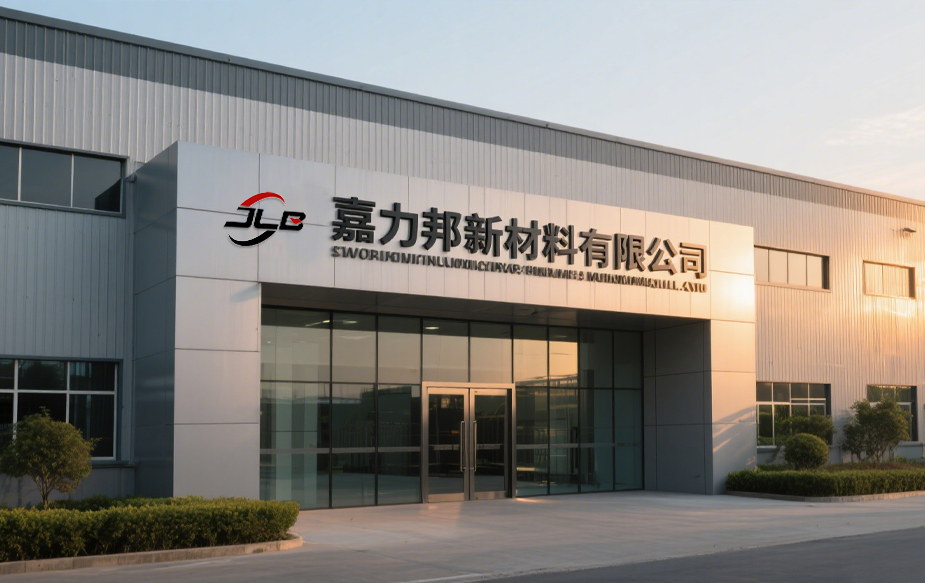
Hangzhou Jialibang New Materials Co., Ltd.
With over 20 years of experience, JIALIBANG specializes in high-performance sealants and adhesives. We are China PINSU-Epoxy AB Putty Suppliers and Custom PINSU-Epoxy AB Putty Exporter, Company. Our product lines, including silicone sealants, RTV gasket makers, and epoxy AB glues, are trusted in construction, automotive, electronics, and PV sectors. Certified to international standards, we offer full OEM/ODM services tailored to global industrial needs.
News
-
Why Vibration Keeps Loosening Metal Bolts on Working Equipment A gearbox passes commissioning without any problem, and a few weeks later a guard bracket starts rattling. When the maintenance crew checks the joint, they find three bolts backed out by a few turns and a thin film of oil creeping along...
READ MORE -
Exhaust manifold sealing sits at the far edge of what room temperature vulcanizing silicone can handle. A cast manifold flange on a fully loaded engine runs somewhere between 500 C and 650 C, and the turbine inlet of a turbocharged engine can pass 800 C. The continuous service ceiling of a typical ...
READ MORE -
Cooling systems are among the most unforgiving environments for any sealant. They combine elevated temperatures, constant thermal cycling, pressurized fluid, and a variety of metals and plastics. When a leak develops at a thermostat housing, water pump flange, or radiator hose connection, many tech...
READ MORE
Message Feedback
PINSU-Epoxy AB Putty Industry Knowledge
What are the safety precautions when using PINSU-Epoxy AB Putty?
Introduction to PINSU-Epoxy AB Putty and its safety relevance
pinsu-epoxy ab putty is a two component, room temperature curing, high performance epoxy resin adhesive designed in a convenient stick format. The epoxy resin component and curing agent are combined in a precise ratio within a single cylindrical structure. During use, the required portion is cut and kneaded until uniform in color, which significantly simplifies traditional weighing and proportioning procedures. This structural design reduces operational errors and improves application efficiency in field conditions.
As a portable industrial repair material, epoxy ab glue stick products are widely used for high strength bonding and rapid repair of metals, ceramics, glass, wood, and rigid plastics. They are commonly applied in joint filling, crack repair, emergency leak sealing, and manual model fabrication. However, despite the convenience and simplified mixing method, safe handling remains essential. The curing reaction, surface preparation, environmental conditions, and post cure finishing processes all introduce potential safety considerations.
Understanding safety precautions is not only about preventing accidents but also about ensuring consistent performance, protecting operators, and maintaining regulatory compliance. Proper knowledge of personal protective equipment, ventilation, storage, disposal, and worksite management directly affects both product performance and workplace safety.
Material characteristics and associated safety considerations
The properties of pinsu-epoxy ab putty determine the types of precautions required during use. Once mixed, the material begins a chemical curing process at room temperature. Although it is designed for easy hand mixing and shaping, the reaction generates heat and releases minimal but measurable volatile substances during curing. Therefore, controlled handling is recommended.
Key performance characteristics include:
- High strength after curing, with increased hardness and strong adhesion to rigid substrates.
- Resistance to water, oil, and various chemicals, enabling use in demanding environments.
- Manual moldability, allowing direct shaping and gap filling.
- Rapid curing at room temperature, reducing downtime during repair.
Each of these features corresponds to safety implications. High adhesion means accidental bonding to skin or unintended surfaces must be avoided. Chemical resistance indicates the cured material is stable, but uncured components should not come into prolonged contact with skin. Rapid curing requires timely and organized application to prevent waste and overheating in confined areas.
The following table summarizes major characteristics and related safety points:
| Product characteristic | Potential safety concern | Recommended precaution |
|---|---|---|
| Two component reactive system | Skin contact during mixing | Wear gloves and avoid direct contact |
| Room temperature curing | Heat generation in thick sections | Apply in moderate quantities |
| Strong adhesion | Unintended bonding | Protect adjacent surfaces |
| Chemical resistance | Improper disposal | Follow regulated waste procedures |
Personal protective equipment requirements
When working with pinsu-epoxy ab putty, appropriate personal protective equipment is the first line of defense. Although the stick format reduces splashing risks associated with liquid adhesives, direct manual mixing introduces the possibility of skin exposure.
The following protective measures are recommended:
- Nitrile or chemical resistant gloves to prevent skin irritation or sensitization.
- Protective eyewear to guard against accidental transfer from hands to eyes.
- Long sleeve workwear to minimize skin exposure.
- Respiratory protection in confined spaces if ventilation is insufficient.
Prolonged or repeated skin contact with uncured epoxy components may lead to irritation or allergic response in sensitive individuals. Even though the product is shaped by hand, mixing should be performed while wearing gloves. If accidental contact occurs, the material should be removed with suitable cleaning agents before curing begins.
In addition, food consumption and smoking should be avoided in the work area. After handling the adhesive, hands should be washed thoroughly. These precautions support both occupational safety and product hygiene.
Ventilation and workspace management
Adequate ventilation is an important precaution when using epoxy repair putty systems. Although the product cures at room temperature without requiring external heat sources, localized vapor release may occur during mixing and curing. In open or well ventilated industrial environments, natural airflow is generally sufficient. However, enclosed spaces such as equipment housings, pipe shafts, or small maintenance rooms require additional airflow management.
Key workspace safety practices include:
- Ensure continuous air circulation during application and curing.
- Avoid applying excessive material in confined cavities.
- Keep ignition sources away from chemical storage areas.
- Maintain organized workbenches to prevent accidental contamination.
Surface preparation should also be conducted carefully. Removing oil, rust, and dust improves adhesion while reducing unexpected reactions with contaminants. Clean, dry substrates minimize the need for rework and limit exposure time.
Safe mixing and application procedures
The operational simplicity of pinsu-epoxy ab putty is one of its main advantages. Users cut the required amount and knead it until uniform. Nevertheless, structured handling procedures enhance safety and performance.
Mixing stage precautions
During mixing:
- Cut only the required quantity to avoid premature curing waste.
- Knead thoroughly until color is uniform, ensuring complete reaction.
- Avoid mixing large volumes at once to prevent excessive heat buildup.
Incomplete mixing may result in soft spots or reduced mechanical integrity. Overly thick applications can concentrate heat during curing. Therefore, moderate application thickness is recommended, especially when sealing leaks or filling deep cavities.
Application stage precautions
During shaping and bonding:
- Press firmly to ensure proper surface contact.
- Remove excess material before full curing.
- Stabilize repaired components until the set time is reached.
For temporary leak sealing in pipelines or containers, pressure conditions should be evaluated before application. Reducing active leakage improves bonding reliability and reduces operator risk.
Storage, packaging, and transportation safety
The standard packaging of 28.5 grams plus 28.5 grams ensures balanced component proportions. Customized sizes are available depending on application requirements. Proper storage extends shelf life and preserves safe handling characteristics.
Recommended storage conditions include:
- Store in a cool, dry environment.
- Avoid direct sunlight exposure.
- Keep away from high temperature sources.
- Seal packaging tightly after partial use.
Separated storage from food and drinking water supplies is necessary. During transportation, packaging should prevent mechanical damage and contamination. Maintaining stable environmental conditions reduces the risk of premature degradation.
Environmental and regulatory considerations
At Hangzhou Jialibang New Materials Co., Ltd., safety is closely aligned with regulatory responsibility. The company integrates environmental compliance into product development and factory operations. Low emission formulations, controlled manufacturing processes, and systematic quality inspection ensure that materials meet global regulatory expectations.
pinsu-epoxy ab putty is produced within an ISO 9001 certified management framework, where adhesion performance, curing behavior, and volatile content are monitored. Certifications such as SGS and CE confirm alignment with international standards. In addition, environmental compliance frameworks including RoHS and REACH guide material selection and waste management.
Hangzhou Jialibang New Materials Co., Ltd. emphasizes not only product functionality but also responsible lifecycle management. Proper disposal of unused or cured materials should follow local industrial waste regulations. Cured epoxy is generally inert, but uncured residues must be handled according to safety guidelines.
Manufacturing quality and safety assurance
Safety during product use is directly connected to manufacturing precision. Hangzhou Jialibang New Materials Co., Ltd. operates automated production lines and temperature controlled workshops that ensure stable formulation consistency. From raw material inspection to final packaging, every batch undergoes structured testing.
The company focuses on innovation, quality, and service. Rather than relying on generic formulas, technical teams evaluate real working conditions and adapt formulations accordingly. This systematic approach minimizes variability, which in turn reduces unexpected curing behavior or performance deviation during application.
Global distribution across more than 30 countries requires reliable logistics and documentation support. Hangzhou Jialibang New Materials Co., Ltd. integrates multilingual communication and export coordination to ensure safe transportation and regulatory compliance in international markets.
Application specific safety scenarios
Different use cases require tailored precautions.
Joint filling and sealing
When sealing tile gaps or pipe joints, ensure surfaces are dry and stable. Avoid applying excessive thickness that may restrict curing. Gloves and ventilation remain essential.
Repair and fixation
For repairing cracks in metal or ceramic components, mechanical stress should be minimized during curing. Stabilize parts using clamps if necessary.
Temporary leak sealing
Emergency sealing requires careful risk assessment. Lower internal pressure where possible before applying the material. Confirm that the surface temperature is within the recommended operating range.
Model making and manual shaping
During creative shaping tasks, prolonged handling may occur. Frequent glove replacement and hand hygiene are recommended to prevent cumulative exposure.
FAQ
Q1: Can pinsu-epoxy ab putty cause skin irritation?
Yes, uncured components may cause irritation in sensitive individuals. Gloves and protective clothing are recommended.
Q2: Is ventilation necessary when using epoxy ab glue stick products?
Yes, especially in confined spaces. Adequate airflow reduces inhalation of vapors during curing.
Q3: Can cured epoxy repair putty be safely sanded?
Yes, after full curing. However, dust control measures such as masks and extraction systems should be used during sanding.
Q4: How should unused material be disposed of?
Follow local industrial waste regulations. Cured material is generally stable, while uncured components require controlled disposal.
Q5: Does packaging size affect safety?
Proper packaging ensures accurate component ratios and reduces mixing errors, contributing to safer application.
QUICK LINKS
PRODUCTS
CONTACT INFO
- +86-15306543011
- [email protected]
- Unit 5, Building B, Phase 11, Shutai Health Industry Park, Economic Development Zone, Tonglu Country, Hangzhou City, Zhejiang Province, China.
QR CODE
Copyright © 2023 Hangzhou Jialibang New Materials Co., Ltd. All Rights Reserved.
Custom PINSU-Epoxy AB Putty Suppliers

 TOP
TOP