PINSU High-Strength AB Epoxy Adhesive Glue - Industrial Grade for Metal , Plastic, Wood Industry Knowledge
How do you store PINSU High-Strength AB Epoxy Adhesive Glue to maintain its effectiveness?
Understanding the material characteristics before storage
Proper storage begins with a clear understanding of the material itself. pinsu high-strength ab epoxy adhesive glue - industrial grade for metal , plastic, wood is a two-component system consisting of a resin and a hardener. When mixed in the correct ratio, these components undergo a curing reaction at room temperature and form a rigid, durable structure with high mechanical strength, chemical resistance, and heat resistance within an operating temperature range typically between minus 30 degrees Celsius and 120 degrees Celsius.
Because it is supplied in separate components, its performance stability depends heavily on maintaining the integrity of each part before mixing. Premature exposure to moisture, high temperature, or contamination may influence viscosity, curing behavior, or bonding performance. As an industrial-grade adhesive used for metals, ceramics, glass, hard plastics, and wood, it is often applied in environments that demand dimensional stability and low shrinkage after curing. Therefore, maintaining the original formulation conditions during storage is essential.
The two-component industrial epoxy adhesive for metal, plastic, and wood demonstrates excellent filling properties and electrical insulation performance after curing. However, these properties can only be guaranteed when the unmixed components are preserved under controlled conditions. Understanding that storage is not merely about keeping the packaging closed, but about protecting the chemical balance and physical characteristics of both resin and hardener, is the foundation of effective inventory management.
Recommended storage temperature and environmental conditions
Temperature control is one of the most critical factors in preserving the performance of pinsu high-strength ab epoxy adhesive glue - industrial grade for metal , plastic, wood. Although the cured adhesive can tolerate elevated temperatures during operation, the unmixed components are more sensitive to storage heat.
Ideal temperature range
For optimal stability, the adhesive should be stored in a cool, dry place, typically between 10 and 25 degrees Celsius. Prolonged exposure to temperatures above this range may accelerate aging of the resin or cause gradual thickening. Extremely low temperatures may increase viscosity temporarily, which can affect ease of mixing, though this is usually reversible once the product returns to room temperature.
Humidity control
Moisture is another important consideration. The hardener component in particular may react with moisture in the air over extended periods. Storage areas should therefore maintain low relative humidity and avoid condensation. Containers must remain tightly sealed immediately after use to prevent atmospheric exposure.
Light and ventilation
Direct sunlight should be avoided. Ultraviolet exposure and heat accumulation from sunlight can degrade packaging and influence internal stability. Storage rooms should be well ventilated but not exposed to outdoor weather conditions. Shelving should keep products off the ground to reduce the risk of water contact.
The following table summarizes recommended storage conditions:
| Parameter |
Recommended Condition |
Storage Objective |
| Temperature |
10 to 25 degrees Celsius |
Maintain viscosity and curing stability |
| Humidity |
Low, dry environment |
Prevent moisture contamination |
| Light exposure |
No direct sunlight |
Avoid thermal and UV degradation |
| Container status |
Tightly sealed after each use |
Prevent oxidation and contamination |
By consistently maintaining these parameters, users can protect the long-term effectiveness of high-strength ab epoxy adhesive glue for industrial bonding applications.
Packaging integrity and handling procedures
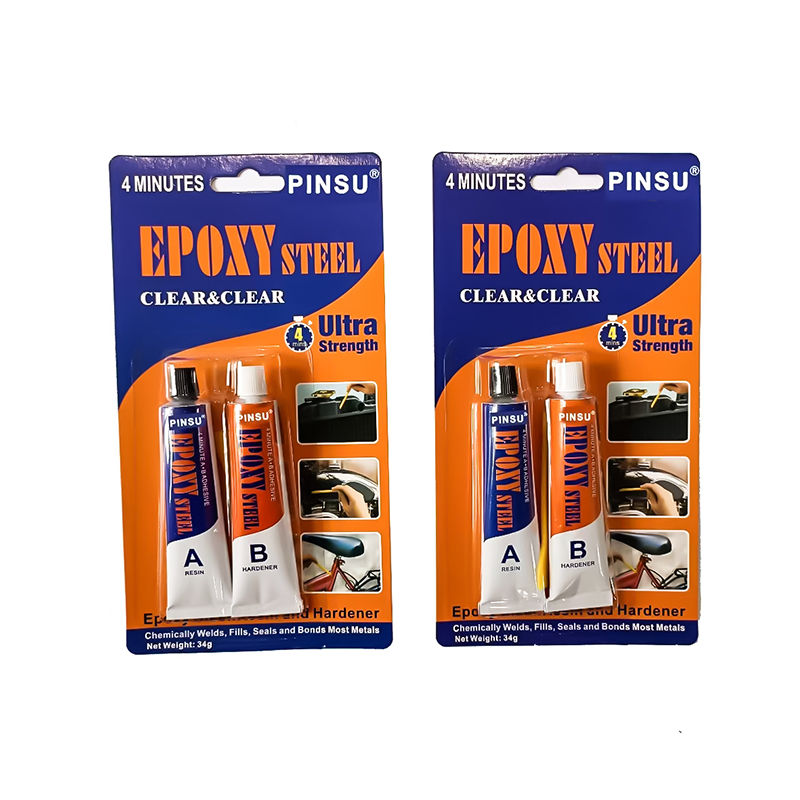
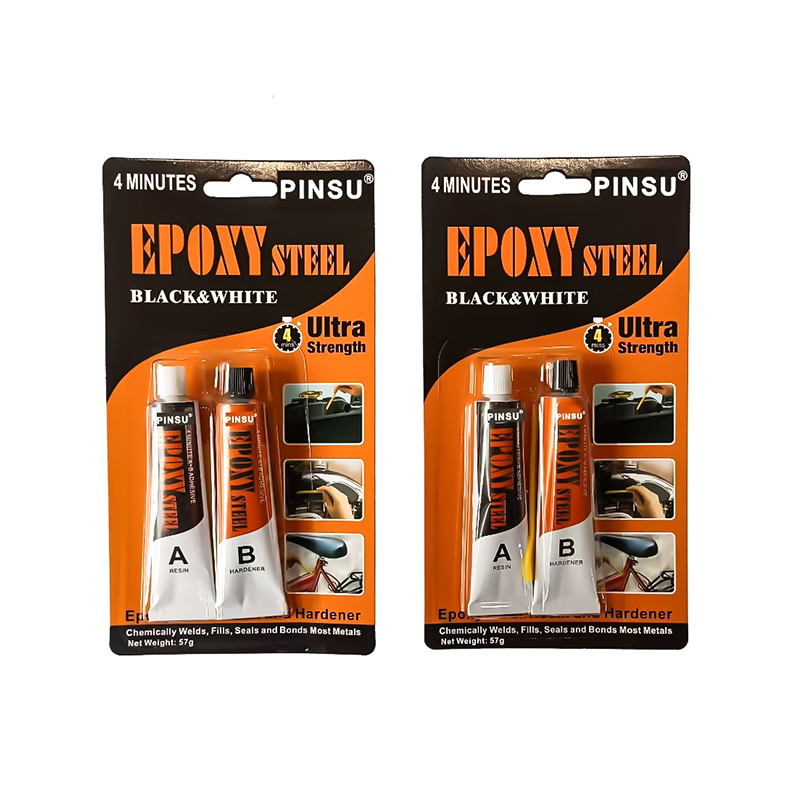
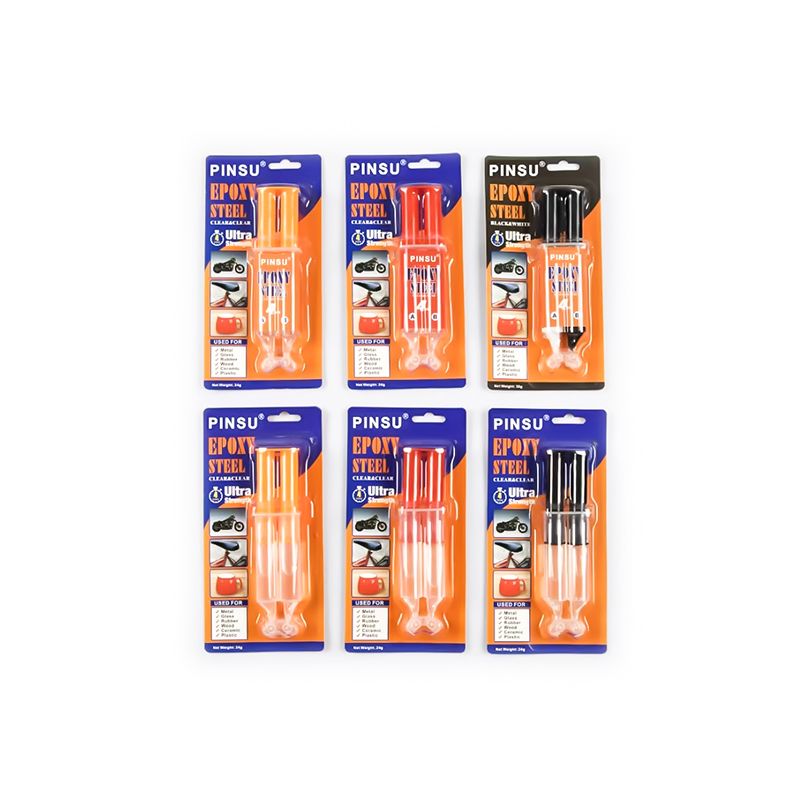
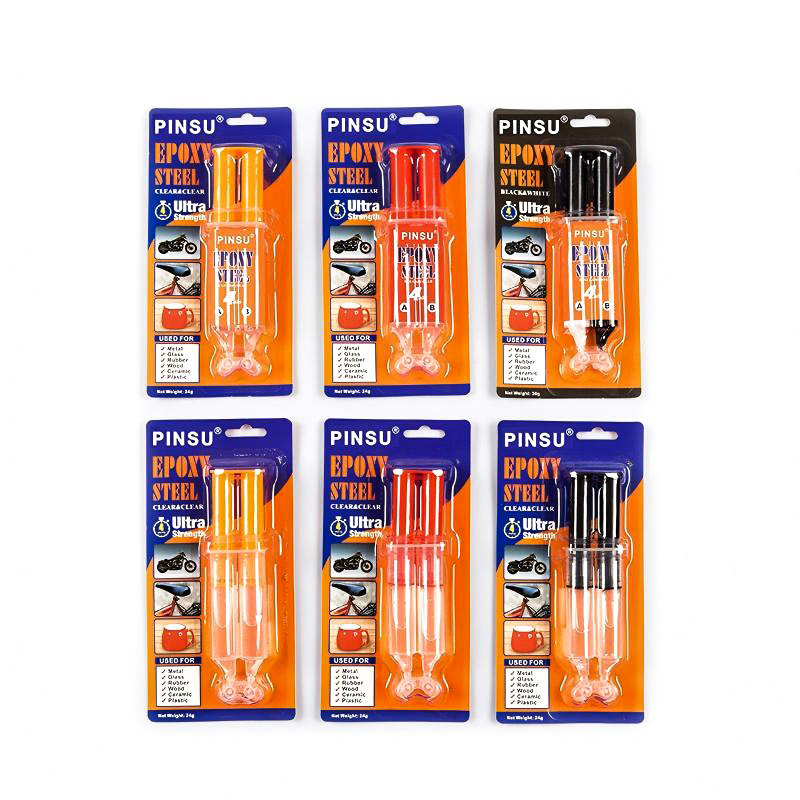
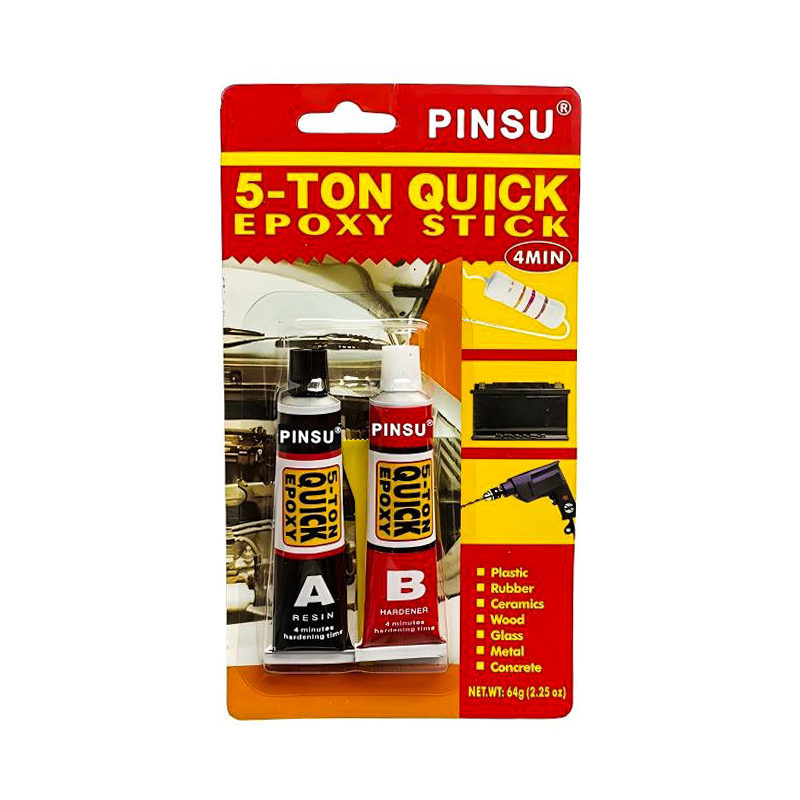
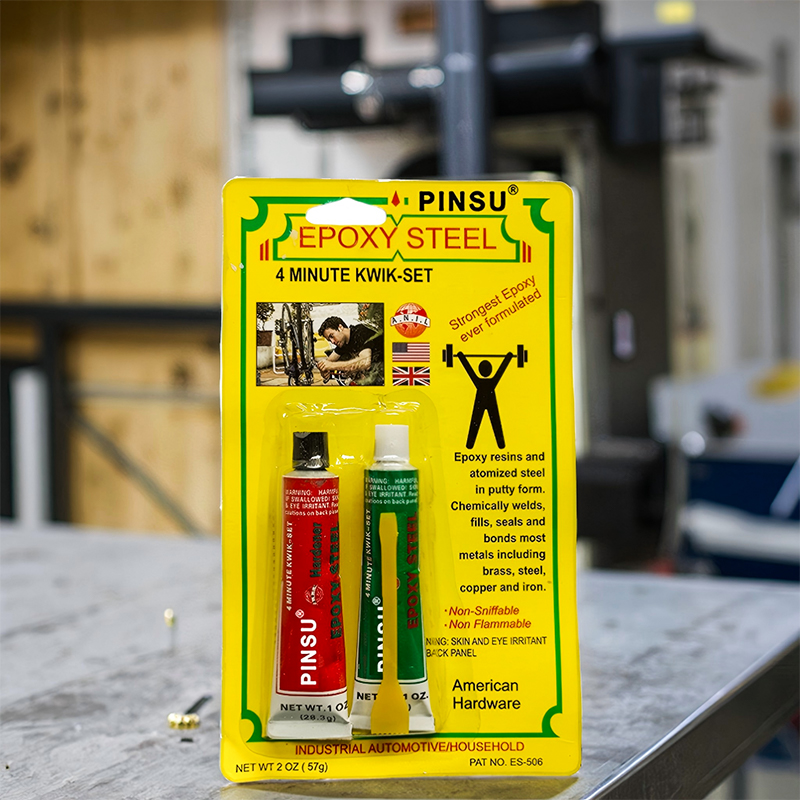
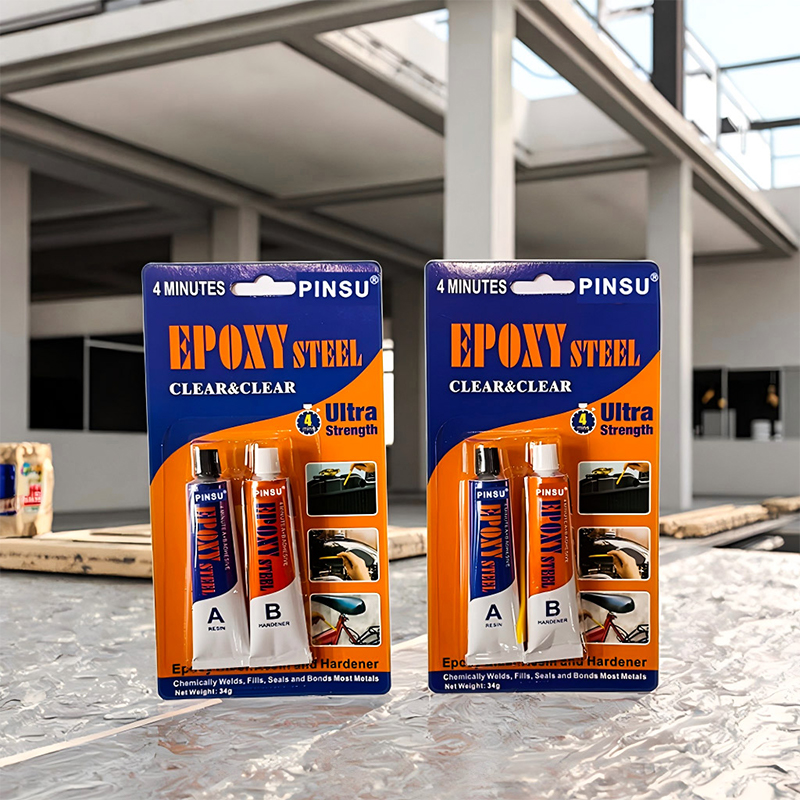
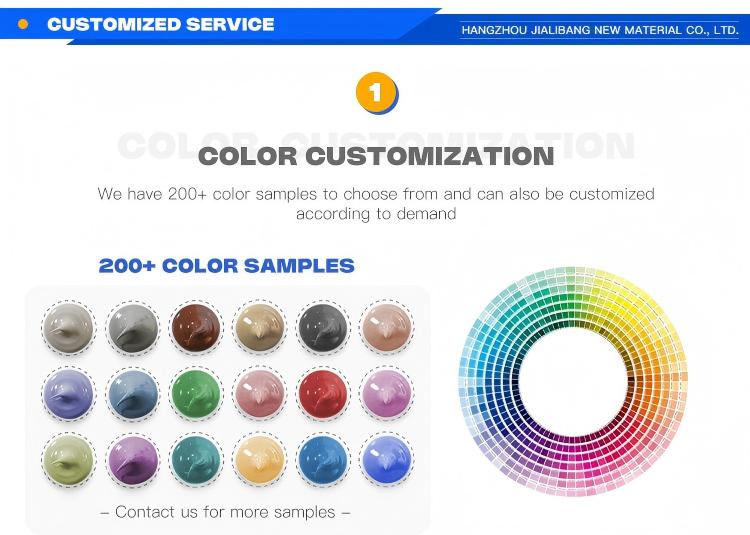
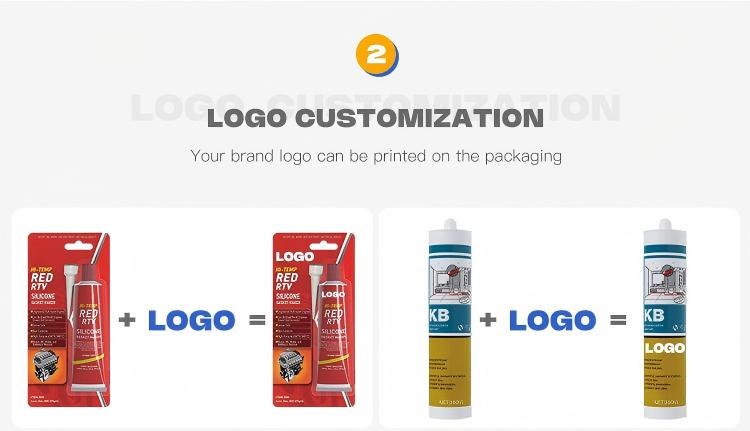
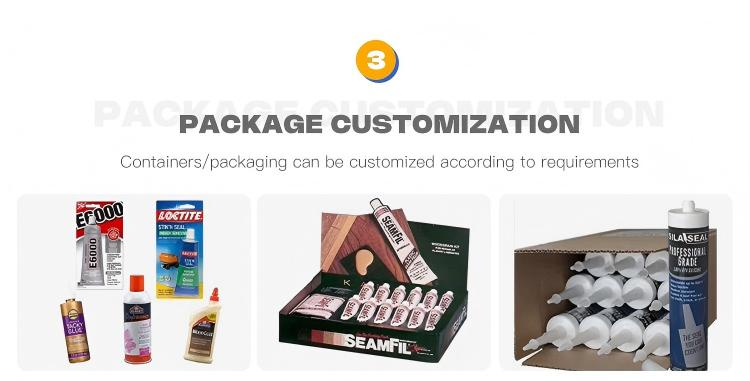
The product is available in various packaging sizes, including 28.5g plus 28.5g, 20g plus 20g, 15g plus 15g, and 7g plus 7g, with customizable options. Each size is designed to reduce waste and match different application requirements. However, regardless of size, packaging integrity plays a decisive role in preserving quality.
First, original packaging should not be transferred to unverified containers. The manufacturer's packaging is designed to minimize air ingress and chemical interaction. Once opened, caps must be closed firmly and wiped clean to avoid cross contamination between resin and hardener.
Second, resin and hardener dispensing tools must remain separate. Even small traces of mixed material introduced into the original container can trigger localized curing and shorten shelf life. Storage areas should clearly separate the two components to reduce handling errors.
Third, containers should be stored upright. This prevents leakage and ensures that sealing areas remain clean. In industrial warehouses, adhesives should be clearly labeled with batch number and date of receipt to support proper rotation management.
These practices are not merely procedural details. They directly influence whether pinsu high-strength ab epoxy adhesive glue - industrial grade for metal , plastic, wood will maintain its designed hardness, load-bearing capacity, and impact resistance after curing.
Shelf life management and inventory rotation
Like most two-component epoxy systems, pinsu high-strength ab epoxy adhesive glue - industrial grade for metal , plastic, wood has a defined shelf life under recommended conditions. Although specific curing time varies depending on the formulation, long-term storage beyond the recommended period may result in increased viscosity, slower curing, or reduced bonding strength.
Effective shelf life management includes:
- Implementing first-in, first-out inventory rotation.
- Recording storage dates and batch numbers clearly.
- Conducting periodic visual inspection for abnormal thickening or discoloration.
- Testing small samples before critical bonding applications if the product approaches the end of its shelf life.
In industrial production environments where adhesives are used for component fixation, circuit sealing, or structural repair, storage control is directly connected to quality assurance. Maintaining detailed records ensures traceability and reduces the risk of applying aged material in high-load or precision bonding applications.
Storage considerations for different application sectors
The adhesive is widely used in industrial production, maintenance, electronics, and DIY model making. Each sector may impose slightly different storage priorities.
In electronic and electrical applications, insulation performance is critical. Therefore, moisture protection during storage is particularly important to preserve dielectric stability after curing.
In industrial maintenance, where the product is used to fill casting sand holes, seal equipment structures, or perform structural repair, consistent viscosity is necessary for predictable filling behavior. Storage temperature control directly affects workability.
In DIY and model making contexts, smaller packaging sizes are common. Users may store partially used units for extended periods. In such cases, ensuring caps are fully sealed and keeping the product in indoor environments away from heat sources such as radiators is essential.
The table below outlines storage focus by application:
| Application Area |
Key Storage Focus |
Reason |
| Electronics and electrical |
Moisture protection |
Preserve insulation performance |
| Industrial maintenance |
Temperature stability |
Maintain filling consistency |
| DIY and model making |
Sealed packaging |
Prevent premature curing |
These sector-specific considerations further reinforce the importance of disciplined storage practices for industrial-grade two-component epoxy adhesive systems.
Quality assurance and manufacturing background
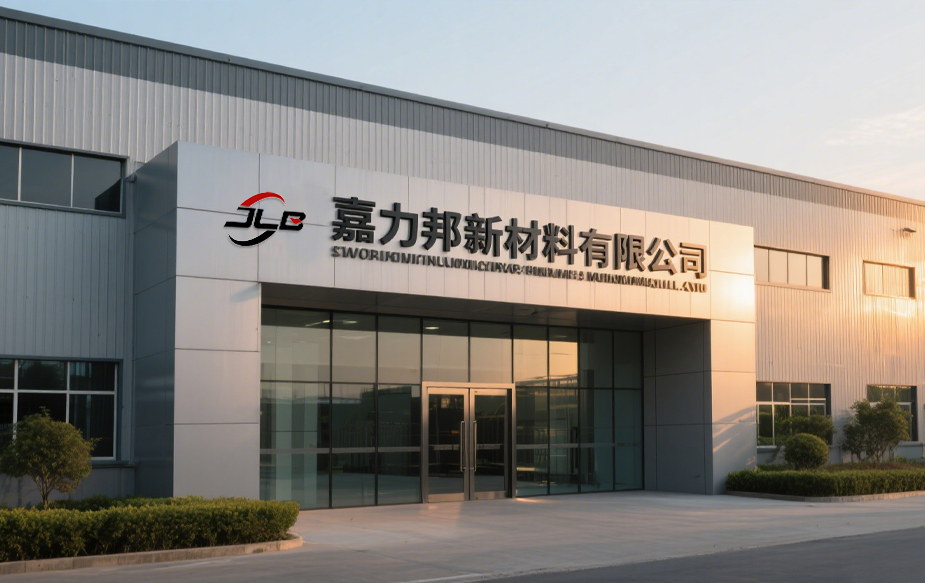
The reliability of storage recommendations is closely related to manufacturing quality. At Hangzhou Jialibang New Materials Co., Ltd. the philosophy of bonding extends beyond simple adhesion. The company emphasizes stability, durability, and responsibility in every formulation. This perspective shapes not only product development but also guidance on storage and handling.
Hangzhou Jialibang New Materials Co., Ltd. maintains automated manufacturing systems and temperature-controlled workshops, ensuring that epoxy systems are produced under strict process control. Each batch undergoes multi-layered testing covering adhesion, curing performance, and mechanical integrity. Such systematic control ensures that pinsu high-strength ab epoxy adhesive glue - industrial grade for metal , plastic, wood leaves the factory in optimal condition.
From research and development to global delivery across more than 30 countries, Hangzhou Jialibang New Materials Co., Ltd. integrates quality management into every stage. This includes ISO 9001-certified procedures and verification through internationally recognized certifications. Storage guidance provided to customers reflects laboratory validation and field application feedback.
By combining manufacturing excellence with responsible material design, Hangzhou Jialibang New Materials Co., Ltd. ensures that when customers follow recommended storage practices, the adhesive's high hardness, chemical resistance, aging resistance, and dimensional stability can be reliably maintained.
Practical storage checklist for maintaining effectiveness
To summarize and provide operational clarity, the following checklist can be implemented in warehouses and workshops:
- Store in a cool, dry indoor environment between 10 and 25 degrees Celsius.
- Avoid direct sunlight and heat sources.
- Seal containers immediately after dispensing.
- Keep resin and hardener tools separate.
- Apply first-in, first-out inventory rotation.
- Inspect packaging periodically for leakage or deformation.
When these measures are consistently applied, the adhesive will retain its designed properties, including strong load-bearing performance, impact resistance, excellent water resistance, and stable volume after curing.
FAQ
What happens if the adhesive is stored at high temperature for a long time?
Extended exposure to elevated temperature may increase viscosity and potentially shorten shelf life. It is recommended to return the product to recommended storage conditions and test a small amount before critical use.
Can refrigerated storage extend shelf life?
Moderately cool storage within the recommended range is beneficial. However, extreme cold is not necessary and may temporarily increase viscosity, requiring the product to return to room temperature before use.
How can I tell if the product has deteriorated?
Signs may include abnormal thickening, crystallization, discoloration, or incomplete curing after proper mixing. In such cases, application in structural bonding should be avoided.
Does packaging size affect storage stability?
Smaller packaging sizes reduce repeated exposure to air after opening. Regardless of size, tight sealing and dry storage remain essential.
Why is moisture control important for epoxy adhesives?
Moisture can interfere with curing behavior and may influence insulation properties in electronic applications. Dry storage preserves consistent performance.
Through disciplined storage management, users can ensure that pinsu high-strength ab epoxy adhesive glue - industrial grade for metal , plastic, wood continues to deliver reliable performance in metal, plastic, and wood bonding applications across industrial, maintenance, and creative fields.

 ENG
ENG
 English
 中文简体
中文简体 русский
 Español
 عربى
عربى

 TOP
TOP