
 ENG
ENG
 English
 中文简体
中文简体 русский
 Español
 عربى
عربى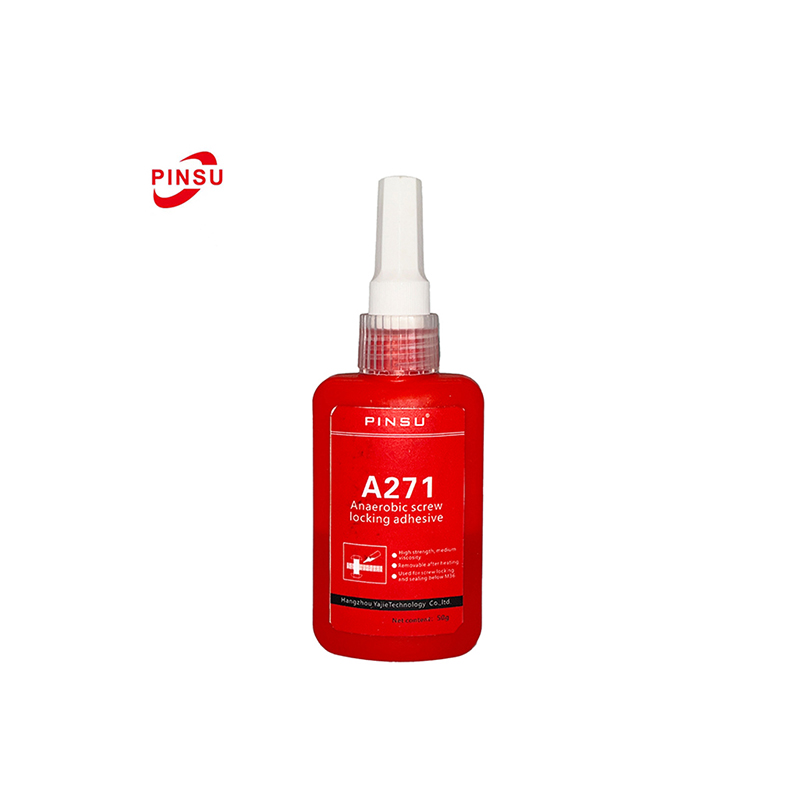
Introduction RTV (Room Temperature Vulcanizing) silicone gasket makers are among the most versatile and reliable sealing products used in both automotive and in...
READ MORE
REQUEST A QUOTE
Anaerobic Glue/Adhesive Sealant Manufacturers
Anaerobic adhesive is a one-component engineering adhesive that cures under oxygen-deficient conditions. Its main component is methacrylate monomer. Its unique feature is that it cures quickly when the metal joint surface is isolated from oxygen. It is widely used in machinery manufacturing, automobile maintenance, electronic equipment, and other fields.
About Us
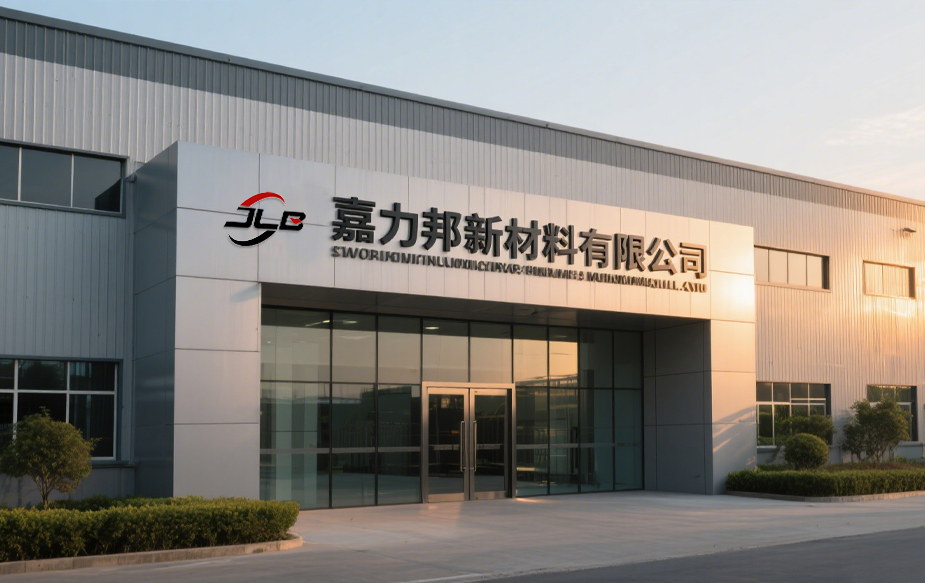
Hangzhou Jialibang New Materials Co., Ltd.
With over 20 years of experience, JIALIBANG specializes in high-performance sealants and adhesives. We are China Anaerobic Glue Manufacturers and Wholesale Anaerobic Adhesive Sealant, Anaerobic Adhesive Factory. Our product lines, including silicone sealants, RTV gasket makers, and epoxy AB glues, are trusted in construction, automotive, electronics, and PV sectors. Certified to international standards, we offer full OEM/ODM services tailored to global industrial needs.
News
-
-
Introduction In modern industry, construction, and home renovation, High-performance Sealants/Adhesives play an indispensable role. They not only provide strong...
READ MORE -
Selecting the correct joining technology for industrial assemblies is a critical decision that impacts reliability, maintenance costs, and product lifespan. Amo...
READ MORE -
Maintaining a clean and hygienic home environment often comes down to the smallest details. In areas frequently exposed to moisture, such as bathrooms and kitch...
READ MORE
Message Feedback
Anaerobic Adhesive Industry knowledge
Industry Knowledge: Anaerobic Adhesive Technology and Applications
1. The Curing Mechanism of Anaerobic Adhesives: Why Polymerize Without Air?
Anaerobic adhesives, commonly referred to as anaerobic glue, remain stable in the presence of oxygen but cure rapidly when confined between close-fitting metal surfaces, which exclude air. This unique chemistry is initiated by the contact with metal ions (such as iron or copper) that act as catalysts in an oxygen-free environment. The absence of oxygen allows the free radicals to trigger the polymerization of the methacrylate-based resin, forming a strong, thermoset plastic bond.
Key Technical Parameters:
- Curing Speed (Fixture/Full Cure Time): Typically ranges from 5 minutes to 24 hours, depending on the activator used and the substrate.
- Activation Temperature: Standard room-temperature curing, though some variants require heat acceleration.
- Active Metal Compatibility: Cures fastest on active metals like steel and copper; slower on passive surfaces like stainless steel or plated coatings, often requiring a primer.
2. Selecting Anaerobic Threadlockers by Locking Strength Grade
Threadlocking adhesives are engineered to secure threaded fasteners against vibration and leakage. The choice between low, medium, and high strength is a critical engineering decision based on disassembly requirements. As a professional Anaerobic Adhesive Sealant supplier, Hangzhou Jialibang New Materials Co., Ltd. ensures precise strength classifications for reliable performance across automotive and industrial assemblies.
Selection Parameters:
- Viscosity (mPa·s): Ranges from low-viscosity (penetrating) grades for pre-assembled fasteners to high-viscosity (thixotropic) grades for large diameter threads.
- Breakaway/Prevailing Torque (N·m): Defines the force needed to loosen a nut and bolt after curing. Low strength (≤ 10 N·m) for adjustment screws, high strength (≥ 25 N·m) for permanent locking.
- Shear Strength (MPa): Indicates the cohesive force of the cured film, typically between 5 to 20 MPa for structural threadlocking.
3. Fluid Resistance of Anaerobic Flange Sealants in Harsh Environments
As a dedicated Anaerobic Adhesive Factory, we formulate gasket makers and flange sealants to withstand constant immersion in aggressive fluids. Unlike pre-cut gaskets, anaerobic sealants fill microscopic imperfections in rigid flanges, creating a durable, corrosion-resistant seal that prevents leaks of oils, fuels, and coolants.
Key Performance Indicators:
- Pressure Resistance (MPa): Maximum internal pressure the cured seal can withstand without extrusion or leakage.
- Maximum Gap Fill (mm): The largest flange irregularity the adhesive can bridge effectively, usually up to 0.5 mm for standard grades.
- Service Temperature Range (°C): Operational limits, typically from -55°C to +150°C, with specialty grades extending to 200°C.
4. Cylindrical Retaining Compounds: Solving Fretting Wear in Bearings and Sleeves
Retaining compounds are high-strength anaerobic adhesives designed to secure cylindrical, non-threaded assemblies such as bearings, bushings, and rotors onto shafts or into housings. They fill the clearance between parts, increasing load transmission and eliminating micromovement that causes fretting corrosion and wear over time. This technology often restores performance to worn or loose-fitting components without the need for machining.
Technical Specifications:
- Radial Gap Fill Capacity (mm): The maximum diametrical clearance that the compound can reliably fill, often up to 0.25 mm or more.
- Compressive Shear Strength (MPa): Measures the force required to push the bonded assembly apart; high-strength retainers typically exceed 20 MPa.
- Coefficient of Thermal Expansion: Must be compatible with the metals being joined to maintain bond integrity under temperature fluctuations.
5. Modern Standards and Customization in Chemical Adhesives
With over two decades of expertise, Hangzhou Jialibang New Materials Co., Ltd. operates as leading China Anaerobic Glue Manufacturers. Our commitment to quality is validated by certifications like ISO, ensuring that every batch meets rigorous international performance and safety standards. Beyond standard products, we offer comprehensive OEM and ODM services, tailoring formulations, packaging, and technical support to meet specific global industrial needs.
Customization Capabilities:
- International Standards Compliance: Products formulated to meet ISO, ASTM, and MIL-SPEC requirements.
- Packaging Solutions: From small syringes for maintenance to bulk drums for automated assembly lines.
- Viscosity and Color Tuning: Adjustments for application-specific flow control and visual inspection.
- Technical R&D Support: Collaborative development of new adhesive solutions for emerging sectors like new energy vehicles and photovoltaic systems.
FAQ
What is the main difference between anaerobic adhesive and super glue?
The primary difference lies in their curing mechanisms and applications. Super glue (cyanoacrylate) cures rapidly through a reaction with surface moisture and is best for small, porous, or non-metallic parts. An Anaerobic Adhesive Sealant, however, cures only in the absence of air and in contact with metal, making it specifically designed for locking, sealing, and retaining metal assemblies where high strength and resistance to heat, oil, and vibration are required.
Can anaerobic glue be used on plastic or painted surfaces?
Generally, no. Standard anaerobic adhesives are designed for active metal substrates. They will not cure properly on most plastics, painted surfaces, or other non-metallic materials because they require metal ions to initiate the curing process. Some plastics can also be degraded by the uncured monomer. For bonding plastics to metals, other adhesive technologies such as epoxy or cyanoacrylate are more appropriate.
How do I remove a bolt locked with high-strength anaerobic threadlocker?
High-strength threadlockers are designed for permanent locking but can be disassembled with localized heat. Apply a soldering iron or heat gun to the bolt/nut assembly, raising the temperature above 250°C (approximately 480°F). This heat softens the cured thermoset plastic, allowing the fastener to be turned while still hot. If the assembly is small, mechanical force with a hand tool is sometimes sufficient, but heat is the most reliable method to prevent breakage.
Is anaerobic adhesive sealant resistant to gasoline and engine oil?
Yes, resistance to automotive fluids is a key property of high-quality anaerobic sealants. Formulations from a professional Anaerobic Adhesive Factory like Hangzhou Jialibang are designed to withstand prolonged exposure to gasoline, diesel, motor oils, transmission fluids, and coolants without softening, swelling, or losing adhesion. This chemical resistance is what makes them the standard choice for engine gasketing and thread sealing in the automotive sector.
What does 'OEM/ODM service' mean for anaerobic adhesives?
OEM (Original Equipment Manufacturing) and ODM (Original Design Manufacturing) services mean that Hangzhou Jialibang New Materials Co., Ltd. can produce anaerobic adhesives to a client's exact specifications. For OEM, we manufacture products based on a client's design or formula. For ODM, we handle the entire design and manufacturing process, creating a unique product for the client, which is then branded and sold by them. This includes customizing viscosity, strength, color, packaging, and even developing new formulations for specific industrial applications.
QUICK LINKS
PRODUCTS
CONTACT INFO
- +86-15306543011
- [email protected]
- Unit 5, Building B, Phase 11, Shutai Health Industry Park, Economic Development Zone, Tonglu Country, Hangzhou City, Zhejiang Province, China.
QR CODE
Copyright © 2023 Hangzhou Jialibang New Materials Co., Ltd. All Rights Reserved.
Wholesale Anaerobic Glue, Anaerobic Adhesive Sealant, Anaerobic Adhesive Manufacturers

 TOP
TOP