
 ENG
ENG
 English
 中文简体
中文简体 русский
 Español
 عربى
عربى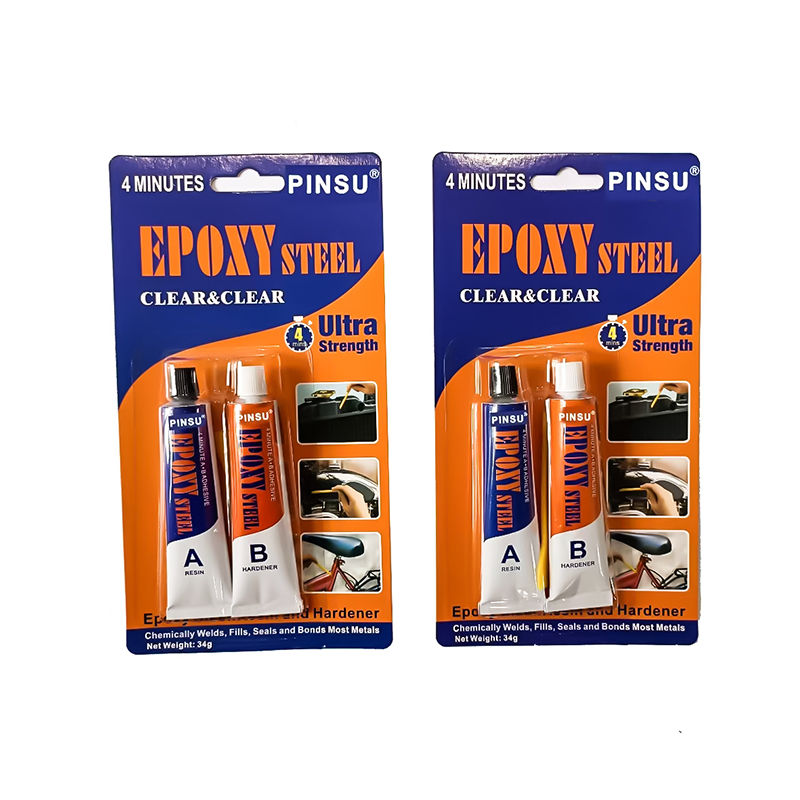
Introduction RTV (Room Temperature Vulcanizing) silicone gasket makers are among the most versatile and reliable sealing products used in both automotive and in...
READ MORE
REQUEST A QUOTE
Epoxy Resin AB Glue/Adhesive Manufacturers
About Us
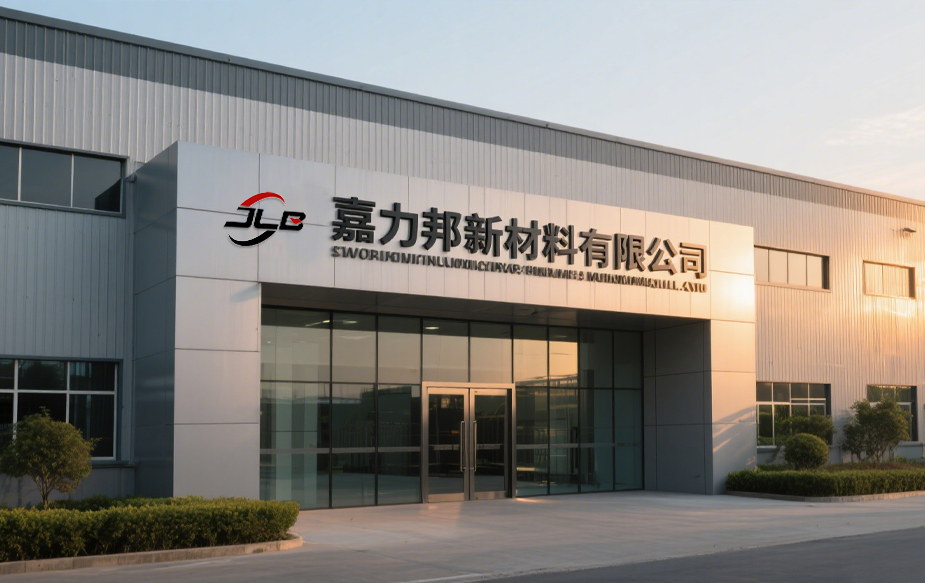
Hangzhou Jialibang New Materials Co., Ltd.
With over 20 years of experience, JIALIBANG specializes in high-performance sealants and adhesives. We are China Epoxy AB Glue Manufacturers and Wholesale Epoxy AB Adhesive, Epoxy Resin AB Glue Factory. Our product lines, including silicone sealants, RTV gasket makers, and epoxy AB glues, are trusted in construction, automotive, electronics, and PV sectors. Certified to international standards, we offer full OEM/ODM services tailored to global industrial needs.
News
-
-
Introduction In modern industry, construction, and home renovation, High-performance Sealants/Adhesives play an indispensable role. They not only provide strong...
READ MORE -
Selecting the correct joining technology for industrial assemblies is a critical decision that impacts reliability, maintenance costs, and product lifespan. Amo...
READ MORE -
Maintaining a clean and hygienic home environment often comes down to the smallest details. In areas frequently exposed to moisture, such as bathrooms and kitch...
READ MORE
Message Feedback
Epoxy AB adhesive Industry knowledge
Mastering Epoxy AB Glue: Applications, Parameters, and Industrial Solutions
Understanding the Curing Mechanism of Epoxy AB Glue
Epoxy AB Glue is a high-performance adhesive system consisting of two components: the resin (Part A) and the hardener (Part B). Unlike single-component adhesives that cure by evaporation or moisture, this two-part system cures through an exothermic chemical reaction. When the two parts are mixed in a precise ratio, a cross-linking process occurs, transforming the liquid mixture into a solid, thermosetting polymer.
Hangzhou Jialibang New Materials Co., Ltd. utilizes over 20 years of formulation experience to engineer Epoxy AB Glue products that offer consistent curing profiles and superior bond strength. This technology is fundamental for applications requiring structural integrity and chemical resistance.
Technical Parameters and Mixing Ratios
The performance of Epoxy AB Adhesive is heavily dependent on the accuracy of the mixing ratio and the specific formulation. Deviations from the recommended ratio can lead to a sticky surface, reduced strength, or chemical instability. Below is a table outlining typical technical parameters for industrial-grade epoxy adhesives produced by JIALIBANG.
| Parameter | Standard Grade | Structural Grade | Significance |
| Mixing Ratio (A:B) | 1:1 or 2:1 | 1:1 or 2:1 | Ensures complete chemical reaction and optimal hardness. |
| Shear Strength | 15 - 20 MPa | 20 - 30 MPa | Indicates the load-bearing capacity of the bond. |
| Working Time (Pot Life) | 20 - 60 minutes | 30 - 45 minutes | Time available for application before the mixture thickens. |
| Curing Time (Initial) | 2 - 4 hours | 3 - 5 hours | Time to reach handling strength. |
| Full Cure Time | 24 - 48 hours | 24 - 48 hours | Time to reach maximum chemical and physical properties. |
| Service Temperature | -40°C to +120°C | -50°C to +150°C | Operating temperature range after full cure. |
Structural Bonding with Epoxy AB Adhesive
In heavy-duty industries, Epoxy AB Adhesive is often used as a structural alternative to welding or mechanical fasteners like bolts and rivets. Its ability to distribute stress evenly across the bond line eliminates the stress concentrations associated with spot welds or drilled holes.
Advantages in Construction and Automotive Sectors
- High Load Bearing: Capable of supporting significant structural weight.
- Vibration Damping: The adhesive layer absorbs mechanical vibrations, improving fatigue resistance.
- Gap Filling: Ideal for bonding uneven or rough surfaces where mechanical fasteners cannot achieve a tight fit.
- Corrosion Prevention: Acts as a barrier that prevents galvanic corrosion between dissimilar metals.
Hangzhou Jialibang New Materials Co., Ltd. provides OEM/ODM services to tailor Epoxy AB Adhesive formulations for specific construction and automotive needs, ensuring compliance with rigorous international standards.
Aesthetic Applications of Epoxy Resin AB Glue
Beyond structural utility, Epoxy Resin AB Glue is celebrated for its optical clarity. This variant is specifically designed for decorative applications, such as river tables, jewelry encapsulation, and art coatings. The formulation is optimized for low viscosity, which helps in releasing air bubbles automatically to create a flawless, glass-like finish.
Key Features for Artistic Use
- High Transparency: Crystal clear finish that enhances the visual depth of the substrate.
- UV Resistance: Formulated to resist yellowing when exposed to sunlight over time.
- Self-Leveling: Flows smoothly to form a uniform thickness on flat surfaces.
Electronic Encapsulation and Insulation
In the electronics and PV sectors, Epoxy AB Glue serves a dual purpose: mechanical fixation and environmental protection. It acts as an insulating potting compound that protects sensitive circuit boards from moisture, dust, and thermal shock.
The chemical stability of epoxy resins makes them an ideal choice for potting transformers, capacitors, and modules. JIALIBANG ensures that its epoxy products used in electronics possess excellent dielectric properties and adhesion to various substrates, including metals, ceramics, and composite plastics.
Comparative Analysis: Epoxy vs. Other Sealants
Choosing the right adhesive requires understanding how Epoxy AB Adhesive compares to other product lines offered by Hangzhou Jialibang, such as silicone sealants and anaerobic adhesives.
- Flexibility: Epoxy cures rigid and hard. Silicone sealants remain flexible and elastic, making them better for moving joints or thermal expansion gaps.
- Strength: Epoxy offers the highest tensile and shear strength. Anaerobic adhesives are designed specifically for metal-to-metal locking and sealing threads.
- Substrate Compatibility: Epoxy bonds well to a vast range of substrates including wood, metal, and glass. Anaerobic adhesives require active metal surfaces to cure.
By offering a comprehensive portfolio including RTV gasket makers and epoxy AB glues, Hangzhou Jialibang New Materials Co., Ltd. provides a one-stop solution for diverse industrial bonding challenges.
FAQ
How long does Epoxy AB Glue take to cure completely?
The curing time for Epoxy AB Glue depends on the specific formulation and environmental conditions. Typically, the initial set time ranges from 2 to 5 hours, allowing the part to be handled. However, full chemical cure, which achieves maximum strength and chemical resistance, generally requires 24 to 48 hours at room temperature (25°C). Accelerated curing can be achieved by applying mild heat, such as using a heat gun or placing the assembly in an oven, which can reduce the full cure time to just a few hours.
Why is my Epoxy AB Adhesive surface sticky after curing?
A sticky or tacky surface after the curing period usually indicates an incorrect mixing ratio or insufficient mixing. Epoxy AB Adhesive relies on a precise stoichiometric balance between the resin and hardener. If too much resin is used, it will remain uncured and greasy. Additionally, failing to scrape the sides and bottom of the mixing container can result in unmixed material being applied to the workpiece. Always measure the components accurately by weight or volume as specified by the manufacturer, and mix thoroughly for the recommended duration.
Can Epoxy Resin AB Glue be used for outdoor projects?
Yes, high-quality Epoxy Resin AB Glue can be used for outdoor projects, but UV resistance is a critical factor. Standard epoxy formulations tend to yellow and degrade when exposed to prolonged ultraviolet radiation. JIALIBANG offers formulations with UV stabilizers and additives that significantly improve weatherability. For outdoor applications like bar tops or outdoor art installations, it is essential to select a grade specifically labeled as UV resistant or to apply a UV-protective top coat to ensure longevity.
Is Epoxy AB Glue waterproof?
Once fully cured, Epoxy AB Glue is highly water-resistant and creates a waterproof barrier. This makes it an excellent choice for marine applications, bathroom fixtures, and outdoor sealing. The cross-linked molecular structure of cured epoxy prevents water penetration, and it adheres well to surfaces like metal, wood, and glass. However, it is important to ensure the surface is clean and dry before application to guarantee a waterproof bond.
How do I remove bubbles from Epoxy Resin AB Glue?
Removing bubbles is essential for achieving a professional crystal-clear finish. The most effective method involves using a heat gun or a small torch passed quickly over the surface of the freshly poured resin. The heat lowers the surface tension, allowing bubbles to rise and pop. Alternatively, warming the resin containers before mixing can reduce viscosity, making it easier for bubbles to escape naturally. JIALIBANG formulates its casting resins with optimal viscosity to facilitate rapid air release, minimizing the effort required for degassing.
QUICK LINKS
PRODUCTS
CONTACT INFO
- +86-15306543011
- [email protected]
- Unit 5, Building B, Phase 11, Shutai Health Industry Park, Economic Development Zone, Tonglu Country, Hangzhou City, Zhejiang Province, China.
QR CODE
Copyright © 2023 Hangzhou Jialibang New Materials Co., Ltd. All Rights Reserved.
Wholesale Epoxy AB Glue, Epoxy AB Adhesive, Epoxy Resin AB Glue Manufacturers

 TOP
TOP