
 ENG
ENG
 English
 中文简体
中文简体 русский
 Español
 عربى
عربى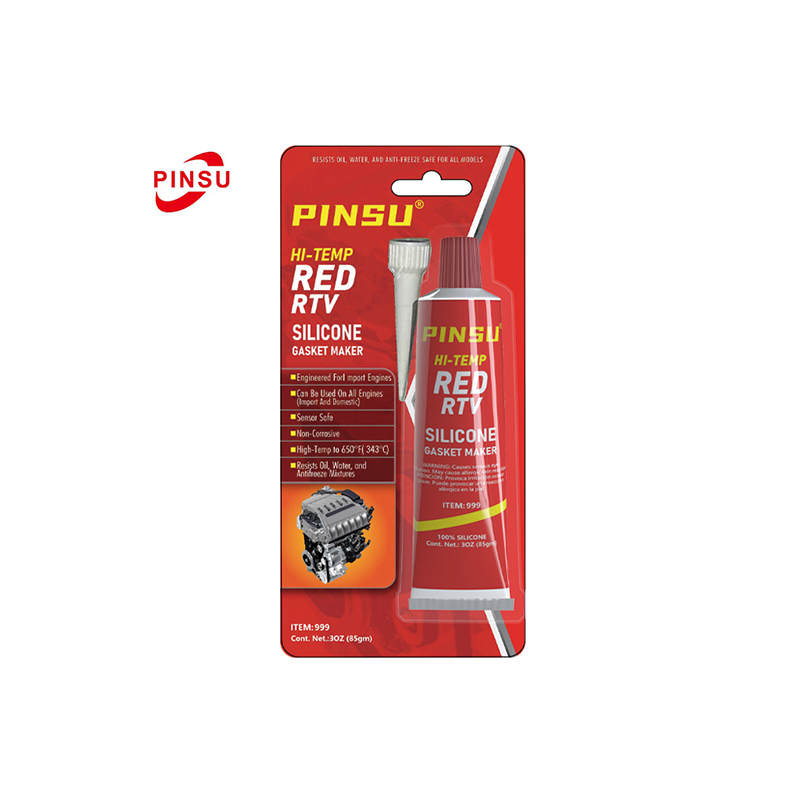
Introduction RTV (Room Temperature Vulcanizing) silicone gasket makers are among the most versatile and reliable sealing products used in both automotive and in...
READ MORE
REQUEST A QUOTE
Hi Temp RTV Silicone Gasket Sealant Maker Manufacturers
Automotive RTV sealant is a single-component, room-temperature-curing silicone sealing material designed for sealing high-temperature and high-pressure parts such as automotive engines and gearboxes. Its unique formula can form elastic sealing gaskets on metal joints, replacing traditional solid gaskets, and is widely used in modern automotive maintenance and manufacturing fields.
About Us
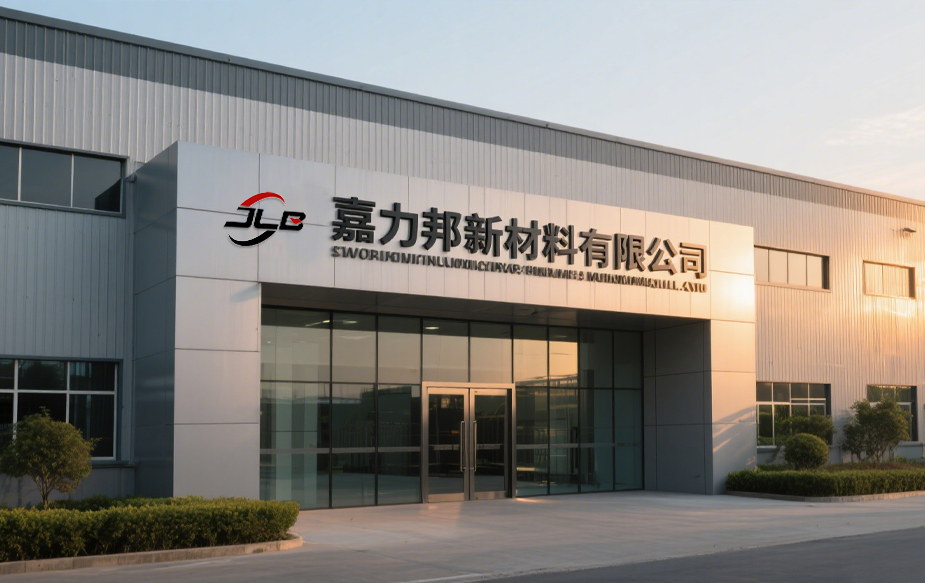
Hangzhou Jialibang New Materials Co., Ltd.
With over 20 years of experience, JIALIBANG specializes in high-performance sealants and adhesives. We are China RTV Gasket Sealant Manufacturers and Wholesale Hi Temp RTV Silicone Gasket Maker Factory. Our product lines, including silicone sealants, RTV gasket makers, and epoxy AB glues, are trusted in construction, automotive, electronics, and PV sectors. Certified to international standards, we offer full OEM/ODM services tailored to global industrial needs.
News
-
-
Introduction In modern industry, construction, and home renovation, High-performance Sealants/Adhesives play an indispensable role. They not only provide strong...
READ MORE -
Selecting the correct joining technology for industrial assemblies is a critical decision that impacts reliability, maintenance costs, and product lifespan. Amo...
READ MORE -
Maintaining a clean and hygienic home environment often comes down to the smallest details. In areas frequently exposed to moisture, such as bathrooms and kitch...
READ MORE
Message Feedback
RTV Silicone Gasket Maker Industry knowledge
Comprehensive Guide to RTV Gasket Sealant and High Temperature Silicone Solutions
Understanding RTV Gasket Sealant Technology
RTV Gasket Sealant represents a cornerstone in modern industrial sealing technology. RTV stands for Room Temperature Vulcanizing, which describes a silicone rubber that cures at ambient temperature when exposed to atmospheric moisture. Unlike traditional pre-cut gaskets that can fail due to compression set or surface imperfections, RTV Gasket Sealant is a liquid applied directly to the flange surface. It fills microscopic irregularities and cures to form a tough, rubbery gasket that creates a leak-proof seal.
Hangzhou Jialibang New Materials Co., Ltd. utilizes over 20 years of formulation expertise to produce high-performance RTV silicone gasket makers. These products are trusted in the automotive and construction sectors for their ability to withstand vibration, thermal cycling, and high pressures, providing a reliable alternative to solid gaskets.
Performance Parameters of Standard RTV Gasket Sealant
The effectiveness of a sealant is determined by its physical properties. Engineers and mechanics must consider parameters such as tensile strength, elongation, and temperature range to ensure compatibility with the operating environment. Below is a table outlining the typical technical specifications for standard industrial-grade RTV Gasket Sealant.
| Parameter | Standard Specification | Significance |
| Working Temperature | -50°C to +200°C | Range where the sealant maintains elasticity and strength. |
| Tack-Free Time | 10 - 20 minutes | Time window for assembly after application before skin forms. |
| Full Cure Time | 24 hours (approx.) | Time required to achieve maximum physical properties. |
| Hardness (Shore A) | 30 - 50 | Indicates the firmness of the cured rubber; balances flexibility and support. |
| Elongation at Break | 300% - 500% | Ability to stretch without breaking; crucial for thermal expansion. |
| Fluid Resistance | Oil, Water, Coolant | Resistance to automotive and industrial fluids. |
Hi Temp RTV Silicone Gasket Maker for Extreme Conditions
In applications such as exhaust manifolds, turbochargers, and high-heat industrial equipment, standard silicone may degrade. This is where Hi Temp RTV Silicone Gasket Maker becomes essential. These specialized formulations contain additives that stabilize the silicone polymer backbone against thermal breakdown.
Key Advantages of High-Temperature Formulations
- Superior Thermal Stability: Withstands continuous temperatures up to +300°C (572°F) or higher.
- Oxidation Resistance: Prevents cracking and hardening caused by prolonged heat exposure.
- High Pressure Tolerance: Maintains a tight seal even when subjected to the pressure spikes associated with combustion engines.
Hangzhou Jialibang New Materials Co., Ltd. has developed its Hi Temp RTV Silicone Gasket Maker to specifically address these rigorous demands. Certified to international standards, JIALIBANG products ensure that engines and machinery remain sealed even under the most stressful operating conditions.
Vibration Dampening and Automotive Applications
A critical function of RTV Gasket Sealant in automotive powertrains is vibration dampening. Engines and transmissions generate significant mechanical vibration which can loosen bolts and cause rigid seals to fracture. The elastomeric nature of cured RTV silicone absorbs these vibrations, protecting the flange interface.
- Engine Blocks: Seals oil pans and valve covers against oil leakage.
- Transmission Housings: Prevents fluid loss and protects internal components.
- Water Pumps: Creates a seal that resists coolant and pressure.
JIALIBANG's formulations are engineered to resist oil, antifreeze, and transmission fluids, ensuring long-term durability. This makes Hangzhou Jialibang a preferred partner for global automotive manufacturers seeking OEM/ODM solutions tailored to specific industrial needs.
Selecting the Right Sealant: RTV Silicone vs. Anaerobic Adhesive
Choosing the correct sealing product is vital for maintenance success. While Hangzhou Jialibang produces both, understanding the difference is key. RTV Gasket Sealant is best for flexible seals, flanges with large gaps, or surfaces that need to be disassembled later. Anaerobic Adhesive, conversely, cures only in the absence of air and in the presence of metal, making it ideal for rigid metal-to-metal assemblies and threadlocking.
FAQ
Can I use Hi Temp RTV Silicone Gasket Maker on an exhaust manifold?
Yes, Hi Temp RTV Silicone Gasket Maker is specifically designed for high-heat applications like exhaust manifolds and headers. Standard silicone sealants typically fail at temperatures exceeding 200°C. However, high-temperature grades from manufacturers like Hangzhou Jialibang are formulated to withstand continuous temperatures up to 300°C or higher, preventing exhaust leaks and resisting oxidation caused by extreme heat cycling.
How long should I wait for RTV Gasket Sealant to cure before starting the engine?
While RTV Gasket Sealant becomes tack-free in approximately 10 to 20 minutes, it is generally recommended to wait at least one hour before filling the system with fluids and significantly longer before starting the engine to allow for full curing. Ideally, allowing the sealant to cure for 24 hours ensures maximum strength and chemical resistance. Always refer to the specific product technical data sheet provided by Hangzhou Jialibang for precise curing times.
What happens if I apply RTV silicone too thickly?
Applying RTG Gasket Sealant too thickly can lead to sealing failures. Excessive material can squeeze out into the engine or transmission interior, potentially clogging oil passages or filters. Furthermore, because RTV silicone cures by reacting with atmospheric moisture, a very thick layer may cure only on the outside while remaining liquid in the center, resulting in a weak seal and possible leakage. A bead diameter of 1/16" to 1/8" is typically sufficient.
Is RTV Gasket Sealant resistant to gasoline?
Standard silicone sealants generally have poor resistance to gasoline and may swell or degrade upon contact. For applications involving fuel, specialized fuel-resistant silicones or anaerobic products are required. However, for engine oil, transmission fluid, and coolant, the RTV silicone products manufactured by Hangzhou Jialibang offer excellent chemical resistance and are highly recommended for those specific automotive applications.
Do I need to remove the old gasket before applying new RTV Silicone?
Yes, it is critical to remove all traces of the old gasket or sealant before applying new RTV Gasket Sealant. The new sealant requires a clean, dry surface to bond effectively. Residual debris, oil, or old gasket material can prevent the sealant from adhering properly, leading to premature failure. Use a scraper and a suitable solvent to prepare the flange surface thoroughly before application.
QUICK LINKS
PRODUCTS
CONTACT INFO
- +86-15306543011
- [email protected]
- Unit 5, Building B, Phase 11, Shutai Health Industry Park, Economic Development Zone, Tonglu Country, Hangzhou City, Zhejiang Province, China.
QR CODE
Copyright © 2023 Hangzhou Jialibang New Materials Co., Ltd. All Rights Reserved.
Wholesale RTV Gasket Sealant, Hi Temp RTV Silicone Gasket Maker Manufacturers

 TOP
TOP