
 ENG
ENG
 English
 中文简体
中文简体 русский
 Español
 عربى
عربى
Introduction: The Importance of Leak Prevention in Industrial Machinery
In the industrial world, machinery plays a pivotal role in ensuring smooth operations. However, equipment and machinery are often exposed to conditions such as high temperatures, pressures, and exposure to various chemicals. As a result, leaks become a significant concern for manufacturers and operators. Leaks in industrial machinery can inefficiency, safety hazards, and costly downtime.
RTV (Room Temperature Vulcanizing) gasket sealant is a reliable solution for preventing leaks in industrial machinery. This silicone-based sealant provides a durable and flexible barrier that protects machinery components from leaks and contamination.
What is RTV Gasket Sealant?
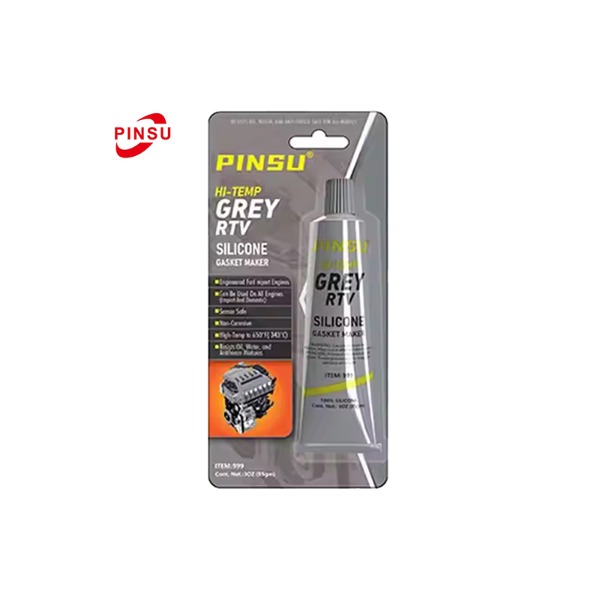
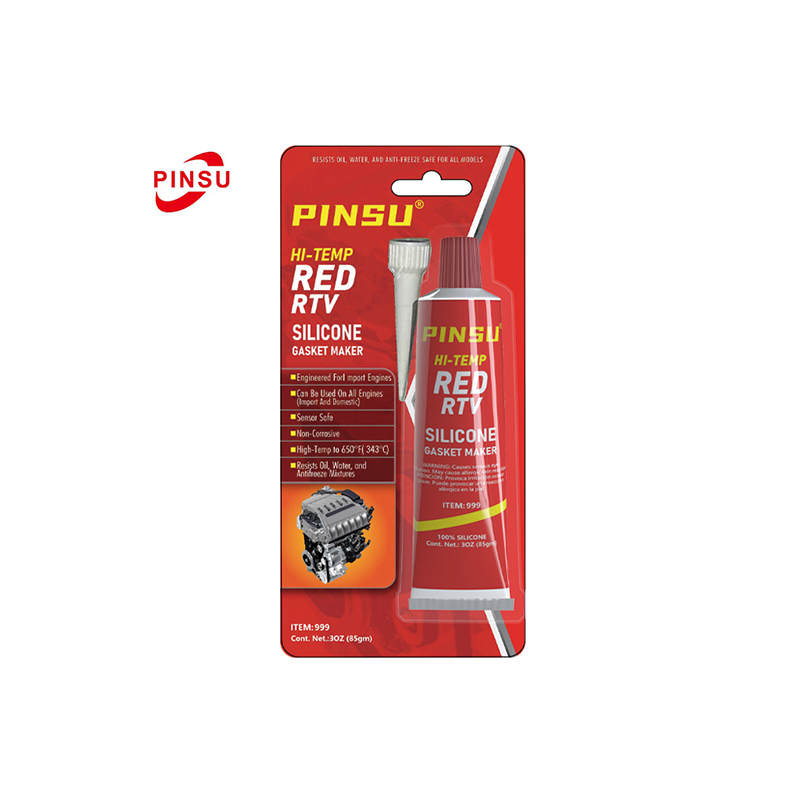
RTV gasket sealant is a type of sealant designed to create a secure, flexible, and durable seal around joints and connections in machinery. The RTV silicone gasket maker is known for its ability to withstand high temperatures, pressure fluctuations, and exposure to aggressive chemicals. RTV sealants are used in various industrial applications, including engines, compressors, and heavy machinery, to prevent leakage and enhance the overall efficiency of operations.
There are several types of RTV sealants, but the commonly used are:
- RTV Silicone Gasket Makers: These are typically used to create custom gaskets in engines, pumps, and other machinery components.
- RTV Gasket Sealants: These are ready-to-use sealants that eliminate the need for pre-made gaskets and provide a more cost-effective sealing solution.
The primary function of RTV sealant is to form a strong bond between surfaces, preventing leaks of gases, liquids, and other substances. RTV sealant cures at room temperature, forming a permanent, flexible bond between the parts.
Key Benefits of RTV Gasket Sealant in Leak Prevention
RTV gasket sealants offer a variety of advantages in preventing leaks in industrial machinery. Some of the key benefits include:
-
High Temperature Resistance: RTV sealants are designed to withstand high operating temperatures. This makes them suitable for use in machinery exposed to heat, such as engines and exhaust systems.
-
Chemical Resistance: RTV silicone gasket makers are resistant to a wide range of chemicals, making them ideal for sealing machinery exposed to oils, fuels, solvents, and other chemicals used in industrial processes.
-
Flexibility: RTV gasket sealants provide flexibility after curing, allowing them to adapt to changes in temperature and pressure without cracking or losing effectiveness.
-
Ease of Application: RTV gasket sealants are easy to apply. They can be spread or dispensed directly onto the surface where the gasket needs to be formed, eliminating the need for cutting or fitting pre-made gaskets.
-
Cost-Effectiveness: Using RTV silicone gasket makers is often more economical than using pre-manufactured gaskets, especially for complex shapes or custom applications.
Applications of RTV Gasket Sealant in Industrial Machinery
RTV gasket sealants are versatile and used in various machinery applications to improve leak prevention. Some of the common uses in industrial machinery include:
- Engines and Power Generation: RTV sealants are widely used to seal engine components, including valve covers, oil pans, and intake manifolds. They help prevent leaks of oils, fuels, and gases.
- Compressors and Pumps: These sealants are ideal for sealing joints in compressors, pumps, and other fluid-handling machinery. They help prevent leaks of pressurized fluids, enhancing operational efficiency.
- Automotive and Aerospace: RTV gasket sealants are used in automotive and aerospace applications to seal critical components, such as cylinder heads, gaskets, and exhaust systems.
- Hydraulic Systems: RTV sealants can withstand high pressures in hydraulic systems, preventing leakage of hydraulic fluids that can cause performance issues.
How RTV Gasket Sealant Improves Leak Prevention
The primary mechanism by which RTV gasket sealant improves leak prevention lies in its unique ability to bond and form flexible seals under various conditions. Let’s examine how RTV silicone gasket makers work in detail:
-
Forming a Strong Bond: RTV sealant creates a strong adhesive bond between surfaces, ensuring a tight seal. This bond prevents fluids, gases, and other materials from leaking through joints, even under conditions.
-
Adaptability to Surface Irregularities: Industrial machinery components often have irregular surfaces. RTV sealants flow into small gaps and cracks, filling any voids and preventing leaks from occurring.
-
Durability: Once RTV sealant cures, it becomes durable and long-lasting. It can withstand continuous exposure to high pressure, temperature fluctuations, and harsh chemicals without breaking down, ensuring that the seal remains intact over time.
-
Prevention of Corrosion: Leaking fluids, especially oils and chemicals, can corrosion of metal components. RTV sealants prevent this by creating a protective barrier that stops the leak before it causes damage.
Choosing the Right RTV Gasket Sealant
Selecting the right RTV gasket sealant depends on several factors, including the application, environmental conditions, and the specific needs of the machinery. When choosing an RTV silicone gasket maker, consider the following:
- Temperature Resistance: Ensure that the RTV sealant can withstand the temperature range your machinery operates in.
- Chemical Compatibility: Choose an RTV sealant that is compatible with the types of fluids and chemicals present in your machinery.
- Cure Time: Depending on your application, you may require a fast-curing RTV sealant or one with a longer cure time for better handling.
- Application Method: RTV gasket sealants come in various forms, including tubes, cartridges, and pastes. Select the one that suits your application process best.
Types of RTV Gasket Sealants and Their Applications
| Type of RTV Sealant | Temperature Resistance | Chemical Resistance | Common Applications |
|---|---|---|---|
| High-Temperature RTV Sealant | Up to 650°F (343°C) | Oils, fuels, solvents | Engines, exhaust systems, automotive applications |
| General-Purpose RTV Sealant | Up to 400°F (204°C) | Water, oils, mild chemicals | Pumps, compressors, general industrial machinery |
| Food-Grade RTV Sealant | Up to 250°F (121°C) | Food-safe materials | Food processing equipment and machinery |
| Ultra-High Temperature RTV | Up to 750°F (399°C) | Harsh chemicals | Aerospace, power generation, high-performance engines |
Conclusion
RTV gasket sealants play an essential role in improving leak prevention in industrial machinery. By providing durable, flexible, and reliable sealing solutions, RTV silicone gasket makers enhance the overall efficiency and safety of machinery. Whether it’s engines, compressors, or hydraulic systems, RTV sealants are a cost-effective solution that prevents leaks and minimizes the risks associated with equipment failure.
FAQ
1. What is RTV gasket sealant used for?
RTV gasket sealant is used to create durable and flexible seals in machinery to prevent leaks of fluids and gases.
2. How does RTV sealant work in preventing leaks?
RTV sealant bonds surfaces tightly and fills in gaps or cracks, forming a durable seal that prevents leaks under high pressure and temperature conditions.
3. Can RTV gasket sealant be used in high-temperature applications?
Yes, RTV sealants are available in varieties that can withstand high temperatures, making them suitable for engines, exhaust systems, and power generation equipment.
4. Is RTV gasket sealant easy to apply?
RTV gasket sealants are relatively easy to apply, either directly or with tools like caulk guns, making them a practical choice for many industrial applications.
5. How long does it take for RTV sealant to cure?
Cure times for RTV sealants vary depending on the specific type, but cure at room temperature within 24 hours for a full bond.

 TOP
TOP