
 ENG
ENG
 English
 中文简体
中文简体 русский
 Español
 عربى
عربى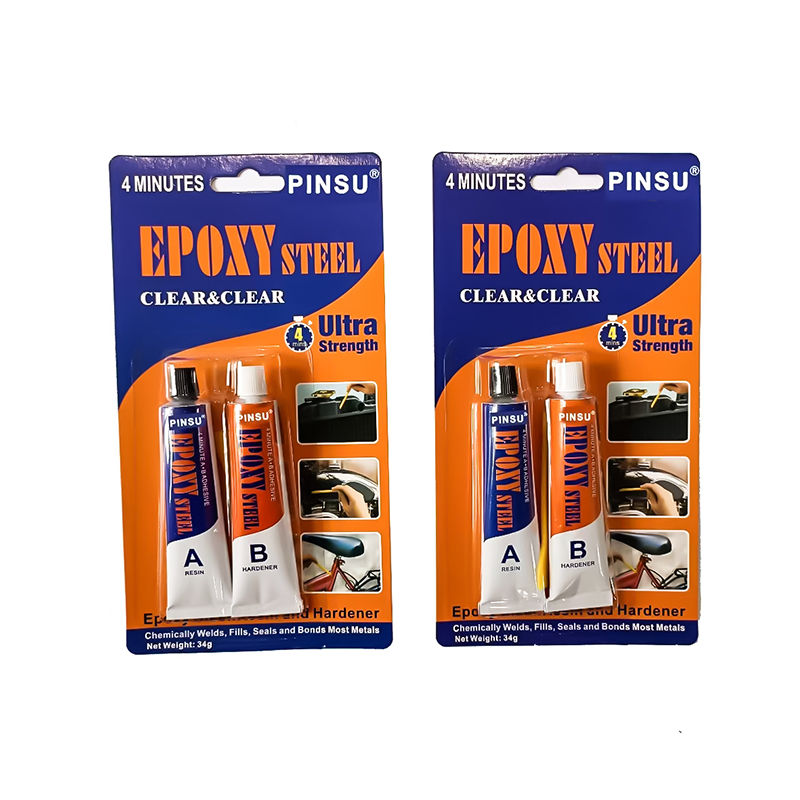
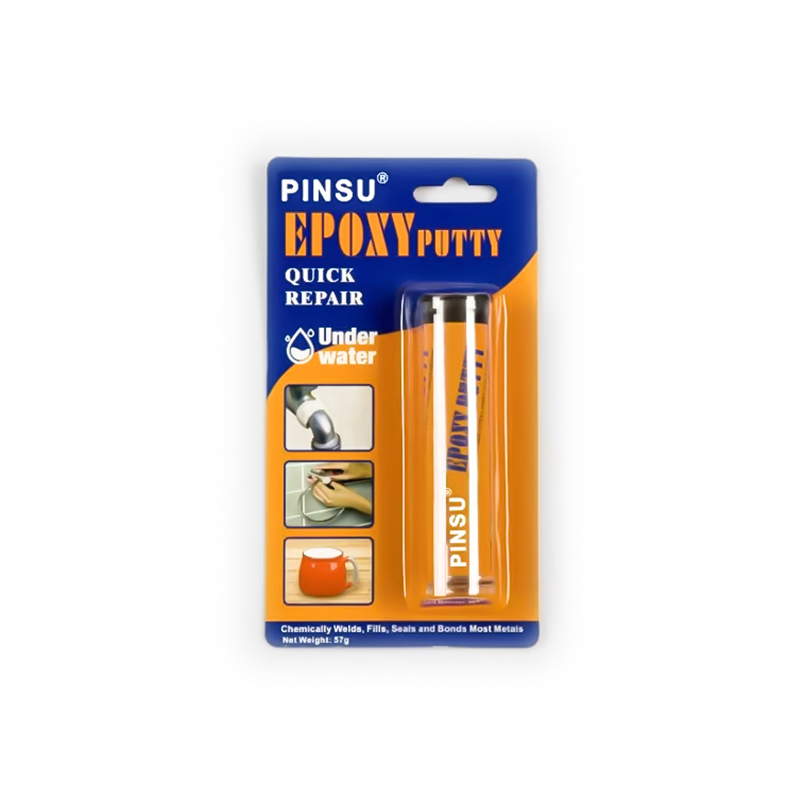
Introduction RTV (Room Temperature Vulcanizing) silicone gasket makers are among the most versatile and reliable sealing products used in both automotive and in...
READ MORE
REQUEST A QUOTE
Epoxy AB Epoxy Glue/Adhesive Manufacturers
This product is a two-component adhesive system composed of high-performance epoxy resin and high-quality curing agent, featuring extremely strong bonding strength, chemical corrosion resistance and outstanding mechanical properties. After curing, it forms a bonding layer as hard as steel, capable of withstanding high loads and strong impacts. It is a professional choice for industrial maintenance, metal bonding, process manufacturing and other fields.
About Us
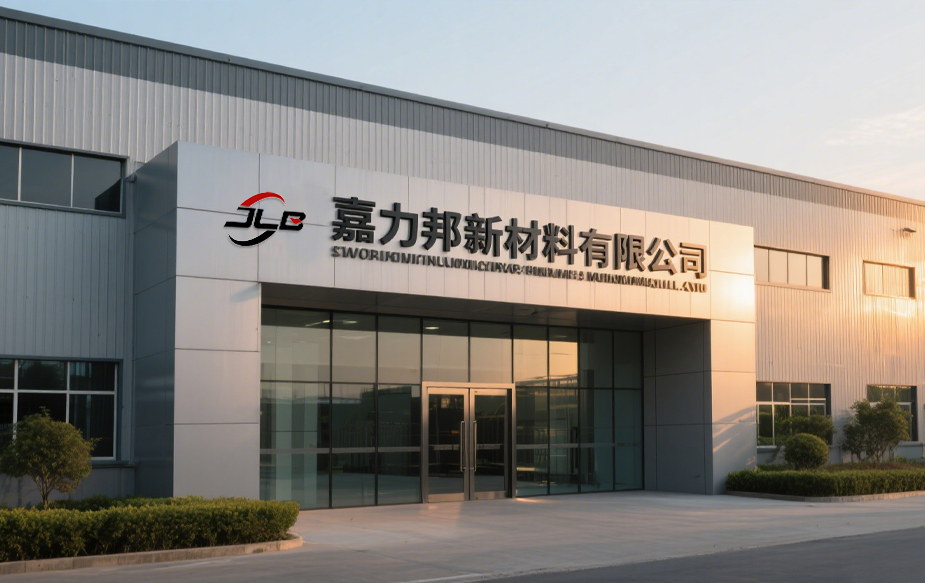
Hangzhou Jialibang New Materials Co., Ltd.
With over 20 years of experience, JIALIBANG specializes in high-performance sealants and adhesives. We are China Epoxy AB Adhesive Manufacturers and Wholesale AB Epoxy Glue Factory. Our product lines, including silicone sealants, RTV gasket makers, and epoxy AB glues, are trusted in construction, automotive, electronics, and PV sectors. Certified to international standards, we offer full OEM/ODM services tailored to global industrial needs.
News
-
-
Introduction In modern industry, construction, and home renovation, High-performance Sealants/Adhesives play an indispensable role. They not only provide strong...
READ MORE -
Selecting the correct joining technology for industrial assemblies is a critical decision that impacts reliability, maintenance costs, and product lifespan. Amo...
READ MORE -
Maintaining a clean and hygienic home environment often comes down to the smallest details. In areas frequently exposed to moisture, such as bathrooms and kitch...
READ MORE
Message Feedback
Epoxy AB adhesive Industry knowledge
Industry Knowledge: Epoxy AB Adhesive Technology and Solutions
1. Curing Mechanism and Work Life Control of Two-Part Epoxy AB Adhesive
Epoxy AB Adhesive systems consist of a resin (Part A) and a hardener (Part B). When mixed in the correct ratio, an exothermic chemical reaction initiates polymerization, transforming the liquid components into a solid, high-strength thermoset polymer. The speed of this reaction, known as the work life or pot life, is a critical parameter for industrial applications. Manufacturers like Hangzhou Jialibang New Materials Co., Ltd. can formulate adhesives with controlled reactivity to match specific assembly line requirements, from fast-setting options for high-speed production to slower-curing versions for large-area bonding.
Controlled Parameters:
- Mix Ratio (by volume or weight): Precise ratios, commonly 1:1 or 2:1, ensure complete reaction and optimal properties.
- Work Life (minutes at 25°C): The available time for application after mixing, ranging from 5 minutes to several hours.
- Initial Cure Time (hours): Time to reach handling strength, allowing for part movement.
- Full Cure Time (hours/days): Time to achieve ultimate mechanical and chemical resistance.
- Peak Exothermic Temperature (℃): Maximum heat generated during cure, important for heat-sensitive components.
2. Selecting the Right AB Epoxy Glue for Various Substrates
The effectiveness of an AB Epoxy Glue heavily depends on its compatibility with the substrates being joined. Epoxy formulations can be tailored with specific adhesion promoters to bond a wide array of materials. For structural bonding in sectors like construction and automotive, which are key markets for Hangzhou Jialibang, selecting an adhesive with proven shear and peel strength on specific surfaces like metals, composites, or engineering plastics is essential for joint reliability and longevity.
Performance Parameters by Substrate:
- Lap Shear Strength (MPa): Measures adhesive strength on specific substrates, e.g., Aluminum-to-Aluminum or Steel-to-Steel.
- T-Peel Strength (N/mm): Critical for flexible substrates or when joints may experience peeling forces.
- Impact Strength (kJ/m²): Indicates the adhesive's ability to absorb shock and resist brittle failure.
- Substrate Compatibility Chart: Guides selection for metals, ceramics, rigid plastics, and composites.
3. Balancing Thermal Conductivity and Electrical Insulation in Electronic Epoxy AB Adhesives
In the electronics and photovoltaic (PV) sectors, Epoxy AB Adhesives serve a dual purpose: they must provide robust mechanical bonding while managing heat dissipation from sensitive components. This is achieved by loading the epoxy matrix with thermally conductive, yet electrically insulating, fillers such as alumina or boron nitride. This balancing act ensures that the adhesive protects circuits from shorting while efficiently transferring heat to sinks or the environment, a critical requirement for reliability in modern electronics.
Critical Functional Properties:
- Thermal Conductivity (W/m·K): The rate at which heat passes through the cured adhesive.
- Volume Resistivity (Ω·cm): A measure of the adhesive's electrical insulation capability.
- Dielectric Strength (kV/mm): The maximum electric field the adhesive can withstand without breakdown.
- Glass Transition Temperature (Tg) (℃): The temperature at which the cured polymer begins to soften, affecting performance limits.
4. Environmental Resistance of Industrial Epoxy AB Glue: Weathering and Chemical Exposure
Industrial applications, from automotive under-hood components to building construction materials, demand adhesives that endure harsh environments. High-performance Epoxy AB Glue, like those produced by Hangzhou Jialibang New Materials Co., Ltd., is formulated to resist moisture, salt spray, temperature extremes, and chemical attack (oils, fuels, solvents). The cross-linked density of the cured epoxy network is key to providing this robust barrier against environmental degradation, ensuring long-term structural integrity.
Durability Parameters:
- Service Temperature Range (℃): The continuous temperature limits for structural integrity, often from -40°C to +150°C or higher.
- Water Absorption Rate (%): Lower absorption typically correlates with better dimensional stability and durability in humid conditions.
- Salt Spray Resistance (hours): Ability to withstand corrosive saline environments without bond line failure.
- Chemical Resistance (% strength retention): Retained bond strength after immersion in specific fluids.
5. From Standard Products to Custom Solutions: The OEM/ODM Process for Epoxy AB Adhesive
Leveraging over 20 years of experience, Hangzhou Jialibang New Materials Co., Ltd. offers comprehensive OEM and ODM services, moving beyond standard product supply. This involves close collaboration with global clients to develop tailored adhesive solutions. The process encompasses modifying existing formulations—adjusting viscosity, color, or cure speed—or creating entirely new ones to meet specific industrial performance criteria, packaging requirements (e.g., dual-barrel syringes, bulk containers), and compliance with international standards like ISO, RoHS, and REACH.
Customization Capabilities and Parameters:
- Viscosity Range (mPa·s): Tailored from free-flowing for penetration to non-sag pastes for vertical applications.
- Color Customization: Clear, opaque, or colors matched for quality control or aesthetic purposes.
- Packaging Formats: Coaxial cartridges, dual-pouch kits, bottles, or drums.
- Standards Compliance: Formulations meeting ISO, RoHS, REACH, and specific industry certifications.
- R&D Technical Support: Collaborative development and testing to validate performance in target applications.
FAQ
What is the difference between 1-part and 2-part (AB) epoxy adhesive?
The fundamental difference lies in the curing mechanism. A 1-part epoxy is a pre-mixed resin and hardener that requires elevated temperatures (typically 120-200°C) to cure, making it suitable for heat-resistant assemblies and high-speed oven curing lines. An Epoxy AB Adhesive, or 2-part system, keeps the resin and hardener separate, curing at room or low temperatures once mixed. This allows for bonding of heat-sensitive materials like plastics and electronics and is more versatile for on-site or manual assembly where heating isn't feasible.
How do I properly mix and apply AB Epoxy Glue for maximum strength?
Proper mixing is crucial. First, dispense the exact ratio of Part A (resin) and Part B (hardener) as specified by the manufacturer, such as Hangzhou Jialibang. Inaccurate ratios can lead to incomplete curing and weak bonds. Mix thoroughly for the recommended time, scraping the sides and bottom of the container to ensure a uniform color and consistency. Apply a thin, even layer to both prepared (clean, dry, and possibly abraded) surfaces. Assemble promptly within the work life and apply even clamping pressure until the initial cure is achieved to ensure intimate contact and maximum bond strength.
Can Epoxy AB Adhesive bond plastics?
Yes, but success depends on the plastic type and the specific epoxy formulation. Epoxy AB Adhesives generally bond well to many engineering plastics like ABS, PVC, polycarbonate, and fiber-reinforced composites. However, they struggle with low-surface-energy plastics such as polyethylene (PE), polypropylene (PP), or Teflon (PTFE) without special surface treatments like corona, plasma, or chemical priming. For bonding plastics to metals or other materials, epoxy is often an excellent choice due to its gap-filling properties and durability. Consulting a manufacturer like Hangzhou Jialibang can help in selecting a grade optimized for plastic bonding.
How long does it take for Epoxy AB Glue to fully cure?
Cure time varies significantly based on the specific product formulation, ambient temperature, and the mass of the mixed adhesive. Most standard Epoxy AB Glues reach an initial "handling" or "fixture" strength within 30 minutes to a few hours, allowing for careful movement of the bonded assembly. However, full cure, where the adhesive achieves its ultimate mechanical and chemical resistance properties, typically takes 24 to 72 hours at room temperature (25°C). Lower temperatures can significantly slow the cure, while gentle heat (below the heat distortion temperature) can accelerate it. Always refer to the specific product's Technical Data Sheet (TDS) for exact times.
What are the common safety precautions when using AB Epoxy Glue?
Epoxy adhesives contain chemicals that can cause skin sensitization or irritation with repeated or prolonged contact. Always wear chemical-resistant gloves (such as nitrile) when handling. Avoid skin contact by using tools for mixing and application. Work in a well-ventilated area to minimize inhalation of vapors, especially during mixing and the early stages of cure. In case of skin contact, wipe off immediately with a dry cloth (do not use solvents) and then wash thoroughly with soap and water. Refer to the product's Material Safety Data Sheet (MSDS) for comprehensive safety information provided by the manufacturer.
QUICK LINKS
PRODUCTS
CONTACT INFO
- +86-15306543011
- [email protected]
- Unit 5, Building B, Phase 11, Shutai Health Industry Park, Economic Development Zone, Tonglu Country, Hangzhou City, Zhejiang Province, China.
QR CODE
Copyright © 2023 Hangzhou Jialibang New Materials Co., Ltd. All Rights Reserved.
Wholesale Epoxy AB Adhesive, AB Epoxy Glue Manufacturers

 TOP
TOP