
 ENG
ENG
 English
 中文简体
中文简体 русский
 Español
 عربى
عربى
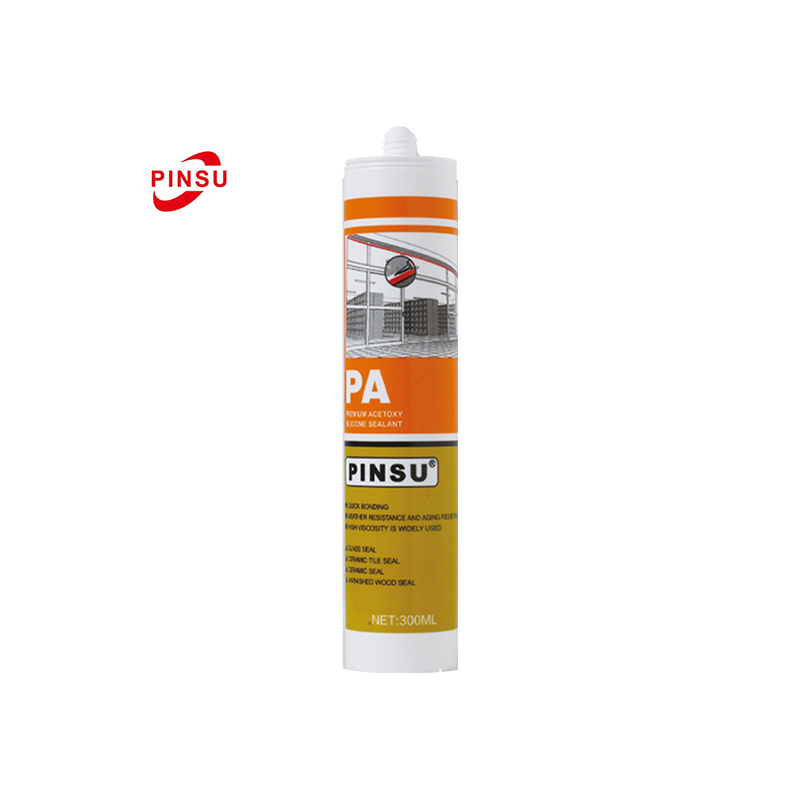
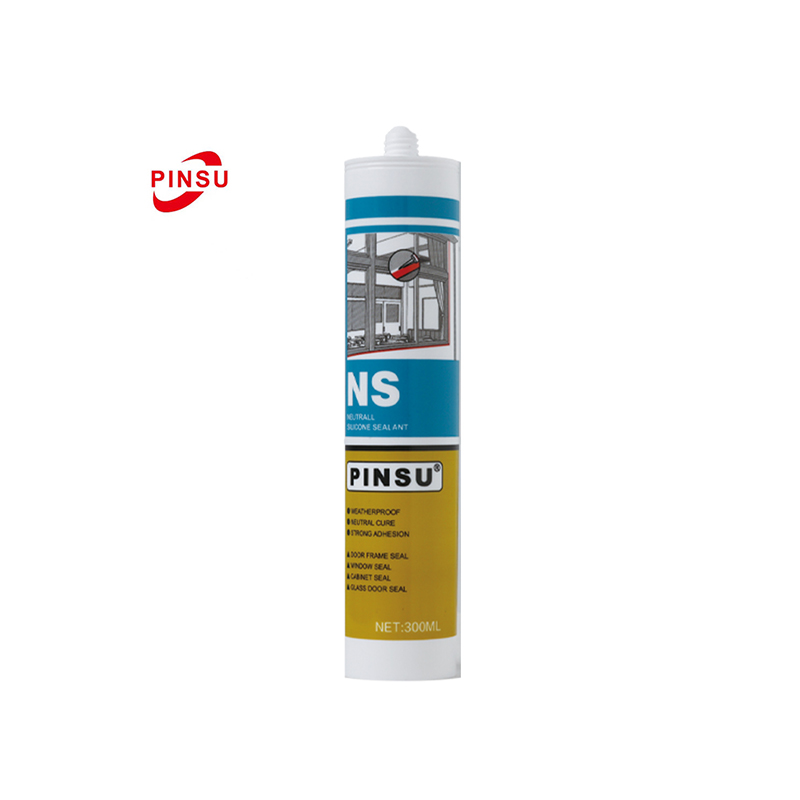
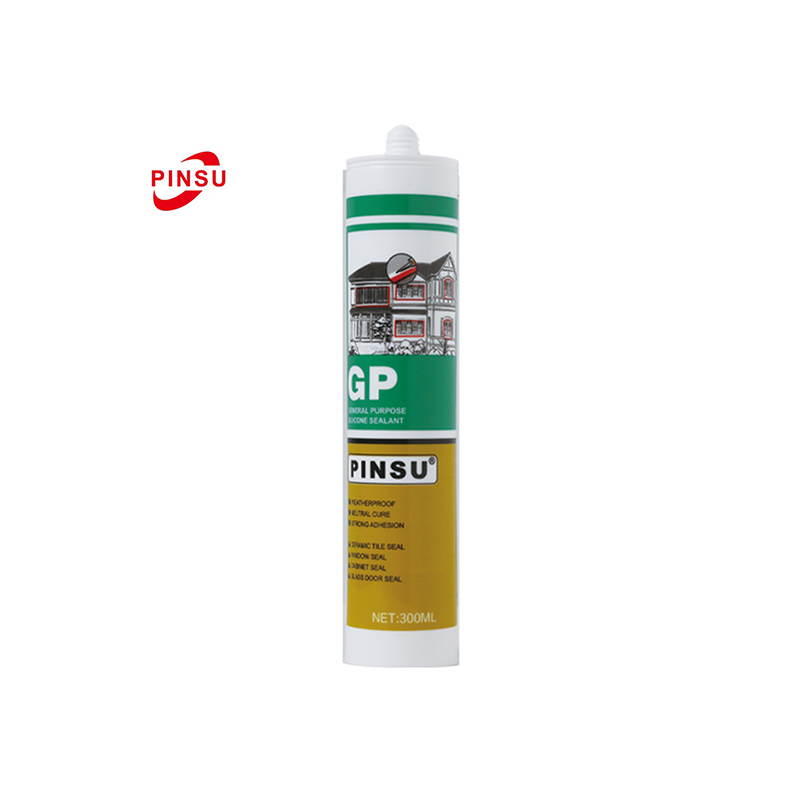
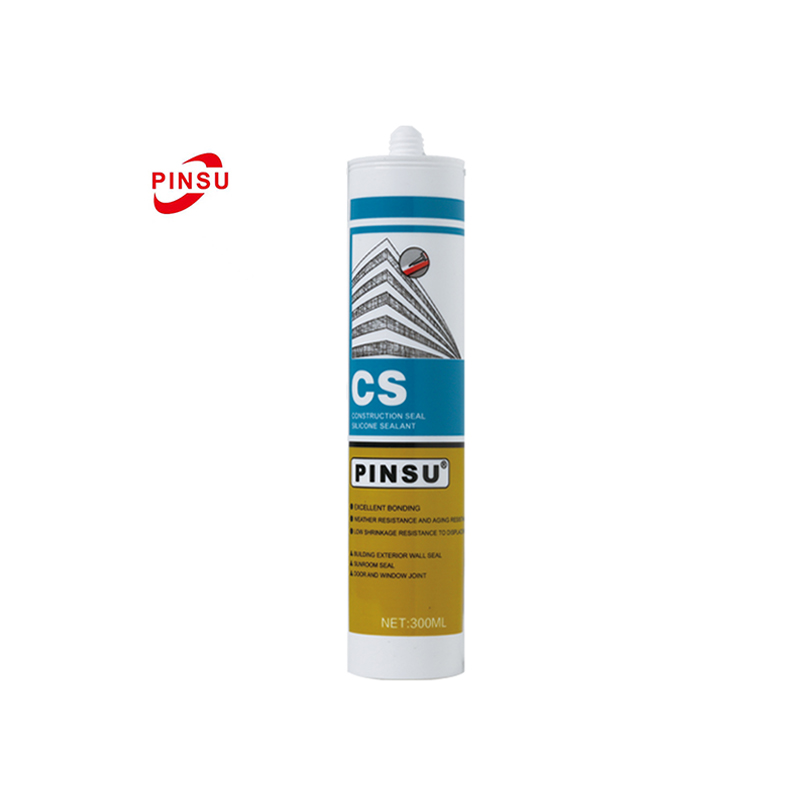
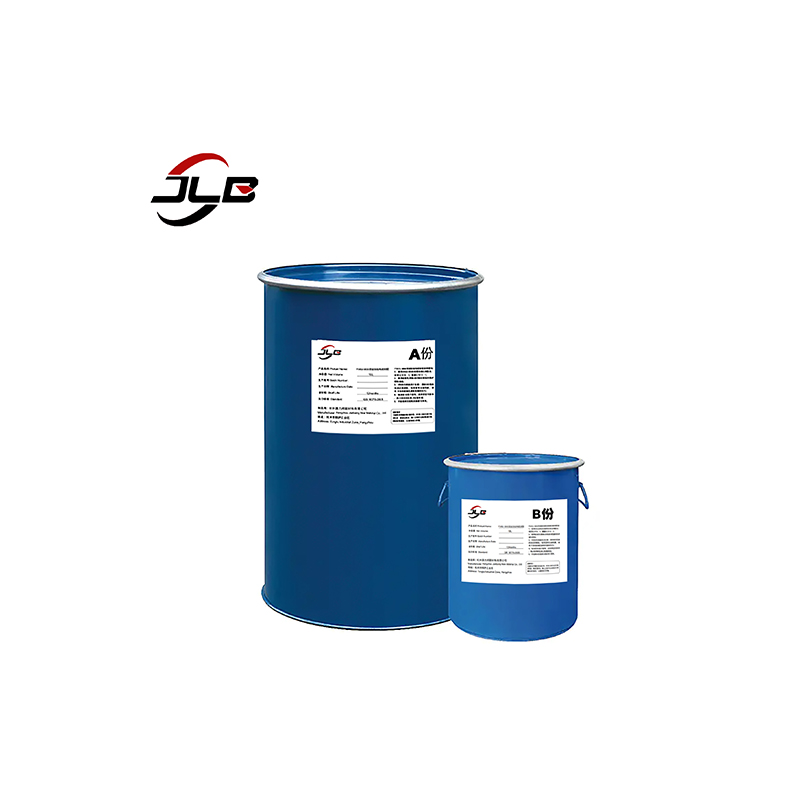
Introduction RTV (Room Temperature Vulcanizing) silicone gasket makers are among the most versatile and reliable sealing products used in both automotive and in...
READ MORE
REQUEST A QUOTE
Heat Proof Heat Resistant Industrial/Commercial Silicone Sealant Manufacturers
It is widely used in construction, industry, electronics, home furnishing, and other fields, and is suitable for various joint sealing, waterproofing, bonding, and caulking needs.
About Us
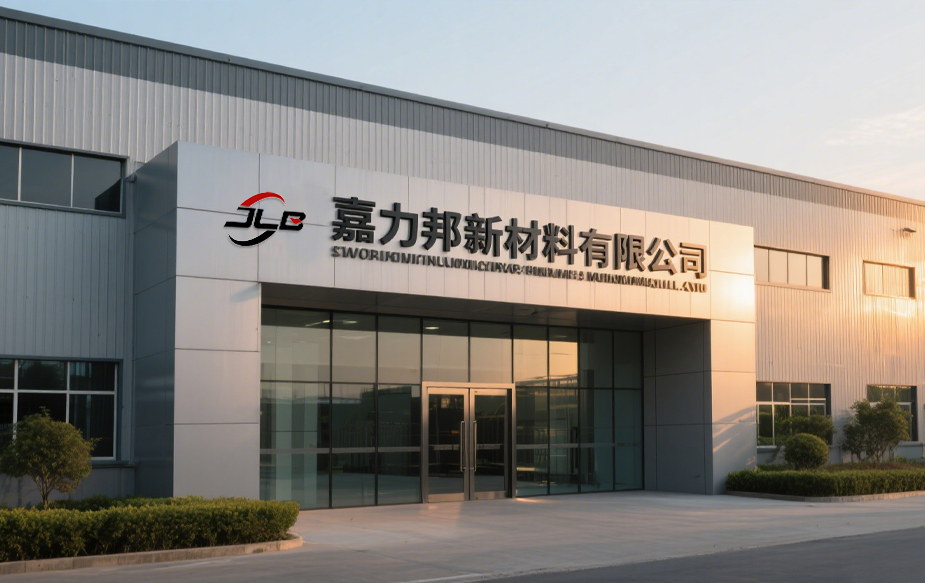
Hangzhou Jialibang New Materials Co., Ltd.
With over 20 years of experience, JIALIBANG specializes in high-performance sealants and adhesives. We are China Commercial Silicone Sealant Manufacturers and Wholesale Industrial Silicone Sealant Factory. Our product lines, including silicone sealants, RTV gasket makers, and epoxy AB glues, are trusted in construction, automotive, electronics, and PV sectors. Certified to international standards, we offer full OEM/ODM services tailored to global industrial needs.
News
-
-
Introduction In modern industry, construction, and home renovation, High-performance Sealants/Adhesives play an indispensable role. They not only provide strong...
READ MORE -
Selecting the correct joining technology for industrial assemblies is a critical decision that impacts reliability, maintenance costs, and product lifespan. Amo...
READ MORE -
Maintaining a clean and hygienic home environment often comes down to the smallest details. In areas frequently exposed to moisture, such as bathrooms and kitch...
READ MORE
Message Feedback
Silicone Sealant Industry knowledge
How to Identify and Prevent "Silicone Oil Bleeding" and Exterior Wall Pollution?
In the field of high-end building curtain walls, "silicone oil bleeding" caused by certain sealants not only affects aesthetics but can also lead to permanent damage to porous substrates like stone. Identifying and preventing this issue is a watershed moment for measuring sealant quality and corporate responsibility.
1. Identifying the Typical Characteristics of Pollution
- Oily Sheen: A translucent dark shadow spreading from both sides of the joint edges.
- Dust Adsorption: The exuded silicone oil is tacky, quickly capturing airborne dust to form black streaks that are extremely difficult to remove with conventional cleaning.
- Substrate Penetration: For porous stones like marble and granite, silicone oil penetrates the microscopic structures, causing irreversible discoloration.
2. The Core of Prevention: Formula Design
The root cause of pollution lies in the addition of cheap, non-reactive "white oil" or low-molecular-weight silicone oil as plasticizers. The key to prevention is using non-bleeding formulations.
- Chemical Bonding Technology: Ensuring all plasticizing components are chemically bonded to the main polymer chain rather than just physically filled.
- High-Purity Raw Materials: Strictly controlling molecular weight distribution to eliminate small molecular components that migrate easily.
Technical Parameter Comparison: Standard Silicone vs. Jialibang Anti-Pollution Sealant
The following data demonstrates the differences between the high-performance solutions developed by Hangzhou Jialibang New Materials Co., Ltd. and standard commercially available products:
| Testing Item | Standard Building Silicone | Jialibang Anti-Pollution Series | Industry Impact |
| Bleeding Test (ASTM C1248) | Visible oil stain diffusion | No pollution, no bleeding | Determines long-term aesthetics |
| Low Molecular Volatiles | >10% | <3% | Affects shrinkage and lifespan |
| Anti-staining Grade | Grade 3 (Easy dust pickup) | Grade 0-1 (Ultra-low adsorption) | Significantly reduces maintenance costs |
| Movement Capability | ±25% | ±50% (Ultra-high movement) | Resists wind loads on skyscrapers |
Integrating Corporate Mission: Every Seal is an Invisible Commitment
At Hangzhou Jialibang New Materials Co., Ltd., we believe that connection is not only about physical form, but also about stability, durability, and responsibility. From the wind and rain resistance of building curtain walls to the micron-level precision of automotive electronics, every "bonding" is an invisible commitment.
We leverage our automated manufacturing systems and profound R&D capabilities to develop specialized Silicone Sealant solutions for stone, aluminum panels, and composites. We do not follow the trend of using low-cost fillers; instead, we solve real-world challenges through green chemistry and low-emission manufacturing, helping our customers achieve long-term sustainable goals.
FAQ: Frequently Asked Questions About Anti-Pollution Sealants
Q1: Can a curtain wall already polluted by silicone oil be repaired by switching to high-performance sealant?
A: Switching to a high-performance sealant can stop the pollution from expanding further, but silicone oil that has already penetrated deep into stone is extremely difficult to remove. Hangzhou Jialibang New Materials Co., Ltd. recommends selecting high-standard anti-pollution solutions at the beginning of a project. We provide more than just products; we offer compatibility testing through our global service network to ensure every delivery is a fulfillment of professionalism and trust.
Q2: Why is anti-pollution silicone sealant usually more expensive than standard sealant?
A: High-performance anti-pollution sealants use high-purity crosslinkers and expensive modified polymers instead of low-cost mineral oil fillers. Hangzhou Jialibang New Materials Co., Ltd. adheres to the core concepts of "innovation, quality, and service." Investing in green chemistry reduces harmful emissions and, in the long run, significantly lowers cleaning and replacement costs, making it a more systematic and cost-effective choice.
Q3: How does your anti-pollution sealant perform under extreme temperature differences?
A: Our high-performance systems are designed for global delivery. Thanks to our deep R&D expertise, our products maintain excellent elasticity and chemical stability in extreme cold or heat. Hangzhou Jialibang New Materials Co., Ltd. supports the long-term operation of customers' projects with a highly systematic capability system, whether in building facades or precision automotive electronics.
Why Must Heat Resistance Accompany FDA or NSF Certification in Commercial Kitchens and Food Machinery?
In sealing applications for commercial kitchens, baking equipment, and food processing machinery, materials must not only withstand high temperatures above 200°C but also operate in rigorous environments involving direct or indirect contact with food. Therefore, heat resistance is not the only metric; compliance with FDA (U.S. Food and Drug Administration) or NSF (National Sanitation Foundation) certifications is the baseline for ensuring food safety.
Why Certification is Essential Alongside Heat Resistance
- Preventing Chemical Migration at High Temperatures: Standard heat-resistant sealants may release low-molecular-weight siloxanes or unreacted crosslinker by-products when heated. Without FDA certification, these chemicals could migrate into food, leading to safety incidents.
- Inhibiting Bacterial Growth and Mold: Commercial kitchen environments are humid and rich in fats and oils. Sealants complying with NSF standards typically possess excellent hydrophobicity and resistance to biofilm formation, preventing bacteria from breeding in sealed gaps.
- Chemical Inertness of Materials: FDA certification requires materials to maintain high chemical inertness in simulated food environments (such as acidic or oily conditions), ensuring the sealant layer does not decompose when exposed to fats or cleaning agents.
Technical Parameter Comparison: Industrial vs. Food-Grade Heat-Resistant Silicone Sealant
The following parameters provided by the R&D center of Hangzhou Jialibang New Materials Co., Ltd. demonstrate the requirements that compliance places on formulation design:
| Parameter | Standard Industrial Heat-Resistant Sealant | Jialibang Food/Commercial Grade Solution | Key Impact |
| Short-term Temperature Resistance | 300°C | 315°C+ | Meets high-temp commercial oven needs |
| Volatile Organic Compounds (VOC) | Higher | Extremely Low (Compliant with FDA 21 CFR 177.2600) | Prevents odor contamination of food |
| Solvent and Impurity Content | Contains small amounts of plasticizers | 100% Pure Silicone / Zero Contamination | Ensures contact safety |
| Chemical Cleaner Resistance | Average | Excellent (Resistant to strong detergents) | Adapts to high-frequency disinfection |
Integrating Corporate Mission: Every Seal is an Invisible Commitment
At Hangzhou Jialibang New Materials Co., Ltd., we believe that "connection" is not only about physical form but also about stability, durability, and responsibility. In the field of food machinery sealing, every bond is an invisible commitment.
We focus on the R&D and manufacturing of Silicone Sealant, adhering to the core concepts of "innovation, quality, and service." We do not follow trends; instead, we deeply understand the real-world working conditions and challenges our customers face in commercial kitchens and processing lines. Through our automated manufacturing system and profound material R&D capabilities, every formula delivered by Jialibang is a fulfillment of professionalism and trust, supporting our global partners in achieving sustainable development goals.
FAQ: Frequently Asked Questions About Food-Grade Heat-Resistant Sealants
Q1: Will FDA-certified sealants produce odors in high-temperature environments?
A: High-quality food-grade sealants exhibit excellent stability after curing. Hangzhou Jialibang New Materials Co., Ltd. uses high-purity raw materials and advanced automated production processes to significantly reduce volatile content. Even under continuous high temperatures, it maintains extremely low odor emission, protecting the air quality and original flavor of food in commercial kitchens.
Q2: Are all heat-resistant sealants red? Does color affect FDA compliance?
A: Not necessarily. Red color often comes from iron oxide heat stabilizers, but Hangzhou Jialibang New Materials Co., Ltd. possesses deep R&D capabilities to provide customized high-performance solutions in transparent, black, or white. All pigments used are compliant with food-contact standards, ensuring a harmony of aesthetics and safety.
Q3: How do you ensure every batch of mass-produced products meets food safety standards?
A: Quality is our lifeline. Hangzhou Jialibang New Materials Co., Ltd. possesses a highly systematic capability system where every step—from raw material procurement to final delivery—undergoes strict quality control. Through green chemistry and low-emission manufacturing, we provide not only standardized Silicone Sealant but also comprehensive, reliable solutions including technical support.
QUICK LINKS
PRODUCTS
CONTACT INFO
- +86-15306543011
- [email protected]
- Unit 5, Building B, Phase 11, Shutai Health Industry Park, Economic Development Zone, Tonglu Country, Hangzhou City, Zhejiang Province, China.
QR CODE
Copyright © 2023 Hangzhou Jialibang New Materials Co., Ltd. All Rights Reserved.
Wholesale Industrial/Commercial Silicone Sealant Manufacturers

 TOP
TOP